پرش به محتوای اصلی
OpenAI

۱۴ خرداد ۱۴۰۵

تحقیقمحصولانتشار

بنیادی قوی‌تر برای حافظهٔ ChatGPT

بهبود سنتز حافظه در ChatGPT برای بهینه‌سازی تازگی، پیوستگی و ارتباط.

در حال بارگذاری…

امروز عرضهٔ تدریجی سامانه‌ای توانمندتر و مقیاس‌پذیرتر برای سنتز حافظه را آغاز می‌کنیم؛ سامانه‌ای که برای حل چالش‌های کهنگی، درستی و مقیاس‌پذیری ساخته شده است، چالش‌هایی که وقتی حافظه برای صدها میلیون کاربر و افق‌های زمانی چندساله در ChatGPT به کار می‌رود مشاهده می‌کنیم.

حافظه همان چیزی است که به ChatGPT کمک می‌کند ترجیحات، پروژه‌ها و محدودیت‌های شما را یاد بگیرد تا گفت‌وگوهای آینده به‌جای شروع از صفر، از زمینه‌ای مشترک آغاز شوند.

در دو سال گذشته، حافظه به بخشی حیاتی از تجربهٔ ChatGPT تبدیل شده است و به ChatGPT کمک می‌کند زمینهٔ شما را بهتر بفهمد تا در طول زمان شما را در رسیدن به هدف‌های معنادار یاری کند. این موضوع برای مفیدتر کردن ChatGPT محوری است: شناختن شما، کمک کردن به شما و انجام کارهای بیشتر برای شما.

این به‌روز رسانی از امروز برای کاربران Plus و Pro در ایالات متحده در دسترس است و طی هفته‌های آینده در کشورهای دیگر و برای کاربران Free و Go نیز عرضه خواهد شد.

حافظه چگونه تکامل یافته است

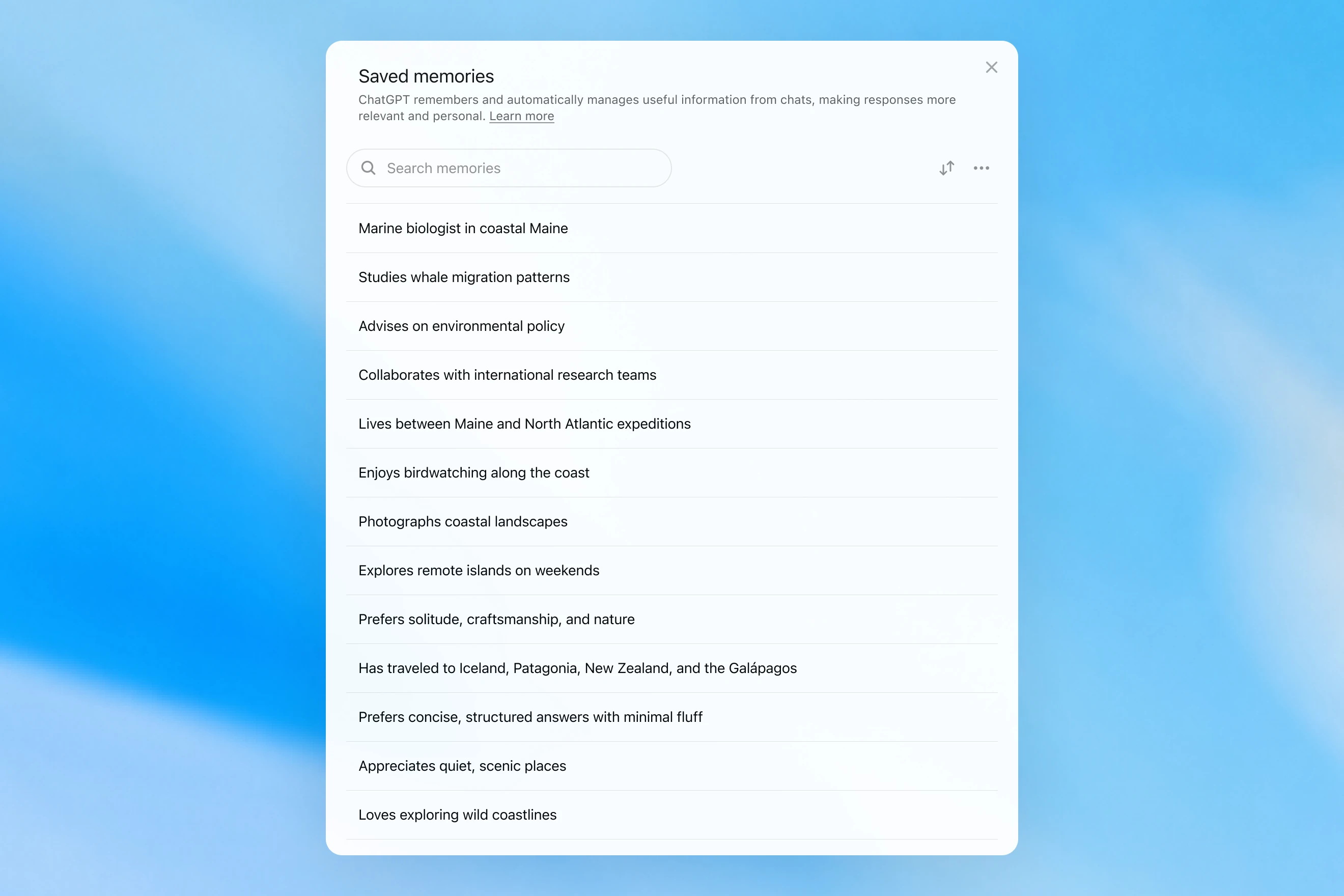
حافظه نخستین‌بار در آوریل ۲۰۲۴ عرضه شد (که با نام حافظه‌های ذخیره‌شده نیز شناخته می‌شود). این ویژگی به شما اجازه می‌داد از ChatGPT بخواهید اطلاعاتی را به خاطر بسپارد و آن را به چت‌های آینده منتقل کند.

Saved memories modal showing a searchable list of personal details, including work, interests, travel, and response preferences.

حافظه‌های ذخیره‌شده فقط هنگام گفتگو نوشته می‌شدند و برای تصمیم‌گیری دربارهٔ زمان فعال‌سازی حافظه به نشانه‌های قوی متکی بودند، مانند دستور «یادت باشد من در ژوئیه به سنگاپور سفر می‌کنم.» در عمل، تعامل با این سامانه می‌توانست شبیه صحبت کردن با کسی باشد که چند یادداشت برداشته، اما هنوز هر چیزی را که نوشته نشده بود فراموش می‌کرد. حافظه‌های ذخیره‌شده همچنین با گذشت زمان معمولاً کهنه می‌شوند و در نهایت نادرست یا نامرتبط می‌گردند.

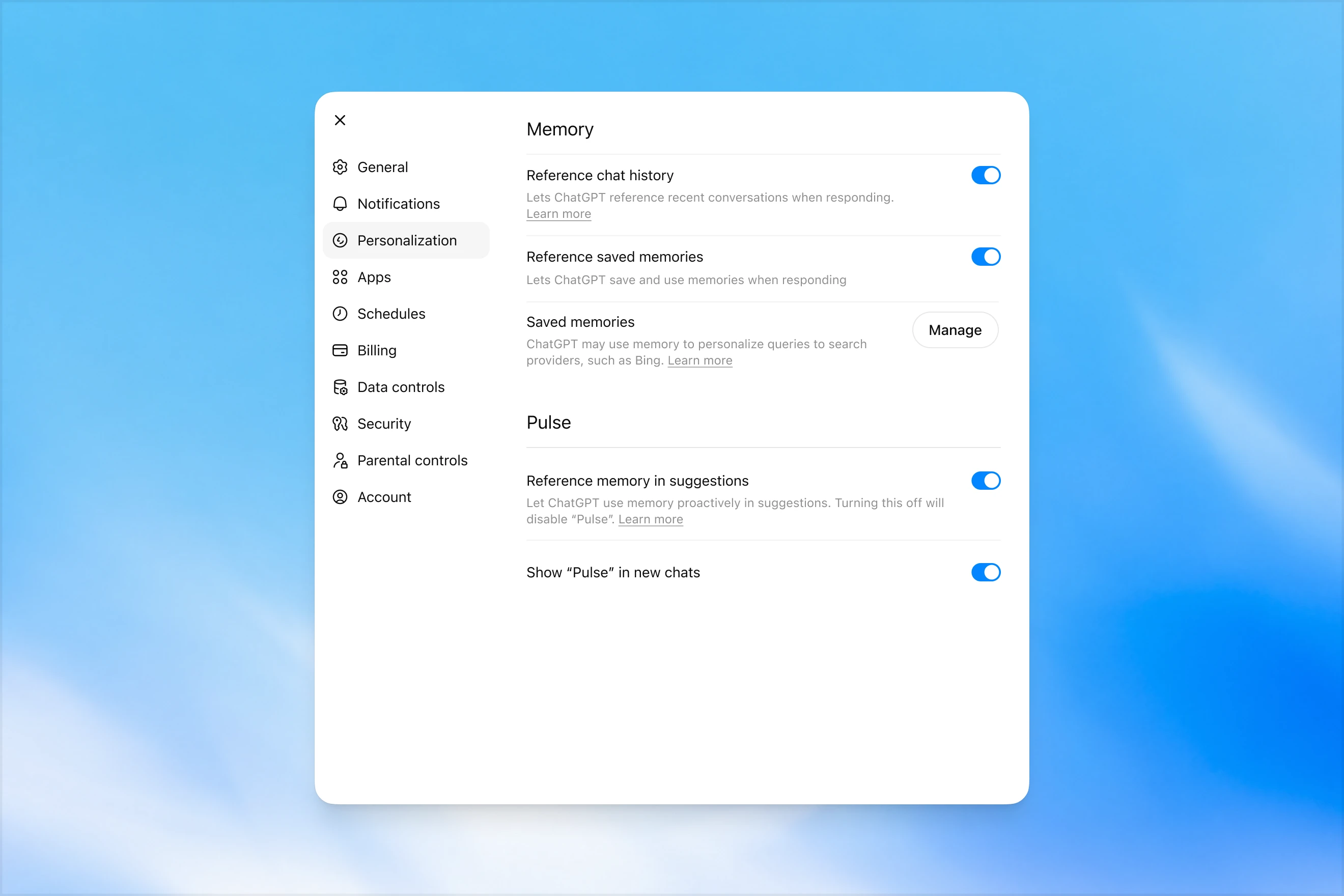
در آوریل ۲۰۲۵، حافظهٔ ChatGPT را به‌روزرسانی کردیم و به مدل توانایی دادیم که به زمینهٔ چت بیرون از فهرست حافظه‌های ذخیره‌شده ارجاع دهد؛ این کار با معرفی نخستین نسخهٔ رؤیا پردازی انجام شد—روشی برای اینکه ChatGPT با ارجاع به تاریخچهٔ چت، حافظه‌ها را در پس‌زمینه به‌طور خودکار سامان‌دهی کند.

Memory settings page in ChatGPT showing options to reference chat history, use saved memories, manage saved memories, and enable Pulse memory suggestions.

برخلاف حافظه‌های ذخیره‌شده، رؤیا پردازی از فرآیندی پس‌زمینه بهره می‌گیرد که به ChatGPT امکان می‌دهد از گفت‌وگوهای متعدد یاد بگیرد و وضعیت حافظهٔ ChatGPT را سنتز کند تا همیشه تازه‌ترین و مرتبط‌ترین زمینه را برای گفتگوهای شما فراهم کند. رؤیاپردازی همچنین باعث می‌شود حافظه آسان‌تر بتواند زمینه‌ای را که به‌طور طبیعی در گفت‌وگو رخ می‌دهد در بر بگیرد، بدون اینکه به درخواست‌های صریح برای به خاطر سپردن چیزی متکی باشد.

در سال گذشته، رؤیا پردازی حافظه‌های ذخیره‌شده را تکمیل کرد تا جهشی چشمگیر در توانایی ChatGPT برای شخصی‌سازی پاسخ‌ها و جبران کهنگی حافظه‌های ذخیره‌شده ایجاد کند. با این حال، در گذشته هرگز به‌تنهایی به‌عنوان یک سامانهٔ حافظه کافی نبود.

امروز، معماری حافظه‌ای بسیار توانمندتر و از نظر محاسباتی کارآمدتر را عرضه می‌کنیم که بر پایهٔ رؤیا پردازی ساخته شده است.

حافظه‌هایی که با رؤیا پردازی سنتز می‌شوند، از طریق خلاصه‌ای از آن‌ها که در صفحهٔ خلاصهٔ حافظه نمایش داده می‌شود قابل بازبینی هستند. از خلاصهٔ حافظه می‌توانید به‌سرعت نکات برجستهٔ آنچه ChatGPT دربارهٔ شما می‌داند را دریابید، اطلاعاتی دربارهٔ خودتان اضافه یا به‌روزرسانی کنید و دستور دهید ChatGPT چه موضوع‌هایی را چه زمانی مطرح کند. اگر می‌خواهید در حوزهٔ خاصی عمیق‌تر شوید و بیشتر بدانید، کافی است با مدل چت کنید.
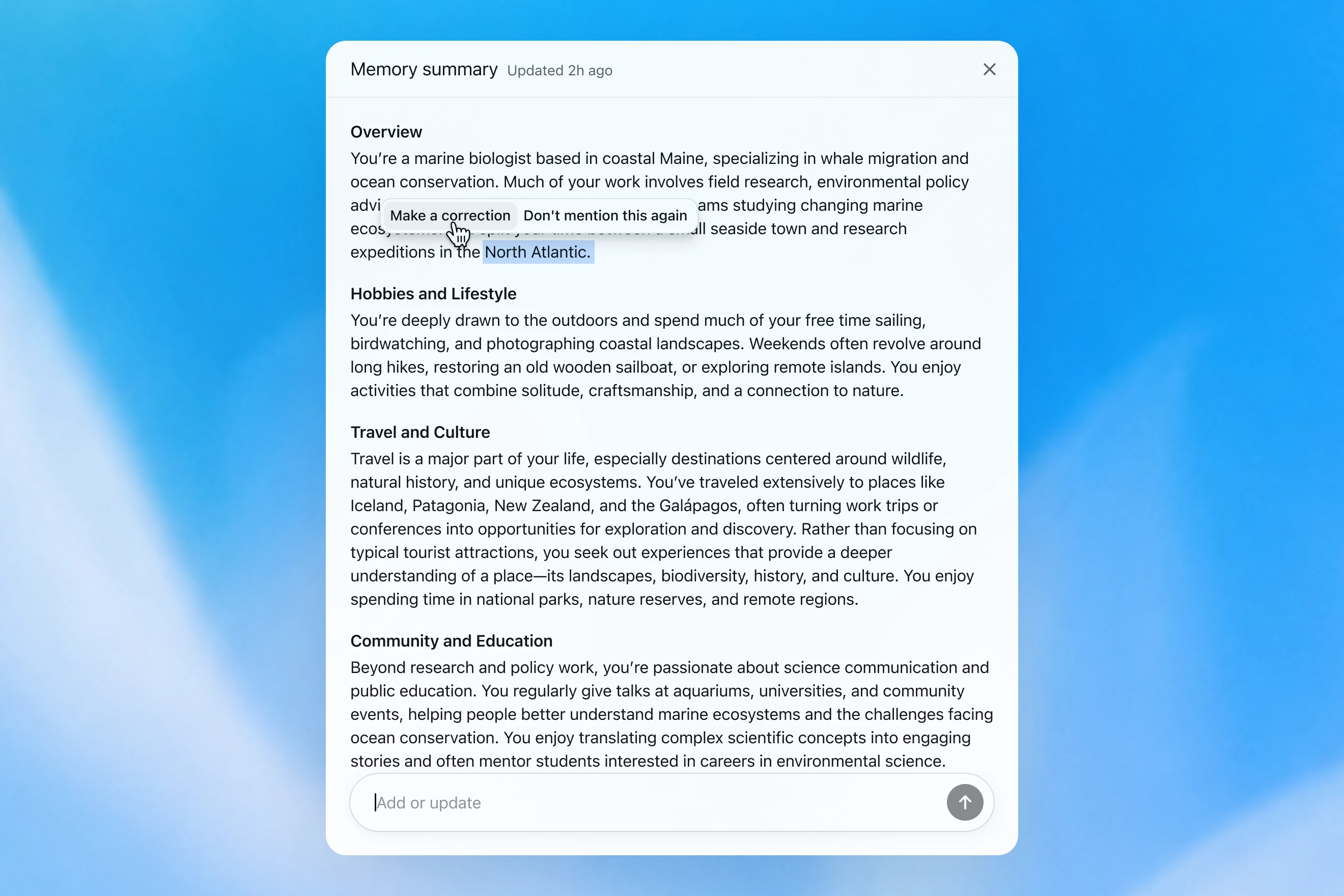
Memory summary modal showing a personalized overview of a user’s work, hobbies, travel interests, and community involvement, with options to correct or dismiss specific details.

چگونه حافظه را ارزیابی می‌کنیم

وقتی به این فکر می‌کنیم که «حافظهٔ خوب» در ChatGPT چه شکلی دارد، چند مسئله به ذهن می‌رسد:

  1. انتقال زمینهٔ مفید: شما یک‌بار چیزی را به ChatGPT می‌گویید و او آن اطلاعات را در چت‌های بعدی شما به خاطر می‌سپارد.
  2. پیروی از ترجیحات و محدودیت‌ها: اگر ترجیحی را توضیح دهید (مثلاً اینکه گیاه خوار هستید)، ChatGPT باید از آن پس اقداماتی انجام دهد که با آن ترجیح سازگار باشد.
  3. به‌روز ماندن در طول زمان: حافظه باید گذر زمان را در نظر بگیرد. تصور کنید «کاربر در حال برنامه‌ریزی جشن تولدش برای شنبهٔ آینده است»؛ سرانجام یکشنبه فرا می‌رسد.

می‌توانیم ارزیابی کنیم که حافظهٔ ChatGPT Plus و Pro در طول زمان، نسبت به هر یک از سه هدف حافظه در بالا، چگونه بهبود یافته است. این کار را برای هر یک از موارد زیر انجام می‌دهیم:

  1. ۲۰۲۴: حافظه‌های ذخیره‌شده
  2. ۲۰۲۵: حافظه‌های ذخیره‌شده + Dreaming V0
  3. ۲۰۲۶: Dreaming V3

انتقال زمینه به آینده

وقتی چت جدیدی با ChatGPT شروع می‌کنید، لازم نیست خودتان را از صفر معرفی کنید. ChatGPT می‌تواند در زمان شما صرفه‌جویی کند و بر زمینهٔ قبلی بنا کند، به‌ویژه برای پروژه‌های پیچیده و بلند مدت.

برای مثال، تصور کنید از ChatGPT برای خرید تجهیزات دوربین جدیدی استفاده می‌کنید که با دوربین فعلی شما سازگار باشد. اگر در گذشته دربارهٔ چیدمان دوربین خود با ChatGPT صحبت کرده باشید، می‌توانید محصولاتی را بخواهید که با «چیدمان عکاسی من» سازگارند و پیشنهادهای شخصی‌سازی‌شده‌ای دریافت کنید که نیازهای شما را برآورده می‌کنند.

GPT-5.2 Instant

What would I need to buy to use TTL for my underwater photography setup?

To use TTL flash underwater, you need a compatible chain from camera → housing/trigger → cable → strobe. What you buy depends mostly on whether your setup uses fiber-optic TTL or electrical TTL.

Basic shopping checklist

  • TTL-capable underwater strobe
    Look for strobes that support your TTL type, such as Inon S-TTL, Sea & Sea DS-TTL, Ikelite DS TTL, or compatible Backscatter/Nauticam systems. TTL has to be supported by the strobe, not just the camera.
  • TTL trigger or TTL converter
    This is the key piece. It translates your camera’s flash metering into something the underwater strobe can understand. Examples include Nauticam optical TTL converters, Sea & Sea TTL converters, Backscatter Smart Control optical TTL triggers, or Ikelite DS Link TTL converters, depending on housing and camera brand. Backscatter notes that Nauticam optical TTL converters can work with fiber-optic-connected Inon and Sea & Sea TTL strobes, while Ikelite’s DS Link converters are made around Ikelite DS strobes and electrical sync setups. (Backscatter.com(در یک پنجره جدید باز می‌شود))
  • Connection cable
    For fiber optic TTL, buy one fiber optic cable per strobe. Ikelite’s fiber-optic guide says each strobe needs its own light path, converter/adapter, and cord. (Ikelite(در یک پنجره جدید باز می‌شود))
    For
    electrical TTL, buy the correct sync cord, such as Ikelite-style, Nikonos 5-pin, or housing-specific bulkhead cable.
  • Housing compatibility parts
    You may need a hot-shoe adapter, bulkhead, fiber optic window/adapter, or housing-specific TTL board. Many TTL triggers mount inside the housing on the camera hot shoe.
  • Strobe arms, clamps, tray, and mounting hardware
    TTL controls exposure, but you still need to physically mount and aim the strobes.
  • Batteries and spares
    Bring strobe batteries, trigger batteries if required, spare fiber optic cables or sync cord O-rings, and silicone grease for serviceable O-rings.

Which route should you choose?

Fiber optic TTL is usually easiest if your housing has optical ports or can use the camera’s pop-up flash/LED trigger. It is common with compact, mirrorless, Nauticam, Sea & Sea, AOI, and Olympus/OM TG-style setups.

Electrical TTL is often best if you use Ikelite DS strobes or an Ikelite-style housing/bulkhead. Ikelite says its DS Link TTL converters are faster and more reliable than fiber-optic TTL triggers, and they do not require batteries. (Backscatter.com(در یک پنجره جدید باز می‌شود))

The compatibility rule

You need all three to match:

camera brand/protocol + housing/trigger type + strobe TTL system

For example:

  • Sony camera + Nauticam housing + optical TTL trigger + Inon/Sea & Sea-compatible fiber optic strobe
  • Nikon/Canon/Sony camera + Ikelite housing/bulkhead + Ikelite DS Link TTL converter + Ikelite DS strobe
  • Compact camera with built-in flash + fiber optic cable + S-TTL/DS-TTL-capable strobe

So the practical answer is: buy a TTL-compatible strobe, the correct TTL trigger/converter for your camera and housing, and the right fiber optic or electrical sync cable. The exact part numbers depend on your camera, housing, and strobe model.

مدل پاسخی عمومی تولید می‌کند که کاربر را وامی‌گذارد بررسی‌های پیچیدهٔ سازگاری را خودش انجام دهد.

GPT-5.3 Instant

What would I need to buy to use TTL for my underwater photography setup?

I’ll verify this against your actual setup: Sony A1 II in Nauticam NA-A1II, with Backscatter Mini Flash 3 and Inon Z-330 strobes. The key question is whether you want TTL with the Mini Flash 3, the Z-330s, or both.

For your setupSony A1 II + Nauticam NA-A1II + Backscatter Mini Flash 3 + Inon Z-330 — there are two different TTL paths:

Best buy for Mini Flash 3 TTL

Buy:

Backscatter Smart Control TTL LED Nauticam Flash Trigger for Sony
SKU: BS-TR-SN2

Backscatter lists it as custom-designed for Nauticam full-frame Sony housings, TTL-compatible with Mini Flash 3, and the NA-A1II housing page offers it as the “Backscatter Smart Control TTL Flash Trigger” option. (Backscatter.com(در یک پنجره جدید باز می‌شود))

You’d use normal optical fiber cables from the housing to the Mini Flash 3. On the MF-3, you’d use SC or SC Macro mode; Backscatter says SC / SC Macro are the TTL modes for Mini Flash 3, with SC Macro specifically tuned for close macro work. (Backscatter.com(در یک پنجره جدید باز می‌شود))

For Inon Z-330 TTL

For the Inon Z-330, the relevant unit is:

UW Technics 11075-HSS TTL Converter for Sony / Nauticam

UW Technics explicitly lists Inon Z-330 as a compatible TTL strobe and supports optical TTL output. (UWTechnics(در یک پنجره جدید باز می‌شود))

But I would not buy this for Mini Flash 3 TTL. Backscatter’s own UW Technics listing says Backscatter strobes are manual / HSS only on that converter, while the Backscatter Smart Control trigger is the one listed for Sony TTL with the Mini Flash 3. (Backscatter.com(در یک پنجره جدید باز می‌شود))

Practical recommendation

Since you shoot macro and have the Mini Flash 3, I’d buy the Backscatter Smart Control TTL LED Nauticam Flash Trigger for Sony — BS-TR-SN2.

The catch: there probably is no single trigger that gives true TTL for both the Mini Flash 3 and Inon Z-330 at the same time. The Backscatter trigger is the right TTL solution for the MF-3; the UW Technics converter is the right TTL solution for the Z-330. So choose based on which strobe you actually want TTL for.

For your use case, I’d prioritize Mini Flash 3 TTL / SC Macro and treat the Z-330s as manual when needed.

مدل چیدمان دوربین کاربر را به خاطر می‌سپارد و محصولی سازگار پیشنهاد می‌کند.

GPT‑5.2 Instant در نهایت به پرسش پاسخ می‌دهد، اما در تلاش برای توضیح مرزهای ایمنی خود، با مقدمه‌ای طولانی درباره اینکه در چه مواردی نمی‌تواند کمک کند آغاز می‌کند. در مقابل، GPT‑5.3 Instant مستقیماً وارد پاسخ‌گویی می‌شود.

می‌توانیم از نمونه‌هایی شبیه این، یک ارزیابی بسازیم که در آن از مدل خواسته می‌شود به اعلانی پاسخ دهد که نیازمند یادآوری اطلاعات واقعی دربارهٔ کاربر است. سپس اگر مدل به‌گونه‌ای پاسخ دهد که زمینهٔ مرتبط را درست به کار ببرد، پاداش می‌گیرد. در این ارزیابی، سامانهٔ جدید مبتنی بر رؤیا پردازی توانایی مدل را در یادآوری واقعیت‌های مرتبط بهبود می‌دهد.

پیروی از ترجیحات

حافظه همچنین به ChatGPT کمک می‌کند به شیوه‌هایی پاسخ دهد که با ترجیحات و محدودیت‌های شما بهتر همخوان است.

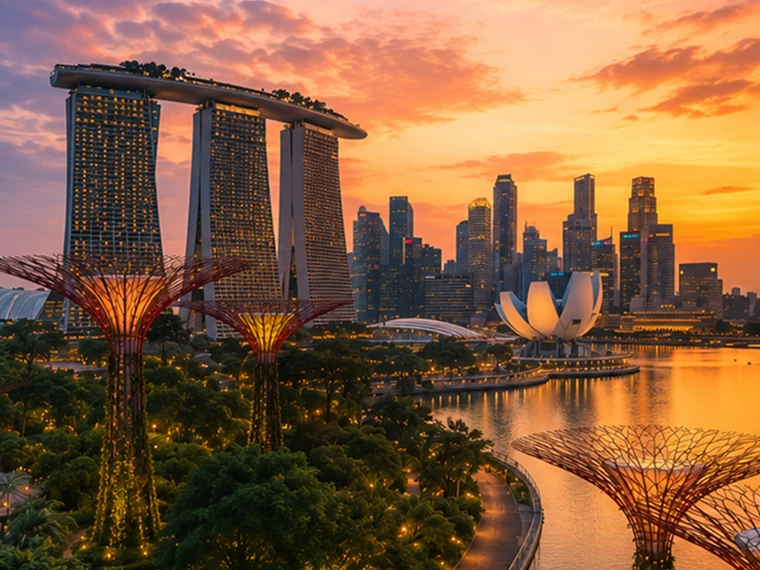
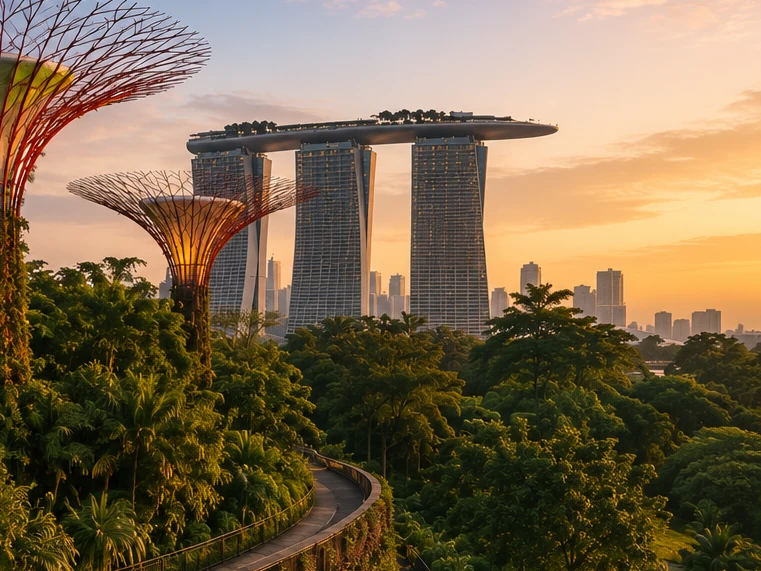
تصور کنید در حال برنامه‌ریزی سفری به سنگاپور هستید. دو ماه پیش از سفر، از ChatGPT می‌خواهید در برنامهٔ سفر کمک کند. ChatGPT از برنامه‌ریزی‌های سفر قبلی از پیش می‌داند که شما به عکاسی از حیات‌وحش علاقه دارید، هتل‌هایی با تهویهٔ مطبوع قوی را ترجیح می‌دهید و شام آرام را به یک بار شلوغ ترجیح می‌دهید.

GPT-5.2 Instant

Help me plan a trip to Singapore. I'm going to be there for a work trip in July and will have a few days free at the end.

Great add-on city for a work trip: Singapore is compact, safe, excellent for solo exploring, and easy to do in 2–4 free days. July is hot and humid; expect daytime highs around 31–33°C / 88–91°F, warm nights, and sudden rain, so plan outdoor time early morning or after 5 p.m. and keep midday for museums, malls, cafés, or hotel downtime. Singapore’s official weather service notes typical daily highs of 31–33°C and lows of 23–25°C. (Singapore Weather Service(در یک پنجره جدید باز می‌شود))

memory-preferences-without

A strong 3-day plan

Day 1: Marina Bay, Gardens, and skyline

Start late afternoon at Marina Bay and walk the waterfront: Merlion Park, Helix Bridge, ArtScience Museum exterior, then into Gardens by the Bay. Book Cloud Forest, Flower Dome, and either the OCBC Skyway or Supertree Observatory if views matter to you. Gardens by the Bay lists Cloud Forest and Flower Dome as open daily 9 a.m.–9 p.m.; Supertree Observatory is also listed as 9 a.m.–9 p.m. with last admission at 8:30 p.m., but check maintenance closures before booking. (Gardens by the Bay(در یک پنجره جدید باز می‌شود))

Evening: stay for the Supertree light show area, then dinner at Lau Pa Sat for an easy first-night hawker experience near the CBD. It has 80+ stalls and local staples like satay, laksa, nasi lemak, bak kut teh, kaya toast, and char kway teow. (Laupasat(در یک پنجره جدید باز می‌شود))

Day 2: Culture neighborhoods and food

Morning: Chinatown. Visit Buddha Tooth Relic Temple, walk the shophouse streets, and eat at Maxwell Food Centre or Chinatown Complex Food Centre. Visit Singapore lists Maxwell, Chinatown Complex, Old Airport Road, Tiong Bahru Market, Newton, and others among popular hawker centres. (Visit Singapore(در یک پنجره جدید باز می‌شود))

Afternoon: Kampong Glam and Haji Lane for Sultan Mosque, murals, boutiques, and cafés. Then head to Little India around golden hour for temples, flower garlands, Tekka Centre, and dinner.

Evening: either cocktails around Ann Siang / Club Street, or keep it low-key with a night walk along the Singapore River: Boat Quay to Clarke Quay to Robertson Quay.

Day 3: Nature or beach day

Pick one based on your energy.

For nature: do Singapore Botanic Gardens early, then the National Orchid Garden, followed by lunch in Dempsey Hill or Tiong Bahru. This is the best “green Singapore” day without leaving the city.

For beach/resort mode: go to Sentosa. Choose the southern beaches, Fort Siloso Skywalk, or a beach club. I would skip trying to do every Sentosa attraction unless you love theme parks.

For local food focus: do Tiong Bahru Market for breakfast, National Gallery Singapore midday, then Old Airport Road Food Centre for dinner. The official events page also shows exhibitions and cultural events, so it is worth checking once your exact July dates are fixed. (Visit Singapore(در یک پنجره جدید باز می‌شود))

Best places to stay after the work part

Marina Bay / CBD is easiest if you want polished, walkable, skyline-heavy Singapore and minimal transit.

Chinatown / Telok Ayer / Tanjong Pagar is my top pick for a few free days: great food, MRT access, heritage streets, cocktail bars, and close to work districts.

Bugis / Kampong Glam is better if you want boutique hotels, cafés, street art, and a slightly more relaxed neighborhood feel.

Orchard is convenient for shopping and rainy-day malls, but less atmospheric.

What to book ahead

Book Gardens by the Bay conservatories/Skyway, any special restaurants, and possibly a cocktail bar. For hawker centres, do not over-plan; just go hungry, carry tissues or wet wipes, and be ready to share tables.

July packing notes

Bring breathable work clothes, comfortable walking shoes, a small umbrella, and a light layer for aggressive air-conditioning. I would also plan one “rain-flexible” indoor block each day, because showers can arrive suddenly even when the forecast looks fine.

My suggested balance: Day 1 Marina Bay/Gardens, Day 2 Chinatown–Kampong Glam–Little India, Day 3 Botanic Gardens or Sentosa. That gives you the Singapore highlights without turning your post-work break into another work project.

مدل پاسخی عمومی تولید می‌کند که توریستی‌تر است، به رزرو هتل کمکی نمی‌کند و تا حد زیادی علایق کاربر را نادیده می‌گیرد.

GPT-5.3 Instant

Help me plan a trip to Singapore. I'm going to be there for a work trip in July and will have a few days free at the end.

I’ll build this around your known constraints: a few free days after work, hot/humid July weather, wildlife/photography/nature bias, strong AC needs for sleep, and good but not overly social dining. I’ll verify current July logistics and then give a practical short itinerary rather than a generic Singapore list.

memory-preferences-with

Here’s how I’d structure it: 2–3 free days, mostly nature / wildlife / photography, with heat-managed mornings and AC breaks. July is hot and humid: Singapore’s July long-term stats are about 31.4°C / 88.5°F average daily max, 25.4°C / 77.7°F min, 146.6 mm rain, and 14 rain days, so outdoor plans should be early morning or evening, not midday. (National Environment Agency(در یک پنجره جدید باز می‌شود))

Best plan for 3 free days

Day 1 — Gardens by the Bay + Marina Bay, low-friction

Morning: Cloud Forest + Flower Dome. This is the obvious “touristy” pick, but it fits you well because it’s visually interesting, good for photography, and climate-controlled. Gardens by the Bay lists Cloud Forest and Flower Dome-type attractions running 9:00am–9:00pm, and Cloud Forest currently has the Jurassic World experience listed as ongoing. (Gardens by the Bay(در یک پنجره جدید باز می‌شود))

Late afternoon / evening: Supertree Grove + Borealis / light show. Gardens currently lists Borealis every Sat, Sun & Mon, 8:00–8:30pm at Supertree Grove, so try to align this with one of those nights. (Gardens by the Bay(در یک پنجره جدید باز می‌شود))

Dinner: do something easy nearby: Marina Bay / Tanjong Pagar / Telok Ayer. For you, I’d prioritize reservation-based restaurants with real tables over hawker centers on the first night, because you dislike cramped solo seating.

Day 2 — Mandai wildlife day

Morning to afternoon: Bird Paradise + River Wonders. Bird Paradise is probably the best fit photographically; River Wonders is less “wildlife photography” and more controlled exhibits, but it pairs well logistically. River Wonders is listed as daily 9:00am–6:00pm, last entry 5:00pm. (Mandai Wildlife Reserve(در یک پنجره جدید باز می‌شود))

Evening: Night Safari. This is the rare Singapore attraction that is genuinely better at night and avoids the worst heat. Night Safari is listed as daily 6:00pm–12:00am, last entry 11:15pm, with tram plus walking trails and over 900 nocturnal animals. (Mandai Wildlife Reserve(در یک پنجره جدید باز می‌شود))

This is a full day. I would not add Singapore Zoo unless you have 4 free days; Mandai can become exhausting fast.

Day 3 — Nature reserve / macro-ish walking + food

Early morning: Singapore Botanic Gardens or MacRitchie / Windsor Nature Park. For a few free days, Botanic Gardens is the safer pick: easier transport, less sweaty, better bailout options, and more consistent casual photography. MacRitchie / Windsor is better if you want more actual forest, but it is hotter, sweatier, and less predictable.

Midday: AC break.

Late afternoon: Joo Chiat / Katong or Chinatown / Telok Ayer for walking, architecture, coffee, and dinner. This gives you a different texture from Marina Bay without turning the day into a logistics project.

My ranking for you

  1. Cloud Forest / Gardens by the Bay — best combination of photogenic, iconic, heat-managed.
  2. Bird Paradise + Night Safari — best wildlife-focused day.
  3. Botanic Gardens early morning — best low-stress outdoor nature.
  4. Joo Chiat / Katong — best neighborhood walk.
  5. Hawker centers — worth doing, but not ideal for your seating preferences unless timed off-peak.

What I’d avoid or deprioritize

I would skip Sentosa unless you specifically want beach/resort stuff. I would also skip a packed “greatest hits” day of Merlion / Orchard / Little India / Chinatown / Clarke Quay; it’s inefficient and hot. For you, the trip will be better if each day has one strong anchor plus one easy evening plan.

Hotel / sleep note

Since this is a work trip, your hotel may be fixed. If you can choose or extend at the same hotel, the hard gate is still AC. Singapore hotels are generally AC-heavy, but your requirement is unusually strict.

One thing I need to make this concrete

Send the exact free dates and whether your work hotel is fixed. Then I’d turn this into a day-by-day plan with restaurant targets and a hotel/AC callout.

مدل پاسخی تولید می‌کند که با علایق کاربر به عکاسی از حیات‌وحش، شام‌های آرام و اولویت‌های او هنگام رزرو هتل شخصی‌سازی شده است.

GPT‑5.2 Instant در نهایت به پرسش پاسخ می‌دهد، اما در تلاش برای توضیح مرزهای ایمنی خود، با مقدمه‌ای طولانی درباره اینکه در چه مواردی نمی‌تواند کمک کند آغاز می‌کند. در مقابل، GPT‑5.3 Instant مستقیماً وارد پاسخ‌گویی می‌شود.

ترجیحات می‌توانند چند شکل داشته باشند:

  1. دستورالعمل‌هایی برای اینکه ChatGPT چگونه پاسخ دهد («دیگر از Stan حرف نزن»).
  2. ترجیحات یا محدودیت‌های شخصی شما («من گیاه خوارم»)
  3. ترجیحات ضمنی که تعیین می‌کنند چه چیزی برای شما مرتبط است («من نزدیک سانفرانسیسکو زندگی می‌کنم» ← گزینه‌های محلی باید متناسب با این منطقه تنظیم شوند)

در توسعهٔ سامانهٔ جدید حافظه، توانایی ChatGPT را برای به‌کارگیری ترجیحات مرتبط از گفتگوهای گذشته بهبود دادیم. با پیروی از مثال «من گیاه خوارم» در بالا، می‌توانیم ارزیابی کنیم که آیا مدل، وقتی کاربر گیاه خوار پیشنهادهایی برای آماده‌سازی وعده‌های غذایی می‌خواهد، حافظه را درست به کار می‌گیرد تا گزینه‌های غذایی مناسب گیاه خواران تولید کند یا نه.

به‌روز ماندن در طول زمان

زمان وقتی چت شما تمام می‌شود متوقف نمی‌شود.

سامانه‌های سنتی حافظه می‌توانند کهنه شوند. برای مثال، به ChatGPT می‌گویید «من در سنگاپور هستم و برای امشب پیشنهاد شام می‌خواهم.» سپس زمان می‌گذرد، سفر شما تمام می‌شود و تعجب می‌کنید که چرا ChatGPT هنوز فکر می‌کند در سنگاپور هستید.

با رؤیا پردازی، حافظه‌ها با گذشت زمان به‌طور خودکار به‌روزرسانی می‌شوند و به ChatGPT امکان می‌دهند وقتی سفر تمام می‌شود حافظه‌اش را از «شما در ژوئیه به سنگاپور می‌روید» به «شما در ژوئیهٔ ۲۰۲۶ به سنگاپور رفتید» بازنگری کند. سپس، وقتی به خانه برمی‌گردید، ChatGPT دوباره می‌تواند پیشنهادهایی ارائه دهد که متناسب با محل زندگی و منطقهٔ زمانی شما هستند.

GPT-5.2 Instant

Help me find something for take-out tonight that's still open.

It’s about 5:19 AM Sunday in Singapore, so your safest take-out/delivery bets are 24-hour places.

Best bets right now:

  1. McDelivery / McDonald’s Singapore — easiest islandwide option; McDonald’s says McDelivery is available 24 hours, 7 days a week. Breakfast menu should be on now. (McDonald's Singapore(در یک پنجره جدید باز می‌شود))
  2. Srisun Express — good for prata, Indian Muslim food, local comfort food; their site says they’re halal-certified and open 24/7. (Sri Sun Express(در یک پنجره جدید باز می‌شود))
  3. 89.7 Supper Club — good if you’re near Changi Village or Geylang East; their outlets page says both locations are open 24 hours, 7 days a week. (89.7 Supper Club(در یک پنجره جدید باز می‌شود))
  4. 126 Dim Sum Wen Dao Shi — worth checking on GrabFood/foodpanda if you’re in the East; a 2025 guide says it runs till 5:30 AM on weekdays and round-the-clock on weekends. Since it’s Sunday morning, it may still be available. (Eatbook(در یک پنجره جدید باز می‌شود))
  5. Prata around Geylang / Serangoon / Bedok / Jalan Kayu — look in GrabFood or Google Maps for “prata open now”; guides list multiple 24-hour prata/supper spots, including Mufiz Prata Corner and RK Eating House. (Eatbook(در یک پنجره جدید باز می‌شود))

For the fastest path: open GrabFood / foodpanda / Deliveroo, set filter to Open now, then search “prata,” “McDonald’s,” “Srisun,” “89.7,” “dim sum,” or “nasi lemak.” If you tell me your neighborhood or nearest MRT, I’ll narrow it to specific nearby places.

مدل فکر می‌کند کاربر هنوز در سنگاپور است.

GPT-5.3 Instant

Help me find something for take-out tonight that's still open.

I’ll use Portola Valley / Ladera as the starting point and prioritize places that are plausibly open for takeout tonight, then narrow to low-friction options rather than a huge list.

For tonight, Saturday May 30, near Ladera / Portola Valley, I’d start here:

  1. Alpine Inn — safest casual pickup option. Open Saturday until 9:30 pm and has Order Takeout on its site. Good for burgers / tavern food. (Rossotti's Alpine Inn(در یک پنجره جدید باز می‌شود))
  2. Taverna Portola Valley — nearby at Ladera Country Shopper; open daily, Saturday dinner until 9:00 pm. Better if you want Greek / Mediterranean. (TAVERNA Portola Valley(در یک پنجره جدید باز می‌شود))
  3. Portola Bistro — also nearby; Saturday dinner until 9:30 pm. Good option for Italian / Mediterranean / pizza-ish dinner. (Portola Bistro -(در یک پنجره جدید باز می‌شود))
  4. Amigos Grill — Mexican, very close in Ladera Country Shopper. Official site says call to order at 650-851-3997; DoorDash / order.online lists pickup/delivery ordering until 8:40 pm. (Amigos Grill(در یک پنجره جدید باز می‌شود))
  5. State of Mind Slice House, Palo Alto — best fallback if you want pizza and can drive farther; Friday–Saturday hours are 11 am–10 pm. (State of Mind Slice House(در یک پنجره جدید باز می‌شود))

My pick: Alpine Inn for easiest local takeout, Taverna if you want something less heavy, State of Mind if it’s later and you want the most reliable post-9 pm option.

مدل پاسخ‌هایی ارائه می‌دهد که با محل زندگی کاربر مرتبط هستند.

GPT‑5.2 Instant در نهایت به پرسش پاسخ می‌دهد، اما در تلاش برای توضیح مرزهای ایمنی خود، با مقدمه‌ای طولانی درباره اینکه در چه مواردی نمی‌تواند کمک کند آغاز می‌کند. در مقابل، GPT‑5.3 Instant مستقیماً وارد پاسخ‌گویی می‌شود.

در ارزیابی‌های حافظهٔ خود، می‌سنجیم که آیا ChatGPT می‌تواند به اعلان‌هایی که گذر زمان به‌طور اساسی بر پاسخ یا پیشنهاد درست اثر می‌گذارد، درست پاسخ دهد یا نه. رؤیا پردازی در این حوزه بهبود چشمگیری ایجاد می‌کند:

بنیادی مقیاس پذیرتر برای آینده

در OpenAI، مأموریت ما این است که اطمینان یابیم هوش مصنوعی عمومی به سود همهٔ بشریت باشد.

هرچند حافظهٔ مبتنی بر رؤیا پردازی مدتی است برای کاربران Plus و Pro در دسترس بوده، فقط اکنون می‌توانیم نسخه‌ای را به کاربران Free ارائه کنیم که با معیار کیفیت ما همخوان است و ارائهٔ آن در مقیاس عملی است. بهبودهای اخیر میزان محاسبات لازم برای ارائهٔ رؤیاپردازی به کاربران Free را حدود ۵ برابر کاهش داد و این امکان را فراهم کرد که طی هفته‌های آینده عرضهٔ رؤیا پردازی برای کاربران Free را آغاز کنیم و ظرفیت حافظه را برای کاربران Plus و Pro افزایش دهیم.

با نگاه به آینده، رؤیا پردازی اکنون بنیادی مشترک برای حافظهٔ همهٔ کاربران در اختیار ما می‌گذارد. این به‌روزرسانی توانمند ترین سامانهٔ حافظهٔ ما تا امروز است و به بهبود آن ادامه خواهیم داد.

برای آشنایی بیشتر با این انتشار و کنترل‌های کاربر برای حافظه، به پرسش‌های متداول حافظه(در یک پنجره جدید باز می‌شود) ما مراجعه کنید.

نویسنده

OpenAI