شتابدهی به اکتشاف علمی با ChatGPT برای پژوهشگران دانشگاهی
مدلها و ابزارهای پیشرو خود را رایگان در اختیار ۱۰۰٬۰۰۰ دانشمند، ریاضیدان و مهندس میگذاریم.
بهروزرسانی در 10 اوت 2026: متقاضیان جدید اکنون به فهرست انتظار خواهند پیوست تا ما بیش از ۱۳٬۰۰۰ درخواست مرحلهٔ نخست را ــ که نمایانگر ظرفیت پذیرش حداکثر ۶۵٬۰۰۰ پژوهشگر است ــ بررسی کنیم و گروه اولیهٔ ۱۰٬۰۰۰نفری را از طریق قرعهکشی از میان متقاضیان واجد شرایط انتخاب کنیم. افرادی که برای این گروه انتخاب نشوند، همچنان واجد شرایط شرکت در دورههای بعدی انتخاب خواهند بود؛ دورههایی که با ازسرگیری پذیرش درخواستها در اواخر پاییز امسال برگزار میشوند. به این ترتیب، همزمان با گسترش برنامه میتوانیم بر پشتیبانی از نخستین گروه پژوهشگران تمرکز کنیم.
ما معتقدیم مزایای هوش مصنوعی پیشرو نباید در انحصار چند شرکت و آزمایشگاه برخوردار از منابع فراوان باشد. پیشرفت علمی به این وابسته است که پژوهشگران پرسشهای درست را مطرح کنند، ایدههای تازه را بیازمایند و دستاوردهای دیگران را مبنای کار خود قرار دهند. نقش ما این است که ابزارهای قدرتمند را در اختیارشان بگذاریم و در کنارشان مدلهایی طراحی کنیم که ضمن حفظ کنترل پژوهشگران، به پژوهش آنها شتاب دهند.
برنامۀ «ChatGPT برای پژوهشگران دانشگاهی» را معرفی میکنیم؛ برنامهای که دسترسی رایگان به مدلهای پیشرفتۀ ما را برای ۱۰۰٬۰۰۰ پژوهشگر در مؤسسات دانشگاهی منتخب فراهم میکند. این برنامه به پژوهشگران حوزۀ علوم، ریاضیات و مهندسی کمک میکند تا از تدوین درخواستهای کمکهزینه تا آزمودن فرضیهها، به مسائل پیشرفته بپردازند، سرعت اکتشاف را افزایش دهند و بهرهوری را بهبود بخشند.
کار را تابستان امسال با ۱۰٬۰۰۰ پژوهشگر آغاز میکنیم و دسترسی از هماکنون در مؤسساتی مانند مؤسسه مطالعات پیشرفته (IAS) و اکول نرمال سوپریور (ENS) فراهم است. قصد داریم تا پایان سال ۲۰۲۷ برنامه را به ۱۰۰٬۰۰۰ پژوهشگر گسترش دهیم. شرکتکنندگان هنگام راهاندازی به مدلهای پیشرو ما، از جمله GPT‑5.6 Sol Pro، دسترسی خواهند داشت و میتوانند حداکثر چهار همکار از مؤسسه خود دعوت کنند. فضاهای کاری از حریم خصوصی و حفاظتهای امنیتی در سطح سازمانی برخوردارند و دادهها بهطور پیشفرض برای آموزش مدلهای ما استفاده نمیشوند. پژوهشگران میتوانند برای کارهایی از تحلیل ژنومی و مدلسازی پروتئین گرفته تا مرور منابع، نگارش درخواست کمکهزینه و انتشار مقاله، از ابزارها و مهارتها بهره ببرند.
این برنامه همچنین شامل آموزش، پشتیبانی عملی و فرصتهایی برای یادگیری از پژوهشگران دیگر و ارائه بازخورد به ماست.
برای مؤسساتی که ChatGPT Edu دارند، دسترسی رایگان اعطاشده در این برنامه از طریق فضای کاری مؤسسه هماهنگ خواهد شد. درباره ChatGPT Edu و شیوه پشتیبانی OpenAI از آموزش عالی بیشتر بدانید.
«ChatGPT برای پژوهشگران دانشگاهی» بخشی از تعهدی بیش از ۲۵۰ میلیون دلار تا سال ۲۰۲۷ برای حمایت از پژوهش و اکتشاف علمی خارج از OpenAI است. این تعهد شامل NextGenAI، طرح ۵۰ میلیون دلاری ما برای حمایت از مؤسسات پژوهشی، و همکاریمان با مأموریت جنسیس وزارت انرژی است که هوش مصنوعی پیشرو را در اختیار پژوهشگران آزمایشگاههای ملی و دانشگاهها قرار میدهد. مجموع این اقدامات بازتاب باور ماست که وقتی پژوهشگران بیشتری ابزارهای لازم برای پیگیری ایدههای خود را داشته باشند، پیشرفت علمی شتاب میگیرد.
هوش مصنوعی سریعتر از انتظار بسیاری از افراد به ابزاری توانمندتر برای پژوهش تبدیل میشود. هر هفته حدود ۱٫۳ میلیون نفر برای علوم و ریاضیات پیشرفته از ChatGPT استفاده میکنند و تقریباً ۸٫۴ میلیون پیام تولید میشود.
این تحول بهویژه در ریاضیات مشهود است. در شش ماه گذشته، هوش مصنوعی از ابزاری برای استفاده گهگاهی در مسائل پراکنده، به بخشی عادیتر از پژوهش ریاضی تبدیل شده است. اکنون شمار فزایندهای از مقالات به نقش ChatGPT اذعان میکنند؛ نشانهای از سرعت بالای پذیرش این ابزارها در کار پژوهشگران.
* ماه ناقص است؛ نمایه متن کامل در حال حاضر تا ۲۱ ژوئیه را پوشش میدهد.
پژوهشگران تقریباً در تمام مراحل کار علمی از ChatGPT و Codex استفاده میکنند. ChatGPT به پژوهشگران کمک میکند ایدهها را موشکافی کنند، دانش به دست آورند، فرضیه بسازند و یافتههای خود را انتقال دهند. Codex از اجرای پژوهش و تحلیل صوری، از جمله نوشتن کد و تحلیل نتایج، پشتیبانی میکند.
سهم درخواستهای پژوهش علمی به تفکیک دسته گردش کار علمی و محصول، ۲۱ ژوئن تا ۲۰ ژوئیه ۲۰۲۶
این الگوها در پژوهشها نیز نمایان شدهاند. روژریو ژورژه، فیزیکدان، و تیمش از هوش مصنوعی برای توسعه نرمافزار متنباز پژوهش همجوشی استفاده میکنند؛ نرمافزاری که صنایع و آزمایشگاههای ملی برای طراحی تجهیزات انرژی همجوشی به کار میبرند. در علوم نظری رایانه، بارنا ساها، یینژان شو و کریستوفر یی با استفاده از GPT‑5.5 Pro برهانی ارائه کردند که محدودیتهای تازهای را برای میزان کارایی رایانهها در حل مسائل هندسه با ابعاد بالا مشخص میکند؛ سپس خودشان نتایج را اعتبارسنجی و اصلاح کردند.
پژوهشگرانی که بیشترین استفاده را از این ابزارها دارند، به کارهای بلندپروازانهتری نیز میپردازند. پژوهشگرانی که از نظر استفاده از هوش مصنوعی در میان ۲۰٪ برتر حوزه خود قرار دارند، تقریباً دو برابر همتایانشان احتمال دارد انجام کارهایی با زمان تخمینی چهار ساعت یا بیشتر را به هوش مصنوعی بسپارند: نزدیک به ۷٪ از درخواستهای آنها، در مقایسه با ۳٫۵٪ برای دیگر پژوهشگران همان حوزه.
سهم درخواستهای علمی بر اساس زمان تخمینی کار فعال انسان و شدت استفاده دانشمندان از هوش مصنوعی، ۲۱ ژوئن تا ۲۰ ژوئیه ۲۰۲۶
راهبرد ما این نیست که تعیین کنیم کدام مسائل علمی شایسته توجهاند یا بکوشیم همه آنها را خودمان حل کنیم. راهبرد ما این است که ابزارهای توانمند را در اختیار جامعه پژوهشی بگذاریم تا پژوهشگران پرسشهایی را دنبال کنند که بهتر از همه میشناسند.
شرکتکنندگان به مدلهای پیشرو ما در ChatGPT Work ، ChatGPT و Codex، از جمله خانواده مدلهای GPT‑5.6 هنگام راهاندازی، دسترسی رایگان خواهند داشت. همچنین از تحقیق عمیق گستردهتر، سقف استفاده بالاتر و پنجرههای زمینه بزرگتر برخوردار خواهند شد. مجموع این قابلیتها از استدلال علمی، اجرای عاملمحور و گردشهای کار پژوهشی در رشتههای مختلف پشتیبانی میکند.
GPT‑5.6 Terra برای پژوهش روزمره میان توانمندی و کارایی تعادل برقرار میکند، GPT‑5.6 Luna برای کارهای سبکتر سریعتر پاسخ میدهد و GPT‑5.6 Sol به دشوارترین مسائل علمی و ریاضی میپردازد. در FrontierMath سطح ۴، که استدلال ریاضی در سطح پژوهش را میسنجد، امتیاز GPT‑5.6 Sol برابر با ۸۳٪ است؛ در مقایسه با ۷۲٫۵٪ برای GPT‑5.5. در GeneBench Pro، که تحلیل دادههای پیچیده زیستی و استدلال علمی را ارزیابی میکند، GPT‑5.6 Sol Pro موفق به حل ۳۱٫۵٪ از کارها میشود.
پژوهشگران میتوانند از بیش از ۷۵ مهارت علوم زیستی(در یک پنجره جدید باز میشود) در زمینههای ژنتیک، ژنومیک، توالییابی، تحلیل تکسلولی، مدلسازی پروتئین و کشف دارو استفاده کنند. اتصالدهندهها با فراهمکردن دسترسی به منابع علمی، پایگاههای عمومی داده ژنومی و بالینی، تصاویر ماهوارهای، دفترچههای محاسباتی، پلتفرمهای داده و ابزارهای مدیریت منابع، از پژوهش در رشتههای مختلف پشتیبانی میکنند.
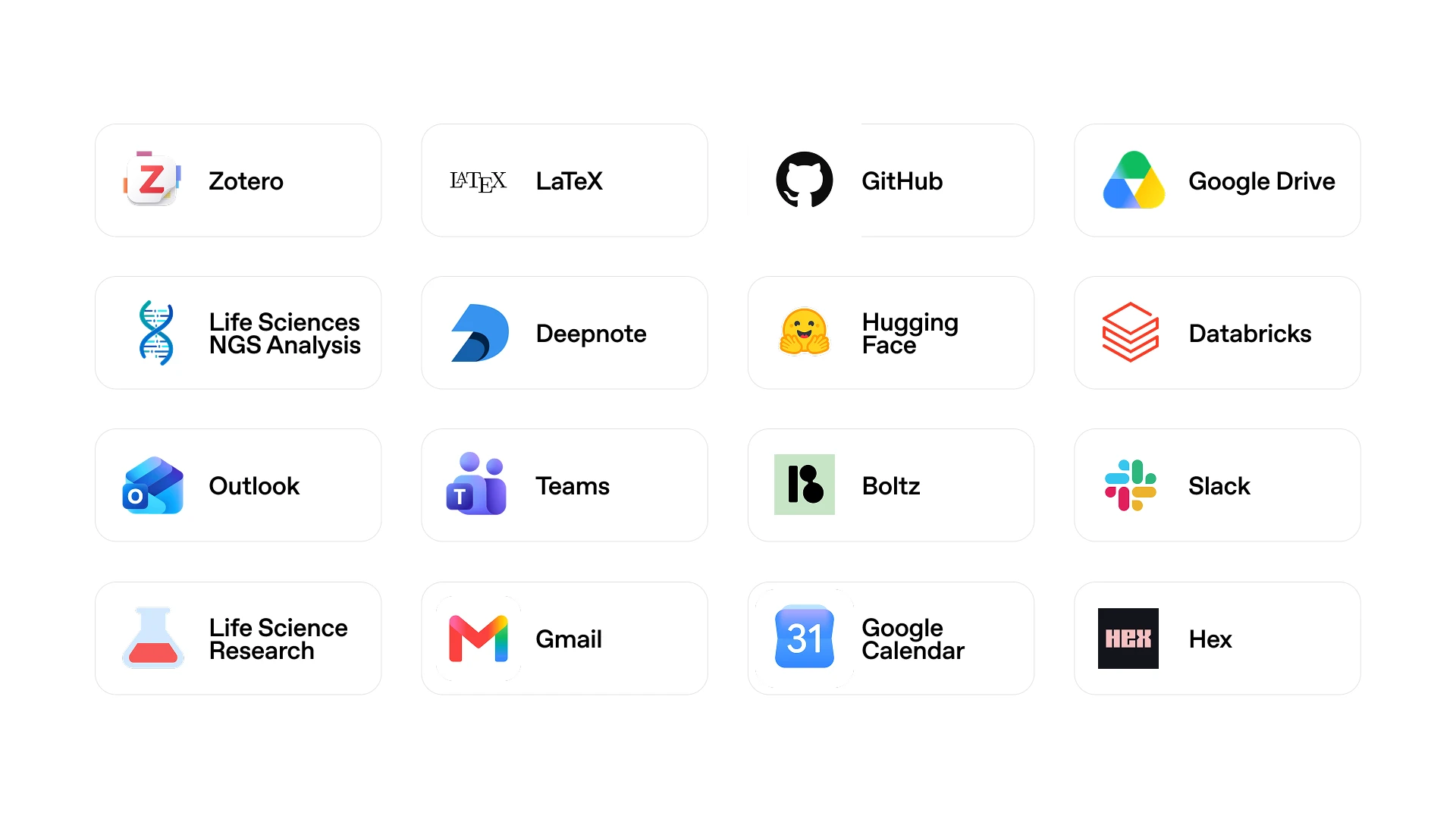
نمونههایی از مهارتها، اتصالدهندهها و ابزارهای موجود در ChatGPT و Codex.
Codex میتواند به نوشتن و اشکالزدایی کد، تحلیل مجموعهدادهها و ساخت گردشهای کار بازتولیدپذیر کمک کند. ChatGPT work میتواند از پروژههای طولانیتر مانند یافتن فرصتهای تأمین مالی، تدوین درخواستهای کمکهزینه، مرور منابع، نگارش پیشنویس مقاله و تهیه محتوای ارائه نتایج پشتیبانی کند.
میزان آشنایی اولیه پژوهشگران با هوش مصنوعی متفاوت خواهد بود. ممکن است برخی برای نخستین بار از این ابزارها استفاده کنند و برخی دیگر در حال توسعه کاربردهای پیشرفته در حوزه خود باشند.
این برنامه متناسب با سطوح مختلف تجربه آموزش ارائه میدهد؛ از شروع کار و بهبود گردشهای کار تا کاربردهای پژوهشی پیشرفته. شرکتکنندگان به متخصصان آشنا با گردشهای کار پژوهشی دسترسی خواهند داشت و برای ادغام این ابزارها در کارشان نیز کمک دریافت میکنند.
همزمان با مشاهده دستاوردهای پژوهشگران، قصد داریم فرصتهای بیشتری فراهم کنیم تا رویکردهای عملی خود را به اشتراک بگذارند، از یکدیگر بیاموزند و کاربردهای میانرشتهای را معرفی کنند. بازخورد آنها کمک میکند بفهمیم مدلهای ما کجا مفیدند، کجا کاستی دارند و چگونه میتوانیم آنها را برای جامعه پژوهشی ارزشمندتر کنیم.
مرحله نخست برنامه برای پژوهشگران واجد شرایط در مؤسسات دانشگاهی منتخب در دسترس است. مؤسسات واجد شرایط(در یک پنجره جدید باز میشود) باید کالج یا دانشگاهی معتبر، ارائهدهنده مدرک تحصیلی و دارای سطح بالایی از فعالیت پژوهشی باشند.
متقاضیان باید وابستگی سازمانی خود را تأیید کنند و درباره پژوهش فعال و کاربرد علمی موردنظرشان اطلاعات ارائه دهند. پژوهشگران تأییدشده میتوانند حداکثر چهار همکار از مؤسسه خود دعوت کنند. هر همکار نیز باید وابستگی سازمانی خود را تأیید کند و حساب او در تعداد کل حسابهای برنامه محاسبه میشود.
ثبت درخواست از امروز آغاز شده است. میتوانید معیارهای واجد شرایط بودن را بررسی کنید و از اینجا(در یک پنجره جدید باز میشود) درخواست دهید.