Salta al contingut principal
OpenAI

4 de juny del 2026

RecercaProductePublicació

Una base més sòlida per a la memòria de ChatGPT

Millorem la síntesi de memòria a ChatGPT per optimitzar-ne l’actualitat, la continuïtat i la rellevància.

S'està carregant…

Avui comencem a desplegar un sistema més capaç i escalable per sintetitzar la memòria, desenvolupat per abordar els reptes d’obsolescència, correcció i escalabilitat que observem quan la memòria s’aplica a centenars de milions d’usuaris i a horitzons temporals de diversos anys a ChatGPT.

La memòria és el que ajuda ChatGPT a aprendre les teves preferències, projectes i limitacions, i permet que les converses futures parteixin d’un context compartit en lloc de començar de zero.

Durant els dos darrers anys, la memòria s’ha convertit en una part essencial de l’experiència de ChatGPT, ajudant ChatGPT a entendre millor el teu context perquè pugui ajudar-te a assolir objectius significatius al llarg del temps. Això és fonamental per fer que ChatGPT sigui més útil: conèixer-te, ajudar-te i fer més coses per tu.

Aquesta actualització està disponible avui per als usuaris Plus i Pro als EUA, i s’anirà desplegant a més països i als usuaris Free i Go durant les properes setmanes.

Com ha evolucionat la memòria

La memòria es va llançar per primera vegada l’abril del 2024 (també coneguda com a memòries desades). La funció et permetia demanar a ChatGPT que recordés informació i la traslladés a xats futurs.
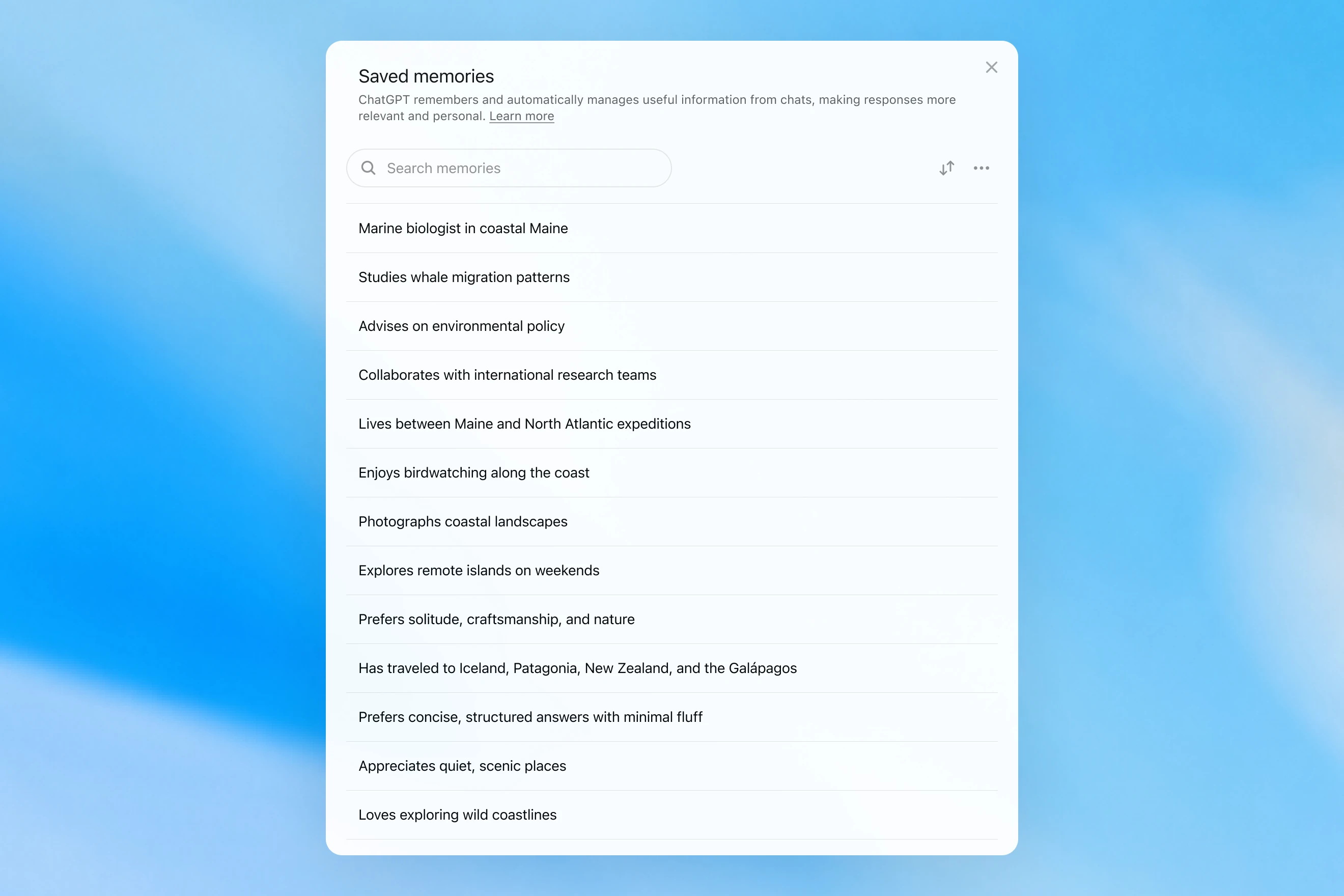
Saved memories modal showing a searchable list of personal details, including work, interests, travel, and response preferences.

Les memòries desades només s’escrivien durant la conversa i depenien de senyals clars per decidir quan activar la memòria, com ara una instrucció del tipus «recorda que viatjo a Singapur al juliol». A la pràctica, interactuar amb aquest sistema podia semblar com parlar amb algú que prenia unes quantes notes, però que igualment oblidava tot el que no havia quedat escrit. Les memòries desades també tendeixen a quedar obsoletes amb el temps i, finalment, es tornen incorrectes o irrellevants.

L’abril del 2025, vam actualitzar la memòria de ChatGPT donant al model la capacitat de consultar el context del xat fora de la llista de memòries desades; això es va fer introduint la primera versió de dreaming: un mètode perquè ChatGPT curi automàticament les memòries en segon pla consultant l’historial de xats.
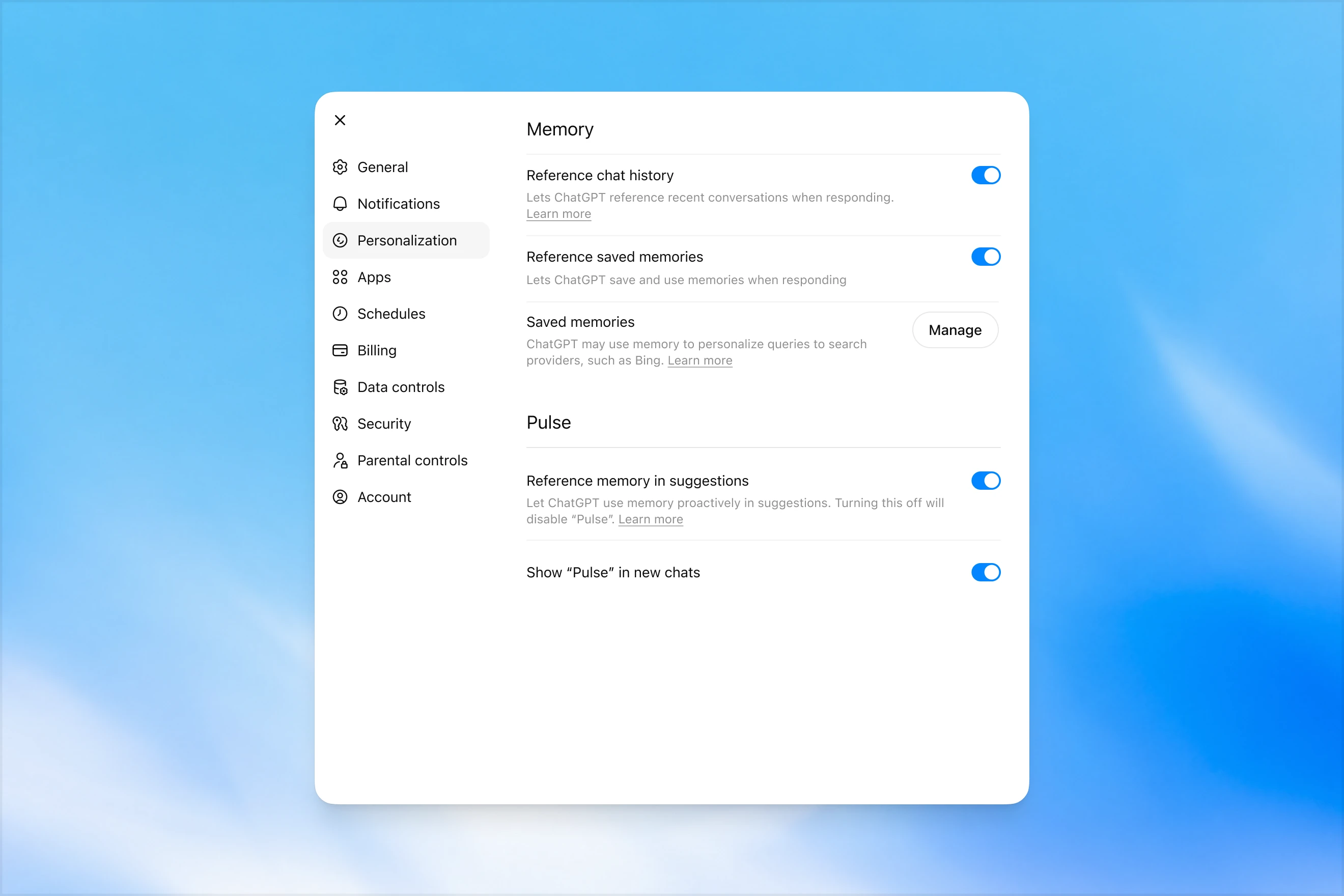
Memory settings page in ChatGPT showing options to reference chat history, use saved memories, manage saved memories, and enable Pulse memory suggestions.

A diferència de les memòries desades, dreaming aprofita un procés en segon pla que permet a ChatGPT aprendre de moltes converses i sintetitzar l’estat de la memòria de ChatGPT per proporcionar sempre el context més actual i rellevant a les teves converses. Dreaming també facilita que la memòria inclogui context que apareix de manera natural en la conversa, sense dependre de sol·licituds explícites per recordar alguna cosa.

Durant l’últim any, dreaming ha complementat les memòries desades per crear una millora substancial en la capacitat de ChatGPT de personalitzar les respostes i compensar l’obsolescència de les memòries desades. Tanmateix, històricament mai no havia estat suficient com a sistema de memòria independent.

Avui llancem una arquitectura de memòria significativament més capaç i eficient en còmput, construïda sobre dreaming.

Les memòries sintetitzades per dreaming es poden revisar mitjançant un resum que es mostra a la pàgina de resum de memòria. Des del resum de memòria, pots veure ràpidament els punts principals del que ChatGPT sap sobre tu, afegir o actualitzar informació sobre tu mateix i donar instruccions sobre quins temes hauria de treure ChatGPT i quan. Si vols aprofundir en una àrea concreta per saber-ne més, només cal que xategis amb el model.
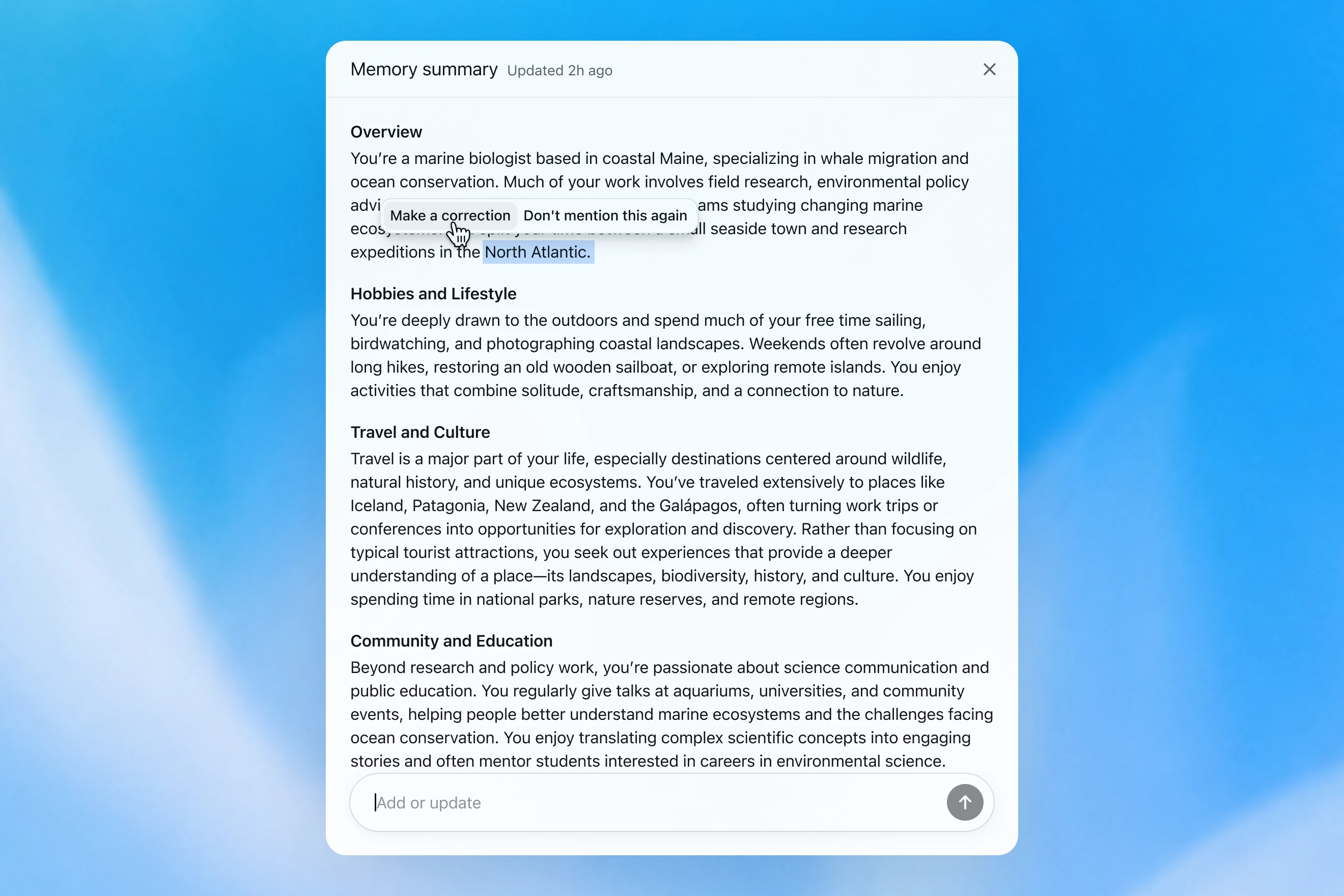
Memory summary modal showing a personalized overview of a user’s work, hobbies, travel interests, and community involvement, with options to correct or dismiss specific details.

Com avaluem la memòria

Quan pensem en com és una «bona memòria» a ChatGPT, ens venen al cap unes quantes coses:

  1. Traslladar context útil: Li dius una cosa a ChatGPT una vegada, i recorda aquesta informació en els teus xats posteriors.
  2. Seguir preferències i limitacions: Si descrius una preferència (p. ex., que ets vegetarià), ChatGPT hauria de prendre mesures coherents amb aquesta preferència d’ara endavant.
  3. Mantenir-se actualitzada al llarg del temps: La memòria hauria de tenir en compte el pas del temps. Imagina «L’usuari està planejant la seva festa d’aniversari per a dissabte vinent»; finalment, arriba diumenge.

Podem avaluar com ha millorat amb el temps la memòria de ChatGPT Plus i Pro respecte de cadascun dels tres objectius de memòria anteriors. Ho fem per a cadascun d’aquests casos:

  1. 2024: Memòries desades
  2. 2025: Memòries desades + Dreaming V0
  3. 2026: Dreaming V3

Traslladar el context

Quan inicies un xat nou amb ChatGPT, no t’has de presentar des de zero. ChatGPT et pot estalviar temps i basar-se en el context anterior, especialment en projectes complexos i de llarga durada.

Per exemple, imagina que fas servir ChatGPT per comprar equip fotogràfic nou compatible amb la teva càmera actual. Si en el passat has parlat amb ChatGPT de la teva configuració de càmera, pots demanar productes compatibles amb «la meva configuració fotogràfica» i obtenir recomanacions personalitzades que s’ajustin a les teves necessitats.

GPT-5.2 Instant

What would I need to buy to use TTL for my underwater photography setup?

To use TTL flash underwater, you need a compatible chain from camera → housing/trigger → cable → strobe. What you buy depends mostly on whether your setup uses fiber-optic TTL or electrical TTL.

Basic shopping checklist

  • TTL-capable underwater strobe
    Look for strobes that support your TTL type, such as Inon S-TTL, Sea & Sea DS-TTL, Ikelite DS TTL, or compatible Backscatter/Nauticam systems. TTL has to be supported by the strobe, not just the camera.
  • TTL trigger or TTL converter
    This is the key piece. It translates your camera’s flash metering into something the underwater strobe can understand. Examples include Nauticam optical TTL converters, Sea & Sea TTL converters, Backscatter Smart Control optical TTL triggers, or Ikelite DS Link TTL converters, depending on housing and camera brand. Backscatter notes that Nauticam optical TTL converters can work with fiber-optic-connected Inon and Sea & Sea TTL strobes, while Ikelite’s DS Link converters are made around Ikelite DS strobes and electrical sync setups. (Backscatter.com(s'obre en una finestra nova))
  • Connection cable
    For fiber optic TTL, buy one fiber optic cable per strobe. Ikelite’s fiber-optic guide says each strobe needs its own light path, converter/adapter, and cord. (Ikelite(s'obre en una finestra nova))
    For
    electrical TTL, buy the correct sync cord, such as Ikelite-style, Nikonos 5-pin, or housing-specific bulkhead cable.
  • Housing compatibility parts
    You may need a hot-shoe adapter, bulkhead, fiber optic window/adapter, or housing-specific TTL board. Many TTL triggers mount inside the housing on the camera hot shoe.
  • Strobe arms, clamps, tray, and mounting hardware
    TTL controls exposure, but you still need to physically mount and aim the strobes.
  • Batteries and spares
    Bring strobe batteries, trigger batteries if required, spare fiber optic cables or sync cord O-rings, and silicone grease for serviceable O-rings.

Which route should you choose?

Fiber optic TTL is usually easiest if your housing has optical ports or can use the camera’s pop-up flash/LED trigger. It is common with compact, mirrorless, Nauticam, Sea & Sea, AOI, and Olympus/OM TG-style setups.

Electrical TTL is often best if you use Ikelite DS strobes or an Ikelite-style housing/bulkhead. Ikelite says its DS Link TTL converters are faster and more reliable than fiber-optic TTL triggers, and they do not require batteries. (Backscatter.com(s'obre en una finestra nova))

The compatibility rule

You need all three to match:

camera brand/protocol + housing/trigger type + strobe TTL system

For example:

  • Sony camera + Nauticam housing + optical TTL trigger + Inon/Sea & Sea-compatible fiber optic strobe
  • Nikon/Canon/Sony camera + Ikelite housing/bulkhead + Ikelite DS Link TTL converter + Ikelite DS strobe
  • Compact camera with built-in flash + fiber optic cable + S-TTL/DS-TTL-capable strobe

So the practical answer is: buy a TTL-compatible strobe, the correct TTL trigger/converter for your camera and housing, and the right fiber optic or electrical sync cable. The exact part numbers depend on your camera, housing, and strobe model.

El model produeix una resposta genèrica que deixa a l’usuari la feina de fer comprovacions de compatibilitat complicades pel seu compte.

GPT-5.3 Instant

What would I need to buy to use TTL for my underwater photography setup?

I’ll verify this against your actual setup: Sony A1 II in Nauticam NA-A1II, with Backscatter Mini Flash 3 and Inon Z-330 strobes. The key question is whether you want TTL with the Mini Flash 3, the Z-330s, or both.

For your setupSony A1 II + Nauticam NA-A1II + Backscatter Mini Flash 3 + Inon Z-330 — there are two different TTL paths:

Best buy for Mini Flash 3 TTL

Buy:

Backscatter Smart Control TTL LED Nauticam Flash Trigger for Sony
SKU: BS-TR-SN2

Backscatter lists it as custom-designed for Nauticam full-frame Sony housings, TTL-compatible with Mini Flash 3, and the NA-A1II housing page offers it as the “Backscatter Smart Control TTL Flash Trigger” option. (Backscatter.com(s'obre en una finestra nova))

You’d use normal optical fiber cables from the housing to the Mini Flash 3. On the MF-3, you’d use SC or SC Macro mode; Backscatter says SC / SC Macro are the TTL modes for Mini Flash 3, with SC Macro specifically tuned for close macro work. (Backscatter.com(s'obre en una finestra nova))

For Inon Z-330 TTL

For the Inon Z-330, the relevant unit is:

UW Technics 11075-HSS TTL Converter for Sony / Nauticam

UW Technics explicitly lists Inon Z-330 as a compatible TTL strobe and supports optical TTL output. (UWTechnics(s'obre en una finestra nova))

But I would not buy this for Mini Flash 3 TTL. Backscatter’s own UW Technics listing says Backscatter strobes are manual / HSS only on that converter, while the Backscatter Smart Control trigger is the one listed for Sony TTL with the Mini Flash 3. (Backscatter.com(s'obre en una finestra nova))

Practical recommendation

Since you shoot macro and have the Mini Flash 3, I’d buy the Backscatter Smart Control TTL LED Nauticam Flash Trigger for Sony — BS-TR-SN2.

The catch: there probably is no single trigger that gives true TTL for both the Mini Flash 3 and Inon Z-330 at the same time. The Backscatter trigger is the right TTL solution for the MF-3; the UW Technics converter is the right TTL solution for the Z-330. So choose based on which strobe you actually want TTL for.

For your use case, I’d prioritize Mini Flash 3 TTL / SC Macro and treat the Z-330s as manual when needed.

El model recorda la configuració de càmera de l’usuari i recomana un producte compatible.

GPT‑5.2 Instant acaba responent la pregunta, però en un intent d’explicar els seus límits de seguretat, comença amb un llarg preàmbul sobre allò amb què no pot ajudar. GPT‑5.3 Instant, en canvi, entra directament en la resposta.

Podem construir una avaluació a partir d’exemples semblants a aquest, en què es demana al model que respongui a una indicació que requereix recordar informació factual sobre l’usuari. A continuació, el model és recompensat si respon d’una manera que utilitza correctament el context rellevant. En aquesta avaluació, el nou sistema basat en dreaming millora la capacitat del model de recordar fets rellevants.

Seguir preferències

La memòria també ajuda ChatGPT a respondre d’una manera que s’ajusta millor a les teves preferències i limitacions.

Imagina que estàs planejant un viatge a Singapur. Dos mesos abans del viatge, demanes a ChatGPT ajuda amb un itinerari. ChatGPT ja sap, per planificacions de viatges anteriors, que t’agrada la fotografia de fauna, prefereixes hotels amb un bon aire condicionat i gaudeixes més d’un sopar tranquil que d’un bar ple de gent.

GPT-5.2 Instant
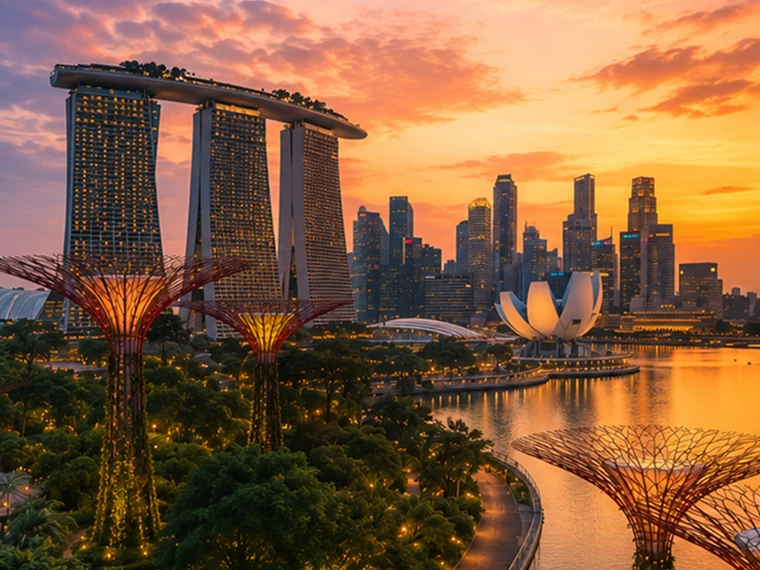
Help me plan a trip to Singapore. I'm going to be there for a work trip in July and will have a few days free at the end.

Great add-on city for a work trip: Singapore is compact, safe, excellent for solo exploring, and easy to do in 2–4 free days. July is hot and humid; expect daytime highs around 31–33°C / 88–91°F, warm nights, and sudden rain, so plan outdoor time early morning or after 5 p.m. and keep midday for museums, malls, cafés, or hotel downtime. Singapore’s official weather service notes typical daily highs of 31–33°C and lows of 23–25°C. (Singapore Weather Service(s'obre en una finestra nova))

memory-preferences-without

A strong 3-day plan

Day 1: Marina Bay, Gardens, and skyline

Start late afternoon at Marina Bay and walk the waterfront: Merlion Park, Helix Bridge, ArtScience Museum exterior, then into Gardens by the Bay. Book Cloud Forest, Flower Dome, and either the OCBC Skyway or Supertree Observatory if views matter to you. Gardens by the Bay lists Cloud Forest and Flower Dome as open daily 9 a.m.–9 p.m.; Supertree Observatory is also listed as 9 a.m.–9 p.m. with last admission at 8:30 p.m., but check maintenance closures before booking. (Gardens by the Bay(s'obre en una finestra nova))

Evening: stay for the Supertree light show area, then dinner at Lau Pa Sat for an easy first-night hawker experience near the CBD. It has 80+ stalls and local staples like satay, laksa, nasi lemak, bak kut teh, kaya toast, and char kway teow. (Laupasat(s'obre en una finestra nova))

Day 2: Culture neighborhoods and food

Morning: Chinatown. Visit Buddha Tooth Relic Temple, walk the shophouse streets, and eat at Maxwell Food Centre or Chinatown Complex Food Centre. Visit Singapore lists Maxwell, Chinatown Complex, Old Airport Road, Tiong Bahru Market, Newton, and others among popular hawker centres. (Visit Singapore(s'obre en una finestra nova))

Afternoon: Kampong Glam and Haji Lane for Sultan Mosque, murals, boutiques, and cafés. Then head to Little India around golden hour for temples, flower garlands, Tekka Centre, and dinner.

Evening: either cocktails around Ann Siang / Club Street, or keep it low-key with a night walk along the Singapore River: Boat Quay to Clarke Quay to Robertson Quay.

Day 3: Nature or beach day

Pick one based on your energy.

For nature: do Singapore Botanic Gardens early, then the National Orchid Garden, followed by lunch in Dempsey Hill or Tiong Bahru. This is the best “green Singapore” day without leaving the city.

For beach/resort mode: go to Sentosa. Choose the southern beaches, Fort Siloso Skywalk, or a beach club. I would skip trying to do every Sentosa attraction unless you love theme parks.

For local food focus: do Tiong Bahru Market for breakfast, National Gallery Singapore midday, then Old Airport Road Food Centre for dinner. The official events page also shows exhibitions and cultural events, so it is worth checking once your exact July dates are fixed. (Visit Singapore(s'obre en una finestra nova))

Best places to stay after the work part

Marina Bay / CBD is easiest if you want polished, walkable, skyline-heavy Singapore and minimal transit.

Chinatown / Telok Ayer / Tanjong Pagar is my top pick for a few free days: great food, MRT access, heritage streets, cocktail bars, and close to work districts.

Bugis / Kampong Glam is better if you want boutique hotels, cafés, street art, and a slightly more relaxed neighborhood feel.

Orchard is convenient for shopping and rainy-day malls, but less atmospheric.

What to book ahead

Book Gardens by the Bay conservatories/Skyway, any special restaurants, and possibly a cocktail bar. For hawker centres, do not over-plan; just go hungry, carry tissues or wet wipes, and be ready to share tables.

July packing notes

Bring breathable work clothes, comfortable walking shoes, a small umbrella, and a light layer for aggressive air-conditioning. I would also plan one “rain-flexible” indoor block each day, because showers can arrive suddenly even when the forecast looks fine.

My suggested balance: Day 1 Marina Bay/Gardens, Day 2 Chinatown–Kampong Glam–Little India, Day 3 Botanic Gardens or Sentosa. That gives you the Singapore highlights without turning your post-work break into another work project.

El model produeix una resposta genèrica, més turística, que no ajuda amb la reserva d’hotel i ignora en gran part els interessos de l’usuari.

GPT-5.3 Instant
Help me plan a trip to Singapore. I'm going to be there for a work trip in July and will have a few days free at the end.

I’ll build this around your known constraints: a few free days after work, hot/humid July weather, wildlife/photography/nature bias, strong AC needs for sleep, and good but not overly social dining. I’ll verify current July logistics and then give a practical short itinerary rather than a generic Singapore list.

memory-preferences-with

Here’s how I’d structure it: 2–3 free days, mostly nature / wildlife / photography, with heat-managed mornings and AC breaks. July is hot and humid: Singapore’s July long-term stats are about 31.4°C / 88.5°F average daily max, 25.4°C / 77.7°F min, 146.6 mm rain, and 14 rain days, so outdoor plans should be early morning or evening, not midday. (National Environment Agency(s'obre en una finestra nova))

Best plan for 3 free days

Day 1 — Gardens by the Bay + Marina Bay, low-friction

Morning: Cloud Forest + Flower Dome. This is the obvious “touristy” pick, but it fits you well because it’s visually interesting, good for photography, and climate-controlled. Gardens by the Bay lists Cloud Forest and Flower Dome-type attractions running 9:00am–9:00pm, and Cloud Forest currently has the Jurassic World experience listed as ongoing. (Gardens by the Bay(s'obre en una finestra nova))

Late afternoon / evening: Supertree Grove + Borealis / light show. Gardens currently lists Borealis every Sat, Sun & Mon, 8:00–8:30pm at Supertree Grove, so try to align this with one of those nights. (Gardens by the Bay(s'obre en una finestra nova))

Dinner: do something easy nearby: Marina Bay / Tanjong Pagar / Telok Ayer. For you, I’d prioritize reservation-based restaurants with real tables over hawker centers on the first night, because you dislike cramped solo seating.

Day 2 — Mandai wildlife day

Morning to afternoon: Bird Paradise + River Wonders. Bird Paradise is probably the best fit photographically; River Wonders is less “wildlife photography” and more controlled exhibits, but it pairs well logistically. River Wonders is listed as daily 9:00am–6:00pm, last entry 5:00pm. (Mandai Wildlife Reserve(s'obre en una finestra nova))

Evening: Night Safari. This is the rare Singapore attraction that is genuinely better at night and avoids the worst heat. Night Safari is listed as daily 6:00pm–12:00am, last entry 11:15pm, with tram plus walking trails and over 900 nocturnal animals. (Mandai Wildlife Reserve(s'obre en una finestra nova))

This is a full day. I would not add Singapore Zoo unless you have 4 free days; Mandai can become exhausting fast.

Day 3 — Nature reserve / macro-ish walking + food

Early morning: Singapore Botanic Gardens or MacRitchie / Windsor Nature Park. For a few free days, Botanic Gardens is the safer pick: easier transport, less sweaty, better bailout options, and more consistent casual photography. MacRitchie / Windsor is better if you want more actual forest, but it is hotter, sweatier, and less predictable.

Midday: AC break.

Late afternoon: Joo Chiat / Katong or Chinatown / Telok Ayer for walking, architecture, coffee, and dinner. This gives you a different texture from Marina Bay without turning the day into a logistics project.

My ranking for you

  1. Cloud Forest / Gardens by the Bay — best combination of photogenic, iconic, heat-managed.
  2. Bird Paradise + Night Safari — best wildlife-focused day.
  3. Botanic Gardens early morning — best low-stress outdoor nature.
  4. Joo Chiat / Katong — best neighborhood walk.
  5. Hawker centers — worth doing, but not ideal for your seating preferences unless timed off-peak.

What I’d avoid or deprioritize

I would skip Sentosa unless you specifically want beach/resort stuff. I would also skip a packed “greatest hits” day of Merlion / Orchard / Little India / Chinatown / Clarke Quay; it’s inefficient and hot. For you, the trip will be better if each day has one strong anchor plus one easy evening plan.

Hotel / sleep note

Since this is a work trip, your hotel may be fixed. If you can choose or extend at the same hotel, the hard gate is still AC. Singapore hotels are generally AC-heavy, but your requirement is unusually strict.

One thing I need to make this concrete

Send the exact free dates and whether your work hotel is fixed. Then I’d turn this into a day-by-day plan with restaurant targets and a hotel/AC callout.

El model produeix una resposta personalitzada segons els interessos de l’usuari en la fotografia de fauna, els sopars tranquils i les seves prioritats a l’hora de reservar un hotel.

GPT‑5.2 Instant acaba responent la pregunta, però en un intent d’explicar els seus límits de seguretat, comença amb un llarg preàmbul sobre allò amb què no pot ajudar. GPT‑5.3 Instant, en canvi, entra directament en la resposta.

Les preferències poden adoptar diverses formes:

  1. Instruccions sobre com hauria de respondre ChatGPT («no tornis a parlar d’en Stan»).
  2. Les teves preferències o limitacions personals («soc vegetarià»)
  3. Preferències implícites que determinen què és rellevant per a tu («visc a prop de San Francisco» → les opcions locals s’haurien d’adaptar a aquesta zona)

En desenvolupar el nou sistema de memòria, hem millorat la capacitat de ChatGPT d’aplicar preferències rellevants de converses anteriors. Seguint l’exemple anterior de «soc vegetarià», podem avaluar si el model aprofita correctament la memòria per produir opcions de menjar aptes per a vegetarians quan un usuari vegetarià demana suggeriments per preparar àpats.

Mantenir-se correcte al llarg del temps

El temps no s’atura quan acaba el teu xat.

Els sistemes de memòria tradicionals poden quedar obsolets. Per exemple, li dius a ChatGPT: «Soc a Singapur i necessito una recomanació per sopar aquesta nit». Després passa el temps, el viatge s’acaba i et preguntes per què ChatGPT encara creu que ets a Singapur.

Amb dreaming, les memòries s’actualitzen automàticament a mesura que passa el temps, cosa que permet a ChatGPT revisar la seva memòria de «Aniràs a Singapur al juliol» a «Vas anar a Singapur el juliol del 2026» quan el viatge s’acaba. Aleshores, quan tornes a casa, ChatGPT pot tornar a oferir recomanacions adaptades a la teva ubicació de casa i al teu fus horari.

GPT-5.2 Instant

Help me find something for take-out tonight that's still open.

It’s about 5:19 AM Sunday in Singapore, so your safest take-out/delivery bets are 24-hour places.

Best bets right now:

  1. McDelivery / McDonald’s Singapore — easiest islandwide option; McDonald’s says McDelivery is available 24 hours, 7 days a week. Breakfast menu should be on now. (McDonald's Singapore(s'obre en una finestra nova))
  2. Srisun Express — good for prata, Indian Muslim food, local comfort food; their site says they’re halal-certified and open 24/7. (Sri Sun Express(s'obre en una finestra nova))
  3. 89.7 Supper Club — good if you’re near Changi Village or Geylang East; their outlets page says both locations are open 24 hours, 7 days a week. (89.7 Supper Club(s'obre en una finestra nova))
  4. 126 Dim Sum Wen Dao Shi — worth checking on GrabFood/foodpanda if you’re in the East; a 2025 guide says it runs till 5:30 AM on weekdays and round-the-clock on weekends. Since it’s Sunday morning, it may still be available. (Eatbook(s'obre en una finestra nova))
  5. Prata around Geylang / Serangoon / Bedok / Jalan Kayu — look in GrabFood or Google Maps for “prata open now”; guides list multiple 24-hour prata/supper spots, including Mufiz Prata Corner and RK Eating House. (Eatbook(s'obre en una finestra nova))

For the fastest path: open GrabFood / foodpanda / Deliveroo, set filter to Open now, then search “prata,” “McDonald’s,” “Srisun,” “89.7,” “dim sum,” or “nasi lemak.” If you tell me your neighborhood or nearest MRT, I’ll narrow it to specific nearby places.

El model creu que l’usuari encara és a Singapur.

GPT-5.3 Instant

Help me find something for take-out tonight that's still open.

I’ll use Portola Valley / Ladera as the starting point and prioritize places that are plausibly open for takeout tonight, then narrow to low-friction options rather than a huge list.

For tonight, Saturday May 30, near Ladera / Portola Valley, I’d start here:

  1. Alpine Inn — safest casual pickup option. Open Saturday until 9:30 pm and has Order Takeout on its site. Good for burgers / tavern food. (Rossotti's Alpine Inn(s'obre en una finestra nova))
  2. Taverna Portola Valley — nearby at Ladera Country Shopper; open daily, Saturday dinner until 9:00 pm. Better if you want Greek / Mediterranean. (TAVERNA Portola Valley(s'obre en una finestra nova))
  3. Portola Bistro — also nearby; Saturday dinner until 9:30 pm. Good option for Italian / Mediterranean / pizza-ish dinner. (Portola Bistro -(s'obre en una finestra nova))
  4. Amigos Grill — Mexican, very close in Ladera Country Shopper. Official site says call to order at 650-851-3997; DoorDash / order.online lists pickup/delivery ordering until 8:40 pm. (Amigos Grill(s'obre en una finestra nova))
  5. State of Mind Slice House, Palo Alto — best fallback if you want pizza and can drive farther; Friday–Saturday hours are 11 am–10 pm. (State of Mind Slice House(s'obre en una finestra nova))

My pick: Alpine Inn for easiest local takeout, Taverna if you want something less heavy, State of Mind if it’s later and you want the most reliable post-9 pm option.

El model proporciona respostes rellevants per a la ubicació de casa de l’usuari.

GPT‑5.2 Instant acaba responent la pregunta, però en un intent d’explicar els seus límits de seguretat, comença amb un llarg preàmbul sobre allò amb què no pot ajudar. GPT‑5.3 Instant, en canvi, entra directament en la resposta.

En les nostres avaluacions de memòria, mesurem si ChatGPT pot respondre correctament a indicacions en què el pas del temps afecta materialment la resposta o recomanació correcta. Dreaming aporta una millora substancial en aquesta àrea:

Una base més escalable per al futur

A OpenAI, la nostra missió és garantir que la intel·ligència artificial general beneficiï tota la humanitat.

Tot i que la memòria basada en dreaming està disponible per als usuaris Plus i Pro des de fa un temps, només ara podem oferir als usuaris Free una versió que compleix el nostre llindar de qualitat i que és pràctica de servir a escala. Les millores recents han reduït aproximadament 5 vegades el còmput necessari per servir dreaming als usuaris Free, cosa que permet començar a desplegar dreaming als usuaris Free durant les properes setmanes i augmentar la capacitat de memòria per als usuaris Plus i Pro.

De cara al futur, dreaming ara ens proporciona una base de memòria compartida per a tots els usuaris. Aquesta actualització representa el nostre sistema de memòria més capaç fins ara, i continuarem millorant-lo.

Per obtenir més informació sobre aquest llançament i els controls d’usuari de la memòria, visita les nostres PMF sobre la memòria(s'obre en una finestra nova).


Autor

OpenAI