2026 年 8 月 10 日更新:新的申请人将加入候补名单。在此期间,我们将审核超过 13,000 份首批申请(代表最多 65,000 个研究人员名额),同时在符合条件的申请人中抽签选出首批 10,000 个名额。未入选本轮的申请人,在今年秋季重新开放申请后,仍有资格参与未来的遴选轮次。这有助于我们在扩展项目的同时,专注于支持第一批研究人员。
我们认为,前沿 AI 的价值不应集中在少数公司和资源充足的实验室手中。科学进步有赖于研究人员提出正确的问题、检验新的构想,并在他人研究成果的基础上继续探索。我们的职责是为其提供强大的工具,并与其携手设计既能加快研究、又能助其掌握主导权的模型。
我们推出“面向学术研究人员的 ChatGPT”计划,为指定学术机构的 10 万名研究人员免费提供前沿模型使用权限。从准备资助申请到检验假设,该计划将帮助科学、数学和工程领域的研究人员攻克前沿难题、加速发现并提升工作效率。
今年夏天,我们将从 1 万名研究人员起步;普林斯顿高等研究院 (IAS) 和巴黎高等师范学院 (ENS) 等机构现已获得访问权限。我们计划在 2027 年底前将覆盖范围扩大至 10 万名研究人员。参与者可使用我们的前沿模型,包括首发上线的 GPT‑5.6 Sol Pro,并可邀请最多四名同机构合作者。工作空间可提供企业级隐私与安全保护,且默认不会使用其中的数据训练我们的模型。研究人员可运用工具和技能,支持从基因组分析、蛋白质建模到文献综述、资助申请撰写和成果发表等工作。
该计划还包括培训、实操支持,以及向其他研究人员学习并与我们分享反馈的机会。
对于已使用 ChatGPT Edu 的机构,通过该计划授予的免费访问权限将由机构的工作空间统一协调。详细了解 ChatGPT Edu,以及 OpenAI 如何支持高等教育。
“面向学术研究人员的 ChatGPT”计划是我们承诺的一部分。到 2027 年,我们将投入逾 2.5 亿美元,用于支持外部科学研究与发现。相关举措包括投入 5000 万美元支持研究机构的 NextGenAI 计划,以及与美国能源部 Genesis Mission 建立合作,旨在将前沿 AI 推向国家实验室和大学的研究人员。这些举措共同体现了我们的信念:让更多研究人员获得探索自身构想所需的工具,从而加速科学进步。
AI 正以超出许多人预期的速度,成长为能力更强的研究工具。每周约有 130 万人使用 ChatGPT 开展高等科学和数学工作,生成约 840 万条消息。
这一转变在数学领域尤为明显。过去六个月中,AI 已从偶尔用于解决个别问题,逐渐成为数学研究的常规组成部分。如今,越来越多的论文已注明 ChatGPT 的贡献,这表明研究人员正迅速将这些工具应用于工作。
* 月份数据不完整;全文索引目前截至 7 月 21 日。
研究人员在科学工作的每个阶段几乎都会使用 ChatGPT 和 Codex。ChatGPT 可帮助研究人员审视想法、获取知识、生成假设并交流研究成果。Codex 支持研究执行和形式化分析,包括编写代码和分析结果。
按科学工作流类别和产品划分的科研请求占比,2026 年 6 月 21 日至 7 月 20 日
这些使用模式已体现在实际研究中。物理学家 Rogerio Jorge 及其团队正使用 AI 开发开源聚变研究软件,供产业界和国家实验室设计聚变能源装置。在理论计算机科学领域,研究人员 Barna Saha、Yinzhan Xu 和 Christopher Ye 使用 GPT‑5.5 Pro 完成了一项证明,确立计算机高效求解高维几何问题的新极限,随后由他们自行验证并完善结果。
使用这些工具最为频繁的研究人员,也在开展更具挑战性的工作。在各自领域 AI 使用量位居前 20% 的研究人员,要求 AI 承担预估人工耗时四小时以上任务的频率,几乎是其同行的两倍:这类请求占其请求总量的近 7%,而同领域其他研究人员的比例为 3.5%。
按预计所需人工工时及科学家 AI 使用强度划分的科学请求占比,2026 年 6 月 21 日至 7 月 20 日
我们的策略不是判断哪些科学问题值得关注,也不是试图亲自解决所有问题。我们的目标是为研究界提供强大的工具,助力研究人员探索自己最熟悉的问题。
参与者可在 ChatGPT、ChatGPT 工作和 Codex 中免费使用我们的前沿模型,包括首发上线的 GPT‑5.6 模型系列。他们还将获得更广泛的深度研究功能、更高的使用上限和更大的上下文窗口。这些能力共同支持科学推理、智能体式执行,以及跨学科研究工作流。
GPT‑5.6 Terra 兼顾能力与效率,适合日常研究;GPT‑5.6 Luna 能更快响应轻量级任务;GPT‑5.6 Sol 则用于攻克难度最高的科学和数学问题。在衡量研究级数学推理能力的 FrontierMath Tier 4 中,GPT‑5.6 Sol 得分为 83%,而 GPT‑5.5 为 72.5%。在评估复杂生物数据分析和科学推理能力的 GeneBench Pro 中,GPT‑5.6 Sol Pro 能解决 31.5% 的任务。
研究人员可使用超过 75 项生命科学技能(在新窗口中打开),涵盖遗传学、基因组学、测序、单细胞分析、蛋白质建模和药物发现。连接器可支持跨学科研究,以便研究人员访问科学文献、公共基因组与临床数据库、卫星影像、计算笔记本、数据平台和参考文献管理工具。
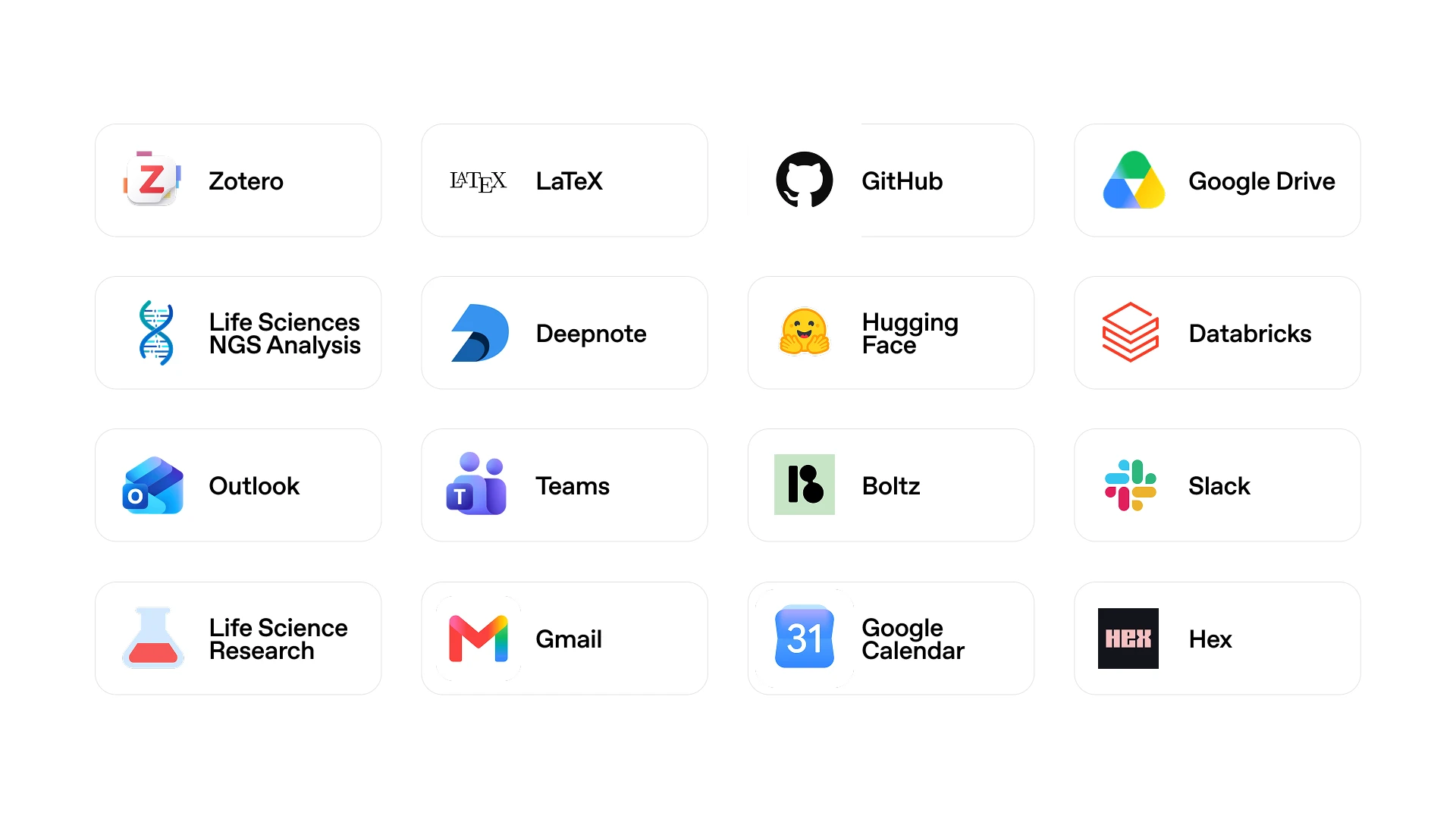
ChatGPT 和 Codex 中可用技能、连接器和工具的典型示例。
Codex 可编写和调试代码、分析数据集,以及构建可复现的工作流。ChatGPT 工作可支持周期较长的项目,例如寻找资助机会、准备资助申请、评阅文献、起草论文,以及制作成果交流材料。
研究人员使用 AI 的起点各不相同。有些人可能首次使用这些工具,另一些人则可能正在开发其所属领域的高级应用。
该计划将根据不同经验水平提供定制培训,涵盖入门、改进工作流和高级研究应用。参与者可向熟悉研究工作流的专家寻求支持,包括助其将这些工具融入实际工作。
随着研究人员的不断探索,我们计划创造更多机会,让他们分享实用策略、相互学习,并展示跨学科应用。他们的反馈将帮助我们了解模型在哪些方面能够发挥效用、存在哪些不足之处,以及如何让模型为研究界创造更大价值。
首期计划面向指定学术机构中符合条件的研究人员开放。符合条件的机构(在新窗口中打开)必须是经认可、具有学位授予资格且研究活动水平较高的学院或大学。
申请人需要验证其机构隶属关系,并提供当前研究及拟定科学用途的相关信息。获批的研究人员可邀请最多四名同机构合作者。每位合作者也必须验证其机构隶属关系,并且其账户将计入该计划的账户总数。
申请现已开放。你可以在此(在新窗口中打开)查看资格标准并提交申请。