Kuken Industries searches 70 years of drawings in minutes
Kuken’s engineers use a tool built on the OpenAI API to find the drawing for a replacement part in 4.5 minutes, down from nearly an hour.
90%
Projected reduction in hours spent searching for drawings each year
4.5 min
Time to find a drawing, down from nearly an hour
Kuken Industries makes air conditioning and ventilation equipment for large buildings, shopping centers, and factories. It holds one of the largest shares of Japan’s cooling tower market. These towers release heat from circulating water into the air, helping cool everything from large buildings and malls to equipment in data centers.
When a cooling tower needs a replacement part, Kuken’s engineers turn to an archive of drawings that spans 70 years of installations. For a newer engineer, finding the right drawing often meant asking an experienced colleague where to look and how to read it. Kuken wanted newer engineers to be able to find those records themselves, learn from the decisions they contain, and spend more time figuring out how to make the repair.
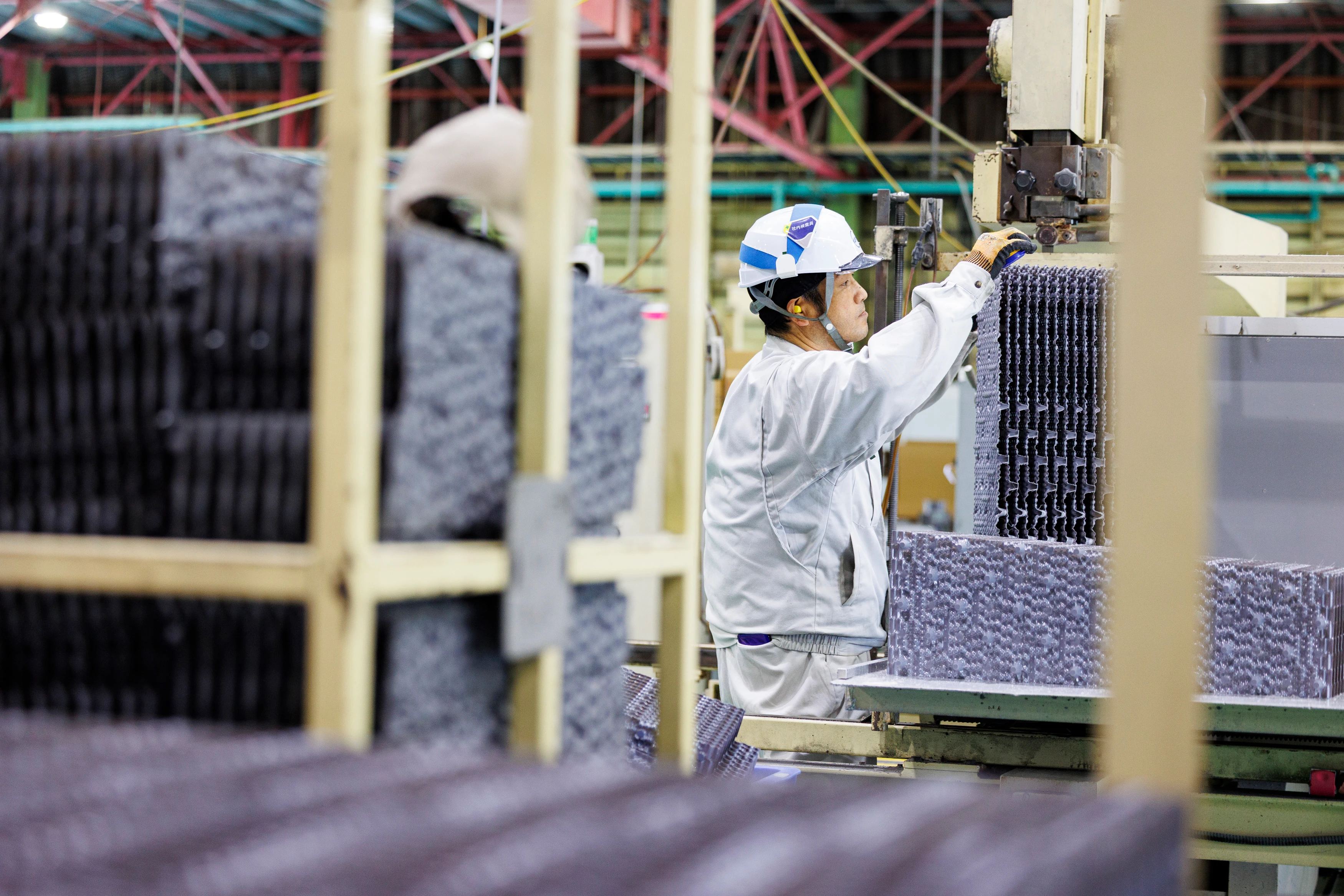
Parts made today don’t always fit older cooling towers. Without the original drawing to show what was installed, engineers may have to design and manufacture a replacement from scratch.
A search by model or part name can turn up several drawings. Over more than 70 years, Kuken has adapted its equipment to individual customers, so specifications vary by customer and installation date. When the archive was on paper, a search could take half a day. Kuken later digitized the archive, but engineers still had to know which name or number to look up and where to find the file. Newer engineers in particular spent time piecing those details together.
Kuken wanted engineers at every experience level to be able to search the archive on their own. As it explored how AI might help, Kuken connected with Recursive, a Japanese AI startup and an official OpenAI partner.
The two companies built the search system and its field app together, drawing on Kuken’s archive and input from its engineers. They tested several AI models on a range of drawings to see how accurately each could extract details and at what cost. OpenAI’s models performed well on both measures, and the OpenAI API gave the team the flexibility to build search directly into the app.

Conversations with field engineers shaped how the search works. Engineers can enter a drawing or part number, or upload an image or PDF of a drawing or parts list.
Pasting in a screenshot of the list saves engineers from entering each number by hand. The app reads the part numbers and returns possible matches, including drawings for similar designs. To find the right drawing, engineers check the tower’s specifications and records of past replacements.
Kuken reports the following results from using and testing the search tool.
Kuken expects the tool to cut the hours spent searching for drawings by about 90% over a year.
Experienced engineers use some of the time they save to mentor newer colleagues.
Engineers can review drawings in the app, reducing printing costs.
Engineers now spend less time looking for a drawing and more time studying it. Both newer engineers and veterans say that gives them room to consider design improvements and explore ideas they previously had little time to pursue.
Newer engineers can now handle a wider range of jobs on their own. Experienced colleagues who used to guide them through each search have more time to teach and to take on engineering work of their own.
“People now have time to do work they’ve wanted to try and take on new challenges. That’s been a real source of motivation.”
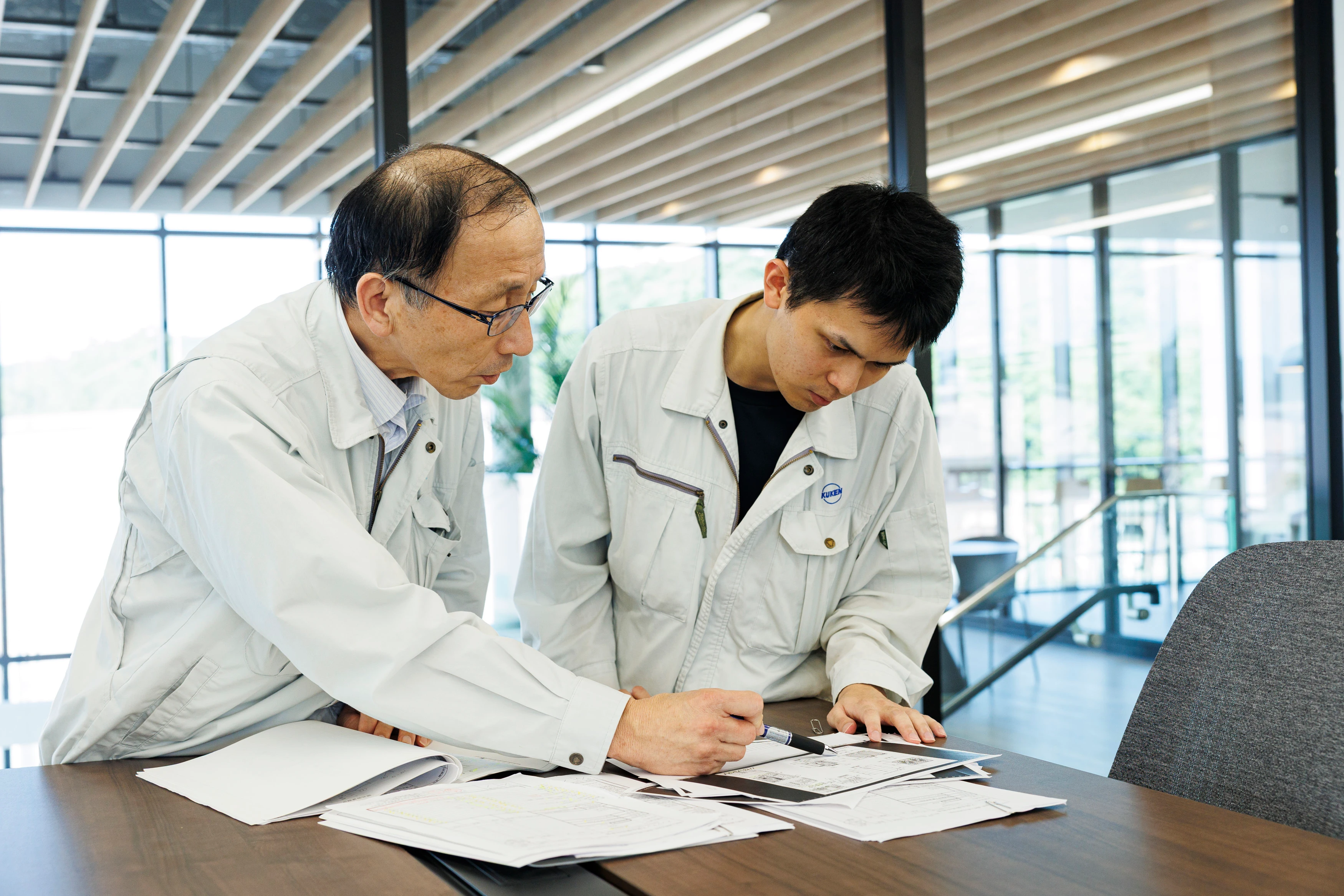
Kuken is also developing a tool to check drawings prepared by its partners. Today, engineers compare each drawing with the specifications by eye, looking for details or quantities that don’t match. Kuken wants the tool to flag those differences so engineers can review drawings faster and catch mistakes they might otherwise miss.
According to Kuken, in prototype testing, about 90% of the issues the AI flagged were genuine discrepancies. If the tool moves into production, Kuken expects it to substantially reduce the time engineers spend checking drawings.
Each drawing records decisions an engineer made for a particular installation. By making those decisions easier to find and understand, Kuken aims to pass that experience on to the next generation of engineers.
“I believe OpenAI’s technology can help manufacturers like us pass skills on to the next generation. That’s long been a challenge for us.”