تعلیمی محققین کے لیے ChatGPT سے سائنسی دریافت میں تیزی
ہم اپنے جدید ترین ماڈلز اور ٹولز 100,000 سائنس دانوں, ریاضی دانوں اور انجینئروں کو—مفت فراہم کر رہے ہیں.
10 اگست 2026 کو اپ ڈیٹ: نئے درخواست دہندگان اب ویٹ لسٹ میں شامل ہوں گے جبکہ ہم پہلی لہر کی 13,000 سے زیادہ درخواستوں کا جائزہ لے رہے ہیں—جو 65,000 تک محقق نشستوں کی نمائندگی کرتی ہیں—اور اہل درخواست دہندگان میں قرعہ اندازی کے ذریعے ابتدائی 10,000 نشستوں والے گروپ کا انتخاب کریں گے. اس گروپ میں منتخب نہ ہونے والے افراد مستقبل کے انتخابی راؤنڈز کے لیے اہل رہیں گے، جب درخواستیں اس موسمِ خزاں میں بعد میں دوبارہ کھلیں گی. اس سے ہمیں پروگرام کو وسعت دیتے ہوئے محققین کے پہلے گروپ کی مدد پر توجہ مرکوز کرنے کا موقع ملے گا.
ہمارا ماننا ہے کہ جدید ترین AI کے فوائد چند کمپنیوں اور وافر وسائل والی تجربہ گاہوں تک محدود نہیں رہنے چاہئیں. سائنسی پیش رفت کا انحصار محققین کے درست سوالات اٹھانے, نئے خیالات آزمانے اور دوسروں کی دریافتوں کو آگے بڑھانے پر ہے. ہمارا کردار طاقتور ٹولز ان کے ہاتھوں میں دینا—اور ان کے ساتھ مل کر ایسے ماڈلز بنانا ہے جو اختیار انہی کے پاس رکھتے ہوئے ان کی تحقیق تیز کریں.
ہم تعلیمی محققین کے لیے ChatGPT متعارف کرا رہے ہیں، جو منتخب تعلیمی اداروں کے 100,000 محققین کو ہمارے فرنٹیئر ماڈلز تک مفت رسائی دینے والا پروگرام ہے. یہ پروگرام سائنس، ریاضی اور انجینئرنگ کے محققین کو گرانٹ درخواستیں تیار کرنے سے لے کر مفروضے آزمانے تک، پیچیدہ مسائل حل کرنے، دریافتیں تیز کرنے اور پیداواری صلاحیت بہتر بنانے میں مدد دے گا.
اس موسم گرما میں ہم 10,000 محققین سے آغاز کر رہے ہیں, اور Institute for Advanced Study (IAS) اور École normale supérieure (ENS) جیسے اداروں میں رسائی پہلے ہی دستیاب ہے. ہم 2027 تک اسے 100,000 محققین تک وسعت دینے کا ارادہ رکھتے ہیں. شرکا کو ہمارے جدید ترین ماڈلز تک رسائی ملے گی, جن میں آغاز کے وقت GPT‑5.6 Sol Pro بھی شامل ہے, اور وہ اپنے ادارے سے زیادہ سے زیادہ چار معاونین کو مدعو کر سکیں گے. ورک اسپیسز میں کاروباری معیار کی رازداری اور سیکیورٹی کے تحفظات شامل ہیں, اور بطورِ ڈیفالٹ ڈیٹا ہمارے ماڈلز کی ٹریننگ کے لیے استعمال نہیں ہوتا. محققین جینومک تجزیے اور پروٹین ماڈلنگ سے لے کر لٹریچر کے جائزے, گرانٹ تحریر اور اشاعت تک کے کام میں مدد کے لیے ٹولز اور اسکلز استعمال کر سکتے ہیں.
پروگرام میں ٹریننگ, عملی معاونت, دوسرے محققین سے سیکھنے اور ہمیں اپنی رائے دینے کے مواقع بھی شامل ہیں.
ChatGPT Edu رکھنے والے اداروں میں اس پروگرام کے تحت دی جانے والی مفت رسائی, ادارے کے ورک اسپیس کے ذریعے مربوط کی جائے گی. ChatGPT Edu اور اعلیٰ تعلیم کے لیے OpenAI کی معاونت کے بارے میں مزید جانیں.
تعلیمی محققین کے لیے ChatGPT, بیرونی سائنسی تحقیق اور دریافت کی معاونت کے لیے 2027 تک 250 ملین ڈالر سے زیادہ کے عزم کا حصہ ہے. اس میں تحقیقی اداروں کی معاونت کے لیے ہمارا 50 ملین ڈالر کا منصوبہ NextGenAI اور محکمہ توانائی کے Genesis Mission کے ساتھ ہمارا کام شامل ہے, جس کا مقصد قومی تجربہ گاہوں اور یونیورسٹیوں کے محققین تک جدید ترین AI پہنچانا ہے. یہ تمام کوششیں ہمارے اس یقین کی عکاسی کرتی ہیں کہ جب زیادہ محققین کو اپنے خیالات پر کام کرنے کے ٹولز میسر ہوتے ہیں تو سائنسی پیش رفت تیز ہوتی ہے.
AI بہت سے لوگوں کی توقع سے کہیں زیادہ تیزی سے ایک زیادہ باصلاحیت تحقیقی ٹول بن رہا ہے. ہر ہفتے تقریباً 1.3 ملین افراد جدید سائنس اور ریاضی کے لیے ChatGPT استعمال کرتے ہیں اور تقریباً 8.4 ملین پیغامات تخلیق کرتے ہیں.
یہ تبدیلی خاص طور پر ریاضی میں نمایاں ہے. گزشتہ چھ ماہ میں AI کا استعمال الگ تھلگ مسائل تک کبھی کبھار محدود رہنے کے بجائے ریاضیاتی تحقیق کا زیادہ باقاعدہ حصہ بن گیا ہے. اب زیادہ سے زیادہ تحقیقی مقالات ChatGPT کی شراکت کا اعتراف کر رہے ہیں, جو دکھاتا ہے کہ محققین کتنی تیزی سے ان ٹولز کو اپنے کام میں اپنا رہے ہیں.
* نامکمل مہینہ؛ مکمل ٹیکسٹ انڈیکس فی الحال 21 جولائی تک ہے.
محققین سائنسی کام کے تقریباً ہر مرحلے میں ChatGPT اور Codex استعمال کرتے ہیں. ChatGPT محققین کو خیالات کی جانچ, علم حاصل کرنے, مفروضے وضع کرنے اور اپنے نتائج پیش کرنے میں مدد دیتا ہے. Codex تحقیق کو عملی شکل دینے اور رسمی تجزیے میں مدد کرتا ہے, جس میں کوڈ لکھنا اور نتائج کا تجزیہ شامل ہے.
سائنسی طریقۂ کار کے زمرے اور پروڈکٹ کے لحاظ سے سائنسی تحقیقی درخواستوں کا حصہ, 21 جون تا 20 جولائی 2026
یہ رجحانات تحقیق میں بھی نظر آ رہے ہیں. طبیعیات دان Rogerio Jorge اور ان کی ٹیم AI کی مدد سے اوپن سورس فیوژن ریسرچ سافٹ ویئر تیار کر رہی ہے, جسے صنعت اور قومی تجربہ گاہیں فیوژن توانائی کے آلات ڈیزائن کرنے کے لیے استعمال کرتی ہیں. نظریاتی کمپیوٹر سائنس میں, محققین Barna Saha, Yinzhan Xu, اور Christopher Ye نے GPT‑5.5 Pro کی مدد سے ایک ایسا ثبوت تیار کیا جس نے اس بات کی نئی حدود متعین کیں کہ کمپیوٹر بلند ابعادی جیومیٹری کے مسائل کتنی مؤثر طریقے سے حل کر سکتے ہیں, پھر انہوں نے خود ان نتائج کی توثیق کی اور انہیں مزید بہتر بنایا.
ان ٹولز کو سب سے زیادہ استعمال کرنے والے محققین زیادہ چیلنجنگ کام بھی کر رہے ہیں. اپنے شعبے میں AI استعمال کے لحاظ سے سرفہرست 20% محققین, اپنے ساتھیوں کے مقابلے میں AI کو چار گھنٹے یا زیادہ کا کام دینے کا تقریباً دوگنا امکان رکھتے ہیں: ان کی تقریباً 7% درخواستیں ایسی ہوتی ہیں, جبکہ اسی شعبے کے دوسرے محققین میں یہ شرح 3.5% ہے.
انسان کے تخمینی فعال اوقات کار اور سائنس دان کی AI استعمال کی شدت کے لحاظ سے سائنسی درخواستوں کا حصہ, 21 جون تا 20 جولائی 2026
ہماری حکمت عملی یہ طے کرنا نہیں ہے کہ کون سے سائنسی مسائل توجہ کے مستحق ہیں, نہ ہی ان سب کو خود حل کرنے کی کوشش کرنا ہے. اس کا مقصد تحقیقی برادری کو مؤثر ٹولز دینا اور محققین کو ان سوالات پر کام کرنے دینا ہے جنہیں وہ سب سے بہتر سمجھتے ہیں.
شرکا کو ChatGPT, ChatGPT کام اور Codex میں ہمارے جدید ترین ماڈلز تک مفت رسائی ملے گی, جس میں آغاز کے وقت ماڈلز کا GPT‑5.6 خاندان بھی شامل ہے. انہیں وسیع تر ڈیپ ریسرچ, استعمال کی زیادہ حدود اور بڑی سیاق ونڈوز بھی ملیں گی. یہ صلاحیتیں مل کر مختلف شعبوں میں سائنسی ریزننگ, خودمختار عمل درآمد اور تحقیقی طریقۂ کار کی معاونت کرتی ہیں.
GPT‑5.6 Terra روزمرہ تحقیق کے لیے صلاحیت اور کارکردگی میں توازن رکھتا ہے, GPT‑5.6 Luna ہلکے کاموں کے لیے تیز جوابات دیتا ہے, اور GPT‑5.6 Sol مشکل ترین سائنسی اور ریاضیاتی مسائل حل کرتا ہے. تحقیقی سطح کی ریاضیاتی ریزننگ ناپنے والے FrontierMath Tier 4 پر GPT‑5.6 Sol کا اسکور 83% ہے, جبکہ GPT‑5.5 کا اسکور 72.5% ہے. پیچیدہ حیاتیاتی ڈیٹا کے تجزیے اور سائنسی ریزننگ کا جائزہ لینے والے GeneBench Pro پر GPT‑5.6 Sol Pro, 31.5% کام حل کرتا ہے.
محققین جینیات, جینومکس, سیکوئنسنگ, واحد خلیاتی تجزیے, پروٹین ماڈلنگ اور دوا کی دریافت پر محیط 75 سے زیادہ حیاتیاتی سائنس کی مہارتیں(نئی ونڈو میں کھلتا ہے) استعمال کر سکتے ہیں. کنیکٹرز سائنسی لٹریچر, عوامی جینومی اور طبی ڈیٹابیس, سیٹلائٹ تصاویر, کمپیوٹیشنل نوٹ بکس, ڈیٹا پلیٹ فارمز اور حوالہ جاتی منتظمین تک رسائی دے کر مختلف شعبوں میں تحقیق کی معاونت کرتے ہیں.
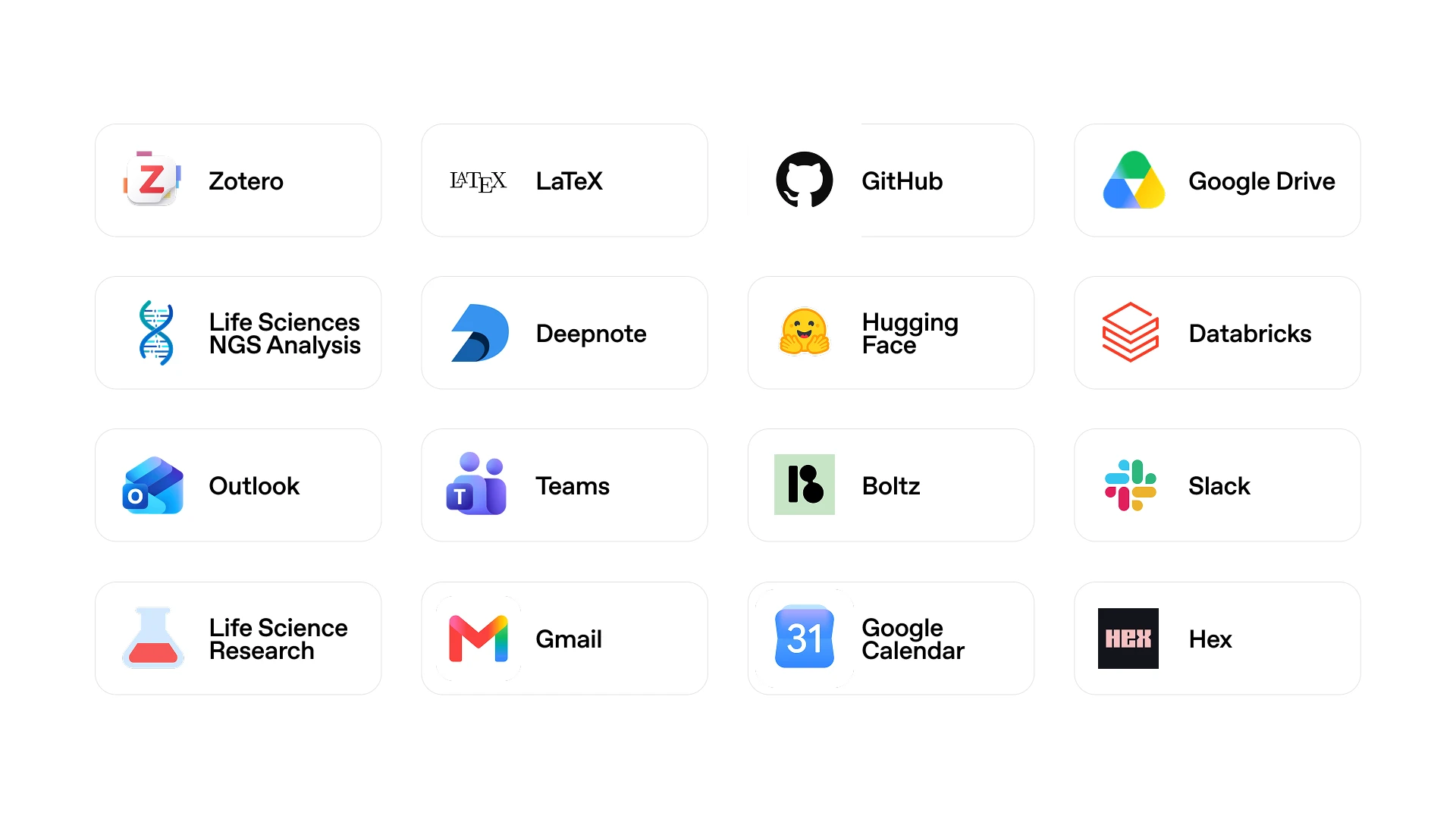
ChatGPT اور Codex میں دستیاب مہارتوں, کنیکٹرز اور ٹولز کی نمائندہ مثالیں.
Codex کوڈ لکھنے اور اس کی خامیاں دور کرنے, ڈیٹا سیٹس کا تجزیہ کرنے اور قابل تکرار طریقۂ کار بنانے میں مدد کر سکتا ہے. ChatGPT کام طویل پروجیکٹس میں مدد دے سکتا ہے, جیسے مالی معاونت کے مواقع تلاش کرنا, گرانٹ کی درخواستیں تیار کرنا, لٹریچر کا جائزہ لینا, مسودے لکھنا اور نتائج پیش کرنے کا مواد بنانا.
AI کے ساتھ ہر محقق کا نقطۂ آغاز مختلف ہوگا. کچھ لوگ یہ ٹولز پہلی بار استعمال کر رہے ہوں گے, جبکہ دیگر اپنے شعبوں میں ایڈوانسڈ ایپلیکیشنز تیار کر رہے ہوں گے.
یہ پروگرام مختلف تجرباتی سطحوں کے مطابق ٹریننگ پیش کرے گا, جس میں ابتدا کرنے اور طریقۂ کار بہتر بنانے سے لے کر جدید تحقیقی ایپلیکیشنز تک شامل ہیں. شرکا کو تحقیقی طریقۂ کار سے واقف ماہرین تک رسائی ملے گی, جو ان ٹولز کو ان کے کام میں شامل کرنے میں بھی مدد دیں گے.
محققین کی دریافتیں سامنے آنے کے ساتھ ہم مزید مواقع پیدا کرنے کا ارادہ رکھتے ہیں تاکہ وہ عملی طریقے شیئر کریں, ایک دوسرے سے سیکھیں اور مختلف شعبوں میں استعمال نمایاں کریں. ان کی رائے سے ہمیں یہ سمجھنے میں مدد ملے گی کہ ہمارے ماڈلز کہاں مفید ہیں, کہاں کمزور پڑتے ہیں اور تحقیقی برادری کے لیے انہیں مزید کارآمد کیسے بنایا جائے.
ابتدائی پروگرام منتخب تعلیمی اداروں کے اہل محققین کے لیے دستیاب ہے. اہل ادارے(نئی ونڈو میں کھلتا ہے) تسلیم شدہ اور ڈگری جاری کرنے والے ایسے کالج یا یونیورسٹیاں ہونے چاہئیں جہاں اعلیٰ سطح کی تحقیقی سرگرمی ہوتی ہو.
درخواست دہندگان کو اپنے ادارے سے وابستگی کی تصدیق اور اپنی جاری تحقیق اور مجوزہ سائنسی استعمال کے بارے میں معلومات فراہم کرنا ہوں گی. منظور شدہ محققین اپنے ادارے سے زیادہ سے زیادہ چار معاونین کو مدعو کر سکتے ہیں. ہر معاون کو بھی اپنی وابستگی کی تصدیق کرنی ہوگی اور اس کا اکاؤنٹ پروگرام کے اکاؤنٹس کی کل تعداد میں شمار ہوگا.
درخواستیں آج سے قبول کی جا رہی ہیں. آپ اہلیت کے معیار کا جائزہ لے کر یہاں(نئی ونڈو میں کھلتا ہے) درخواست دے سکتے ہیں.