Прискорення наукових відкриттів із ChatGPT для академічних дослідників
Ми безкоштовно надаємо наші передові моделі й інструменти 100 000 науковців, математиків та інженерів.
Оновлення від 10 серпня 2026 р.: нові заявники тепер потраплятимуть до списку очікування на період, поки ми розглядаємо понад 13 000 заявок першої хвилі, що охоплюють до 65 000 ліцензій для дослідників, і відбираємо пергу когорту на 10 000 місць шляхом жеребкування серед відповідних заявників. Ті, кого не буде відібрано до цієї когорти, залишатимуться придатними для участі в майбутніх раундах відбору, коли прийом заявок знову відкриється пізніше цієї осені. Це дозволить нам зосередитися на підтримці першої групи дослідників у міру розширення програми.
Ми вважаємо, що переваги передового ШІ не мають зосереджуватися в кількох компаніях і лабораторіях із великими ресурсами. Науковий прогрес залежить від того, чи ставлять дослідники правильні запитання, перевіряють нові ідеї та розвивають відкриття інших. Наше завдання — надати їм потужні інструменти й разом із ними створювати моделі, які прискорюють дослідження, залишаючи контроль у руках науковців.
Ми запускаємо ChatGPT для академічних дослідників — програму, що надасть 100 000 науковців із вибраних академічних установ безкоштовний доступ до наших передових моделей. Програма допоможе дослідникам у природничих науках, математиці й інженерії розв’язувати складні завдання, прискорювати відкриття та підвищувати продуктивність на всіх етапах — від підготовки грантових заявок до перевірки гіпотез.
Цього літа ми починаємо з 10 000 дослідників. Доступ уже надається в таких установах, як Інститут перспективних досліджень (IAS) і Вища нормальна школа (ENS). До кінця 2027 року ми плануємо розширити програму до 100 000 дослідників. Учасники матимуть доступ до наших передових моделей, зокрема на момент запуску до GPT‑5.6 Sol Pro, і зможуть запросити до чотирьох колег зі своєї установи. Робочі простори мають захист конфіденційності та безпеки корпоративного рівня, а дані за замовчуванням не використовуються для навчання наших моделей. Дослідники можуть використовувати інструменти й навички для різноманітної роботи — від геномного аналізу та моделювання білків до оглядів літератури, написання грантових заявок і публікації результатів.
Програма також передбачає навчання, практичну підтримку та можливості переймати досвід інших дослідників і ділитися з нами відгуками.
В установах, які використовують ChatGPT Edu, безкоштовний доступ за цією програмою координуватиметься через робочий простір установи. Докладніше про ChatGPT Edu та підтримку вищої освіти з боку OpenAI.
ChatGPT для академічних дослідників — частина зобов’язання виділити до кінця 2027 року понад 250 мільйонів доларів на підтримку зовнішніх наукових досліджень і відкриттів. Сюди входять NextGenAI — наша ініціатива обсягом 50 мільйонів доларів на підтримку дослідницьких установ — і співпраця з місією Genesis Міністерства енергетики США, покликана надати передовий ШІ дослідникам у національних лабораторіях та університетах. Усі ці ініціативи відображають наше переконання: науковий прогрес прискорюється, коли більше дослідників отримують інструменти для втілення власних ідей.
ШІ стає дедалі потужнішим дослідницьким інструментом швидше, ніж багато хто очікував. Щотижня близько 1,3 мільйона людей використовують ChatGPT для складних завдань із природничих наук і математики, створюючи приблизно 8,4 мільйона повідомлень.
Особливо помітні ці зміни в математиці. За останні шість місяців ШІ перетворився з інструмента для епізодичного розв’язання окремих задач на постійну складову математичних досліджень. Дедалі більше наукових праць згадують внесок ChatGPT, що свідчить про швидке впровадження цих інструментів у роботу дослідників.
* Неповний місяць; наразі повнотекстовий індекс охоплює дані до 21 липня включно.
Дослідники використовують ChatGPT і Codex майже на кожному етапі наукової роботи. ChatGPT допомагає дослідникам критично осмислювати ідеї, здобувати знання, формувати гіпотези й розповідати про свої результати. Codex допомагає проводити дослідження та формальний аналіз, зокрема писати код і аналізувати результати.
Частка запитів щодо наукових досліджень за категорією наукового робочого процесу та продуктом, 21 червня — 20 липня 2026 року
Ці тенденції вже помітні в наукових дослідженнях. Фізик Рожеріу Жоржі та його команда використовують ШІ для розробки програмного забезпечення з відкритим кодом для термоядерних досліджень. Промисловість і національні лабораторії застосовують його для проєктування установок термоядерної енергетики. У теоретичній інформатиці дослідники Барна Саха, Їньчжань Сюй і Крістофер Є за допомогою GPT‑5.5 Pro розробили доведення, яке встановлює нові межі ефективності розв’язання комп’ютерами задач із багатовимірної геометрії, а потім самостійно перевірили й уточнили результати.
Дослідники, які найактивніше використовують ці інструменти, також беруться за амбітніші завдання. Науковці з найвищих 20% за інтенсивністю використання ШІ у своїй галузі майже вдвічі частіше за колег доручають ШІ завдання, які, за оцінками, потребують щонайменше чотирьох годин: майже 7% їхніх запитів проти 3,5% серед інших дослідників у тій самій галузі.
Частка наукових запитів за орієнтовним часом активної роботи людини та інтенсивністю використання ШІ науковцями, 21 червня — 20 липня 2026 року
Наша стратегія полягає не в тому, щоб вирішувати, які наукові проблеми заслуговують на увагу, чи намагатися розв’язати їх усі самотужки. Ми прагнемо надати дослідницькій спільноті потужні інструменти, щоб науковці могли шукати відповіді на питання, на яких знаються найкраще.
Учасники отримають безкоштовний доступ до наших передових моделей у ChatGPT, ChatGPT Робота й Codex, зокрема на момент запуску до сімейства моделей GPT‑5.6. Вони також отримають розширений доступ до поглибленого дослідження, вищі ліміти використання та більші ліміти контексту. Разом ці можливості підтримують наукове міркування, автономне виконання завдань і дослідницькі робочі процеси в різних галузях.
GPT‑5.6 Terra поєднує потужність та ефективність для повсякденних досліджень, GPT‑5.6 Luna швидше відповідає на простіші запити, а GPT‑5.6 Sol розв’язує найскладніші наукові й математичні задачі. У тесті FrontierMath Tier 4, що оцінює математичне міркування дослідницького рівня, GPT‑5.6 Sol набирає 83% проти 72,5% у GPT‑5.5. У тесті GeneBench Pro, що оцінює складний аналіз біологічних даних і наукове міркування, GPT‑5.6 Sol Pro розв’язує 31,5% завдань.
Дослідники можуть використовувати понад 75 навичок для наук про життя(відкривається у новому вікні), що охоплюють генетику, геноміку, секвенування, аналіз окремих клітин, моделювання білків і розробку ліків. Конектори підтримують міждисциплінарні дослідження, надаючи доступ до наукової літератури, публічних геномних і клінічних баз даних, супутникових зображень, обчислювальних блокнотів, платформ даних і менеджерів бібліографії.
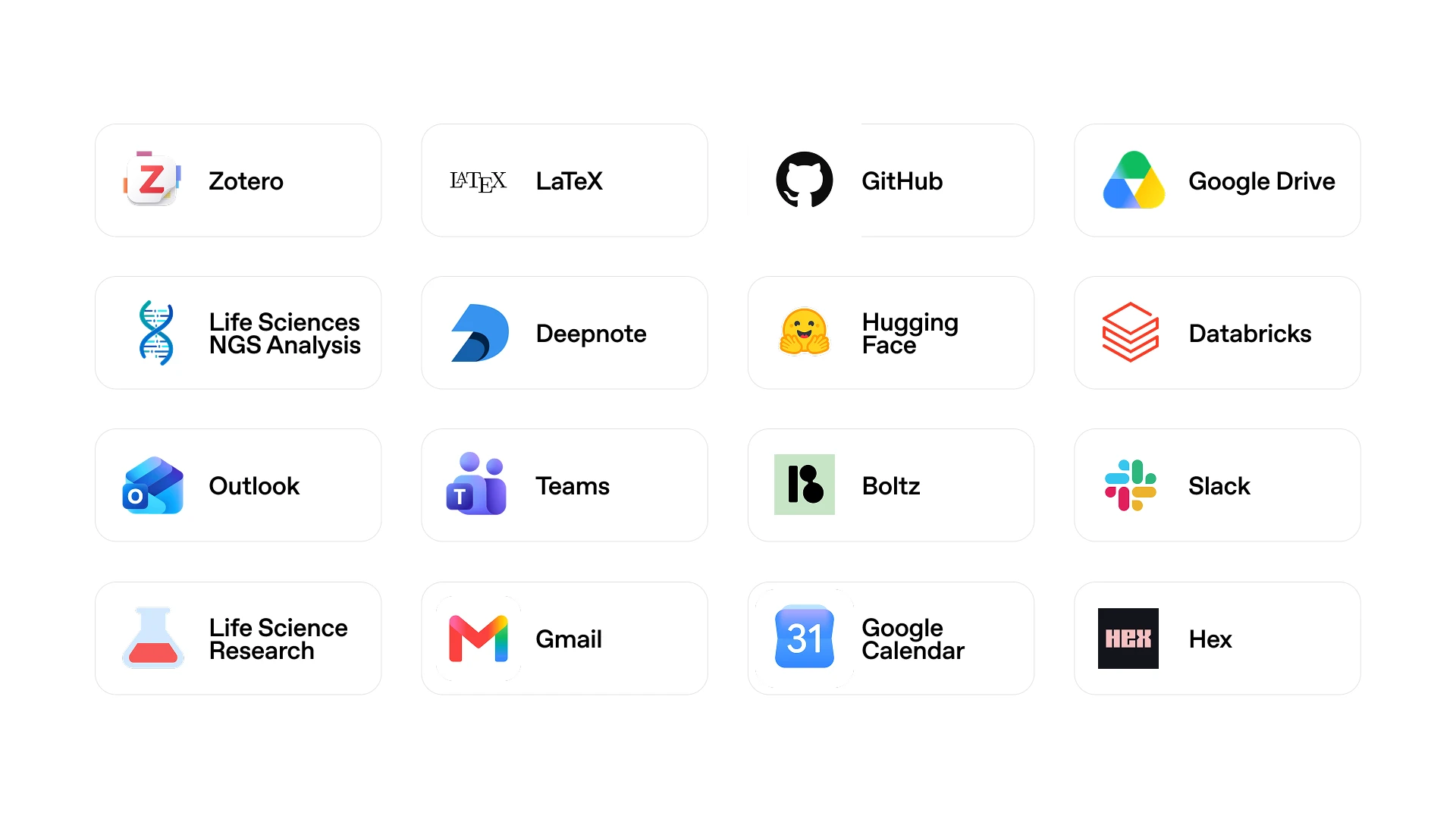
Приклади навичок, конекторів та інструментів, доступних у ChatGPT і Codex.
Codex може допомагати писати й налагоджувати код, аналізувати набори даних і створювати відтворювані робочі процеси. ChatGPT Робота може підтримувати триваліші проєкти, як-от пошук можливостей фінансування, підготовка грантових заявок, огляд літератури, написання рукописів і створення матеріалів для представлення результатів.
Дослідники матимуть різний початковий досвід роботи із ШІ. Хтось використовуватиме ці інструменти вперше, а хтось уже розроблятиме передові рішення у своїй галузі.
Програма пропонуватиме навчання для різних рівнів досвіду: від перших кроків і вдосконалення робочих процесів до передових дослідницьких застосувань. Учасники матимуть доступ до фахівців, знайомих із дослідницькими робочими процесами, зокрема отримуватимуть допомогу з інтеграцією цих інструментів у свою роботу.
Спостерігаючи за відкриттями науковців, ми плануємо створювати більше можливостей для обміну практичними підходами, взаємного навчання та представлення прикладів застосування в різних галузях. Їхні відгуки допоможуть нам зрозуміти, де наші моделі корисні, у чому мають недоліки та як зробити їх ціннішими для дослідницької спільноти.
На початковому етапі програма відкрита для дослідників із вибраних академічних установ, які відповідають вимогам. Установи, що відповідають вимогам(відкривається у новому вікні), мають бути визнаними коледжами або університетами, які присуджують наукові ступені та провадять активну дослідницьку діяльність.
Заявникам потрібно буде підтвердити свою належність до установи та надати інформацію про поточні дослідження й заплановане наукове застосування. Схвалені дослідники зможуть запросити до чотирьох колег зі своєї установи. Кожен запрошений колега також має підтвердити належність до установи, а його обліковий запис враховуватиметься в загальній кількості облікових записів програми.
Заявки можна подавати вже сьогодні. Ознайомитися з критеріями участі та подати заявку можна тут(відкривається у новому вікні).