เร่งการค้นพบทางวิทยาศาสตร์ด้วย ChatGPT for Academic Researchers
เรากำลังมอบโมเดลระดับแนวหน้าและเครื่องมือของเราให้นักวิทยาศาสตร์ นักคณิตศาสตร์ และวิศวกร 100,000 คนใช้ฟรี
อัปเดตเมื่อวันที่ 10 สิงหาคม 2569: ผู้สมัครใหม่จะเข้าสู่รายชื่อรอในระหว่างที่เราตรวจสอบใบสมัครจากรอบแรกกว่า 13,000 รายการ ซึ่งครอบคลุมสิทธิ์สำหรับนักวิจัยสูงสุด 65,000 สิทธิ์ จากนั้นเราจะใช้วิธีจับสลากในกลุ่มผู้สมัครที่ผ่านเกณฑ์เพื่อคัดเลือกผู้เข้าร่วมรุ่นแรกจำนวน 10,000 สิทธิ์ ผู้ที่ไม่ได้รับเลือกในรุ่นนี้จะยังมีสิทธิ์เข้าร่วมการคัดเลือกรอบต่อๆ ไป เมื่อเปิดรับสมัครอีกครั้งในช่วงปลายฤดูใบไม้ร่วงปีนี้ วิธีนี้จะช่วยให้เราทุ่มเทให้กับการสนับสนุนนักวิจัยกลุ่มแรกได้อย่างเต็มที่ควบคู่ไปกับการขยายโครงการ
เราเชื่อว่าประโยชน์ของ AI ระดับแนวหน้าไม่ควรกระจุกตัวอยู่เพียงในบริษัทไม่กี่แห่งและห้องปฏิบัติการที่มีทรัพยากรพร้อม ความก้าวหน้าทางวิทยาศาสตร์ขึ้นอยู่กับการที่นักวิจัยตั้งคำถามได้ตรงจุด ทดสอบแนวคิดใหม่ๆ และต่อยอดจากสิ่งที่ผู้อื่นค้นพบ บทบาทของเราคือมอบเครื่องมืออันทรงพลังแก่นักวิจัย และทำงานร่วมกับพวกเขาเพื่อออกแบบโมเดลที่ช่วยเร่งงานวิจัย โดยที่นักวิจัยยังคงควบคุมการทำงานได้
เราขอแนะนำ ChatGPT for Academic Researchers ซึ่งเป็นโครงการที่จะมอบสิทธิ์เข้าถึงโมเดลแนวหน้าของเราโดยไม่มีค่าใช้จ่ายให้แก่นักวิจัย 100,000 คนจากสถาบันการศึกษาที่ได้รับคัดเลือก โครงการนี้จะช่วยให้นักวิจัยในสาขาวิทยาศาสตร์ คณิตศาสตร์ และวิศวกรรมศาสตร์รับมือกับโจทย์ขั้นสูง เร่งการค้นพบ และเพิ่มประสิทธิภาพการทำงาน ตั้งแต่การจัดเตรียมใบสมัครขอทุนวิจัยไปจนถึงการทดสอบสมมติฐาน
เราจะเริ่มต้นกับนักวิจัย 10,000 คนในช่วงฤดูร้อนนี้ โดยเปิดให้เข้าถึงแล้วในสถาบันต่างๆ เช่น Institute for Advanced Study (IAS) และ École normale supérieure (ENS) เราวางแผนขยายโครงการให้ครอบคลุมนักวิจัย 100,000 คนภายในปี 2027 ผู้เข้าร่วมจะเข้าถึงโมเดลระดับแนวหน้าของเราได้ ซึ่งรวมถึง GPT‑5.6 Sol Pro เมื่อเปิดตัว และเชิญผู้ร่วมงานจากสถาบันเดียวกันได้สูงสุดสี่คน เวิร์กสเปซมีการคุ้มครองความเป็นส่วนตัวและความปลอดภัยระดับธุรกิจ และโดยค่าเริ่มต้นจะไม่นำข้อมูลไปใช้ฝึกโมเดลของเรา นักวิจัยสามารถใช้เครื่องมือและทักษะเพื่อสนับสนุนงานได้หลากหลาย ตั้งแต่การวิเคราะห์จีโนมและการสร้างโมเดลโปรตีน ไปจนถึงการทบทวนวรรณกรรม การเขียนคำขอทุน และการตีพิมพ์ผลงาน
โครงการนี้ยังมีการฝึกอบรม การสนับสนุนเชิงปฏิบัติ และโอกาสในการเรียนรู้จากนักวิจัยคนอื่นๆ รวมถึงแบ่งปันความคิดเห็นกับเรา
สำหรับสถาบันที่ใช้ ChatGPT Edu สิทธิ์เข้าถึงฟรีที่มอบให้ผ่านโครงการนี้จะได้รับการประสานงานผ่านเวิร์กสเปซของสถาบัน ดูข้อมูลเพิ่มเติมเกี่ยวกับ ChatGPT Edu และแนวทางที่ OpenAI ใช้สนับสนุนการอุดมศึกษา
ChatGPT for Academic Researchers เป็นส่วนหนึ่งของพันธสัญญามูลค่ากว่า 250 ล้านดอลลาร์สหรัฐจนถึงปี 2570 เพื่อสนับสนุนงานวิจัยทางวิทยาศาสตร์และการค้นพบจากภายนอกองค์กร ความมุ่งมั่นนี้รวมถึง NextGenAI ซึ่งเป็นโครงการมูลค่า 50 ล้านดอลลาร์สหรัฐของเราที่สนับสนุนสถาบันวิจัย ตลอดจนความร่วมมือของเรากับ Genesis Mission ของกระทรวงพลังงาน เพื่อนำ AI ระดับแนวหน้าไปสู่นักวิจัยในห้องปฏิบัติการแห่งชาติและมหาวิทยาลัย ความพยายามทั้งหมดนี้สะท้อนความเชื่อของเราว่า ความก้าวหน้าทางวิทยาศาสตร์จะรวดเร็วยิ่งขึ้นเมื่อนักวิจัยจำนวนมากขึ้นมีเครื่องมือสำหรับต่อยอดแนวคิดของตนเอง
AI กำลังพัฒนาเป็นเครื่องมือวิจัยที่มีความสามารถสูงขึ้นเร็วกว่าที่หลายคนคาดไว้ ในแต่ละสัปดาห์ มีผู้ใช้ ChatGPT เพื่อทำงานด้านวิทยาศาสตร์และคณิตศาสตร์ขั้นสูงประมาณ 1.3 ล้านคน ก่อให้เกิดข้อความราว 8.4 ล้านข้อความ
การเปลี่ยนแปลงนี้เห็นได้ชัดเป็นพิเศษในวงการคณิตศาสตร์ ในช่วงหกเดือนที่ผ่านมา AI เปลี่ยนจากเครื่องมือที่ใช้เป็นครั้งคราวกับโจทย์เฉพาะเรื่อง มาเป็นส่วนหนึ่งของงานวิจัยทางคณิตศาสตร์ที่ใช้กันเป็นประจำมากขึ้น ปัจจุบันมีบทความวิจัยจำนวนมากขึ้นที่ระบุถึงการมีส่วนร่วมของ ChatGPT ซึ่งสะท้อนว่านักวิจัยกำลังนำเครื่องมือเหล่านี้มาใช้ในงานอย่างรวดเร็วเพียงใด
* ข้อมูลของเดือนยังไม่ครบถ้วน ดัชนีข้อความฉบับเต็มในปัจจุบันครอบคลุมถึงวันที่ 21 กรกฎาคม
นักวิจัยใช้ ChatGPT และ Codex ในแทบทุกขั้นตอนของกระบวนการทำงานทางวิทยาศาสตร์ ChatGPT ช่วยให้นักวิจัยตรวจสอบแนวคิด แสวงหาความรู้ สร้างสมมติฐาน และสื่อสารผลการค้นพบ Codex สนับสนุนการดำเนินงานวิจัยและการวิเคราะห์อย่างเป็นทางการ รวมถึงการเขียนโค้ดและวิเคราะห์ผลลัพธ์
สัดส่วนคำขอสำหรับงานวิจัยทางวิทยาศาสตร์ แยกตามหมวดหมู่กระบวนการทำงานและผลิตภัณฑ์ วันที่ 21 มิถุนายน–20 กรกฎาคม 2026
แนวโน้มเหล่านี้เริ่มปรากฏให้เห็นในงานวิจัยแล้ว Rogerio Jorge นักฟิสิกส์และทีมงานกำลังใช้ AI พัฒนาซอฟต์แวร์โอเพนซอร์สสำหรับงานวิจัยฟิวชัน ซึ่งภาคอุตสาหกรรมและห้องปฏิบัติการแห่งชาติใช้ในการออกแบบอุปกรณ์พลังงานฟิวชัน ในสาขาวิทยาการคอมพิวเตอร์เชิงทฤษฎี นักวิจัย Barna Saha, Yinzhan Xu และ Christopher Ye ใช้ GPT‑5.5 Pro พัฒนาบทพิสูจน์ที่กำหนดขีดจำกัดใหม่ด้านประสิทธิภาพในการแก้ปัญหาเรขาคณิตมิติสูงของคอมพิวเตอร์ ก่อนจะตรวจสอบความถูกต้องและปรับปรุงผลลัพธ์ด้วยตนเอง
นักวิจัยที่ใช้เครื่องมือเหล่านี้อย่างเข้มข้นที่สุดยังเลือกทำงานที่ท้าทายยิ่งขึ้นด้วย นักวิจัยที่อยู่ในกลุ่ม 20% แรกด้านการใช้งาน AI ภายในสาขาของตน มีแนวโน้มขอให้ AI ทำงานที่คาดว่าจะต้องใช้เวลาสี่ชั่วโมงขึ้นไปมากกว่าเพื่อนร่วมสาขาเกือบสองเท่า โดยคิดเป็นเกือบ 7% ของคำขอ เทียบกับ 3.5% ของนักวิจัยคนอื่นๆ ในสาขาเดียวกัน
สัดส่วนคำขอทางวิทยาศาสตร์ตามเวลาทำงานจริงของมนุษย์โดยประมาณและระดับการใช้งาน AI ของนักวิทยาศาสตร์ วันที่ 21 มิถุนายน–20 กรกฎาคม 2026
กลยุทธ์ของเราไม่ใช่การตัดสินว่าโจทย์ทางวิทยาศาสตร์ใดควรได้รับความสนใจ หรือพยายามแก้ทุกโจทย์ด้วยตัวเราเอง แต่คือการมอบเครื่องมือที่มีประสิทธิภาพให้แก่ชุมชนนักวิจัย และเปิดโอกาสให้นักวิจัยศึกษาคำถามที่ตนเข้าใจดีที่สุด
ผู้เข้าร่วมจะได้รับสิทธิ์เข้าถึงโมเดลระดับแนวหน้าของเราผ่าน ChatGPT, ChatGPT Work และ Codex ฟรี ซึ่งรวมถึงโมเดลตระกูล GPT‑5.6 เมื่อเปิดตัว นอกจากนี้ยังได้รับสิทธิ์ใช้การวิจัยเชิงลึกมากขึ้น ขีดจำกัดการใช้งานที่สูงขึ้น และหน้าต่างบริบทที่ใหญ่ขึ้น ความสามารถเหล่านี้ช่วยสนับสนุนการให้เหตุผลทางวิทยาศาสตร์ การดำเนินงานโดยเอเจนต์ และกระบวนการวิจัยในหลากหลายสาขา
GPT‑5.6 Terra สร้างสมดุลระหว่างความสามารถกับประสิทธิภาพสำหรับงานวิจัยทั่วไป GPT‑5.6 Luna ตอบสนองได้เร็วขึ้นสำหรับงานที่ไม่ซับซ้อนมาก ส่วน GPT‑5.6 Sol รับมือกับโจทย์วิทยาศาสตร์และคณิตศาสตร์ที่ยากที่สุด ในการทดสอบ FrontierMath Tier 4 ซึ่งวัดการให้เหตุผลทางคณิตศาสตร์ระดับงานวิจัย GPT‑5.6 Sol ทำคะแนนได้ 83% เทียบกับ 72.5% ของ GPT‑5.5 ในการทดสอบ GeneBench Pro ซึ่งประเมินการวิเคราะห์ข้อมูลชีววิทยาที่ซับซ้อนและการให้เหตุผลทางวิทยาศาสตร์ GPT‑5.6 Sol Pro แก้โจทย์ได้ 31.5%
นักวิจัยสามารถใช้ทักษะด้านวิทยาศาสตร์ชีวภาพ(เปิดในหน้าต่างใหม่)มากกว่า 75 รายการ ครอบคลุมพันธุศาสตร์ จีโนมิกส์ การหาลำดับเบส การวิเคราะห์เซลล์เดี่ยว การสร้างโมเดลโปรตีน และการค้นคว้ายา ตัวเชื่อมต่อช่วยสนับสนุนงานวิจัยในหลากหลายสาขา โดยเปิดให้เข้าถึงวรรณกรรมทางวิทยาศาสตร์ ฐานข้อมูลจีโนมและข้อมูลทางคลินิกสาธารณะ ภาพถ่ายดาวเทียม สมุดบันทึกเชิงคำนวณ แพลตฟอร์มข้อมูล และโปรแกรมจัดการเอกสารอ้างอิง
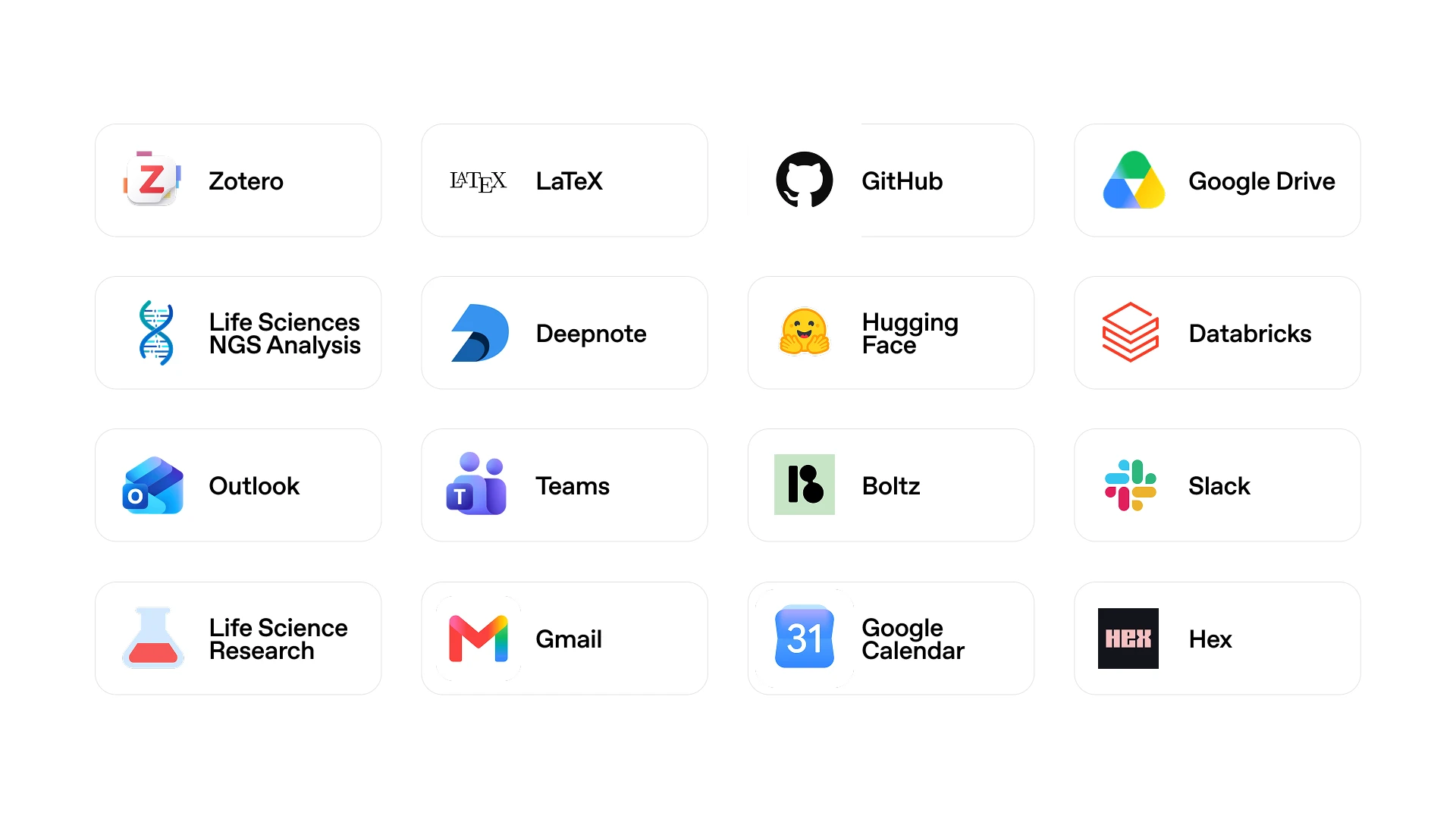
ตัวอย่างทักษะ ตัวเชื่อมต่อ และเครื่องมือที่มีให้ใช้งานใน ChatGPT และ Codex
Codex ช่วยเขียนและแก้ไขข้อบกพร่องของโค้ด วิเคราะห์ชุดข้อมูล และสร้างกระบวนการทำงานที่ทำซ้ำได้ ChatGPT Work ช่วยสนับสนุนโครงการระยะยาว เช่น การค้นหาโอกาสรับทุน การเตรียมคำขอทุน การทบทวนวรรณกรรม การร่างต้นฉบับ และการสร้างสื่อเพื่อนำเสนอผลลัพธ์
นักวิจัยแต่ละคนมีพื้นฐานการใช้ AI แตกต่างกัน บางคนอาจเพิ่งใช้เครื่องมือเหล่านี้เป็นครั้งแรก ขณะที่บางคนอาจกำลังพัฒนาแอปพลิเคชันขั้นสูงในสาขาของตน
โครงการจะจัดการฝึกอบรมที่เหมาะกับประสบการณ์แต่ละระดับ ตั้งแต่การเริ่มต้นใช้งานและปรับปรุงกระบวนการทำงาน ไปจนถึงการประยุกต์ใช้ในงานวิจัยขั้นสูง ผู้เข้าร่วมจะเข้าถึงผู้เชี่ยวชาญที่คุ้นเคยกับกระบวนการวิจัยได้ รวมถึงรับความช่วยเหลือในการนำเครื่องมือเหล่านี้ไปผสานกับงานของตน
เมื่อเราได้เห็นสิ่งที่นักวิจัยค้นพบ เรามีแผนสร้างโอกาสเพิ่มเติมให้นักวิจัยแบ่งปันแนวทางปฏิบัติ เรียนรู้จากกันและกัน และนำเสนอกรณีการใช้งานในหลากหลายสาขา ความคิดเห็นของพวกเขาจะช่วยให้เราเข้าใจว่าโมเดลของเรามีประโยชน์ในด้านใด ยังมีข้อจำกัดตรงไหน และควรพัฒนาอย่างไรให้มีคุณค่าต่อชุมชนนักวิจัยมากขึ้น
โครงการระยะแรกเปิดรับนักวิจัยที่มีคุณสมบัติตามเกณฑ์จากสถาบันการศึกษาที่ได้รับคัดเลือก สถาบันที่มีสิทธิ์(เปิดในหน้าต่างใหม่)ต้องเป็นวิทยาลัยหรือมหาวิทยาลัยที่ได้รับการรับรอง มีอำนาจมอบปริญญา และมีกิจกรรมวิจัยในระดับสูง
ผู้สมัครต้องยืนยันความเกี่ยวข้องกับสถาบัน และให้ข้อมูลเกี่ยวกับงานวิจัยที่กำลังดำเนินการและวัตถุประสงค์การใช้งานทางวิทยาศาสตร์ นักวิจัยที่ได้รับอนุมัติสามารถเชิญผู้ร่วมงานจากสถาบันเดียวกันได้สูงสุดสี่คน ผู้ร่วมงานแต่ละคนต้องยืนยันความเกี่ยวข้องกับสถาบันเช่นกัน และจะนับรวมในจำนวนบัญชีทั้งหมดของโครงการ
เปิดรับสมัครแล้ววันนี้ คุณสามารถตรวจสอบเกณฑ์คุณสมบัติและสมัครได้ที่นี่(เปิดในหน้าต่างใหม่)