Accelerating scientific discovery
Our most advanced AI helps researchers explore new ideas, connect evidence, analyze data, and move from questions to answers faster across mathematics, physics, biology, chemistry, and beyond.
Pushing the frontiers of theoretical and applied science
We believe AI should help every researcher make new discoveries. That’s why we work alongside the scientific community to see how our models can contribute to meaningful scientific problems.
Tools that work across the research process
Use our models and tools to move between scientific questions, technical workflows, and the practical work that keeps research moving.
Explore literature and evidence
Search across papers and public research resources, synthesize findings, evaluate citations, and identify questions worth investigating.
Analyze data and write code
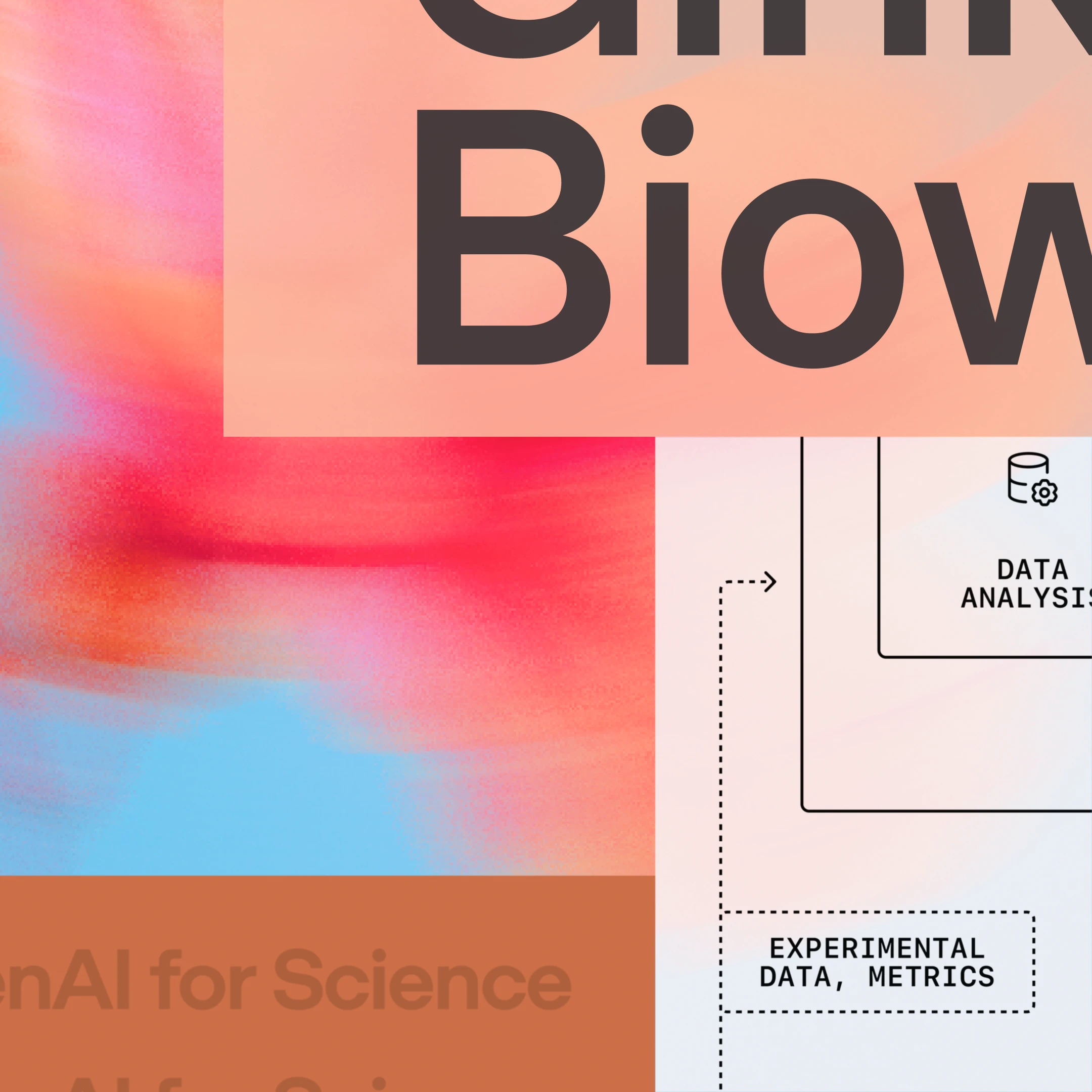
Work with complex datasets, write and debug analysis code, build reproducible workflows, and manage research pipelines.
Model scientific problems
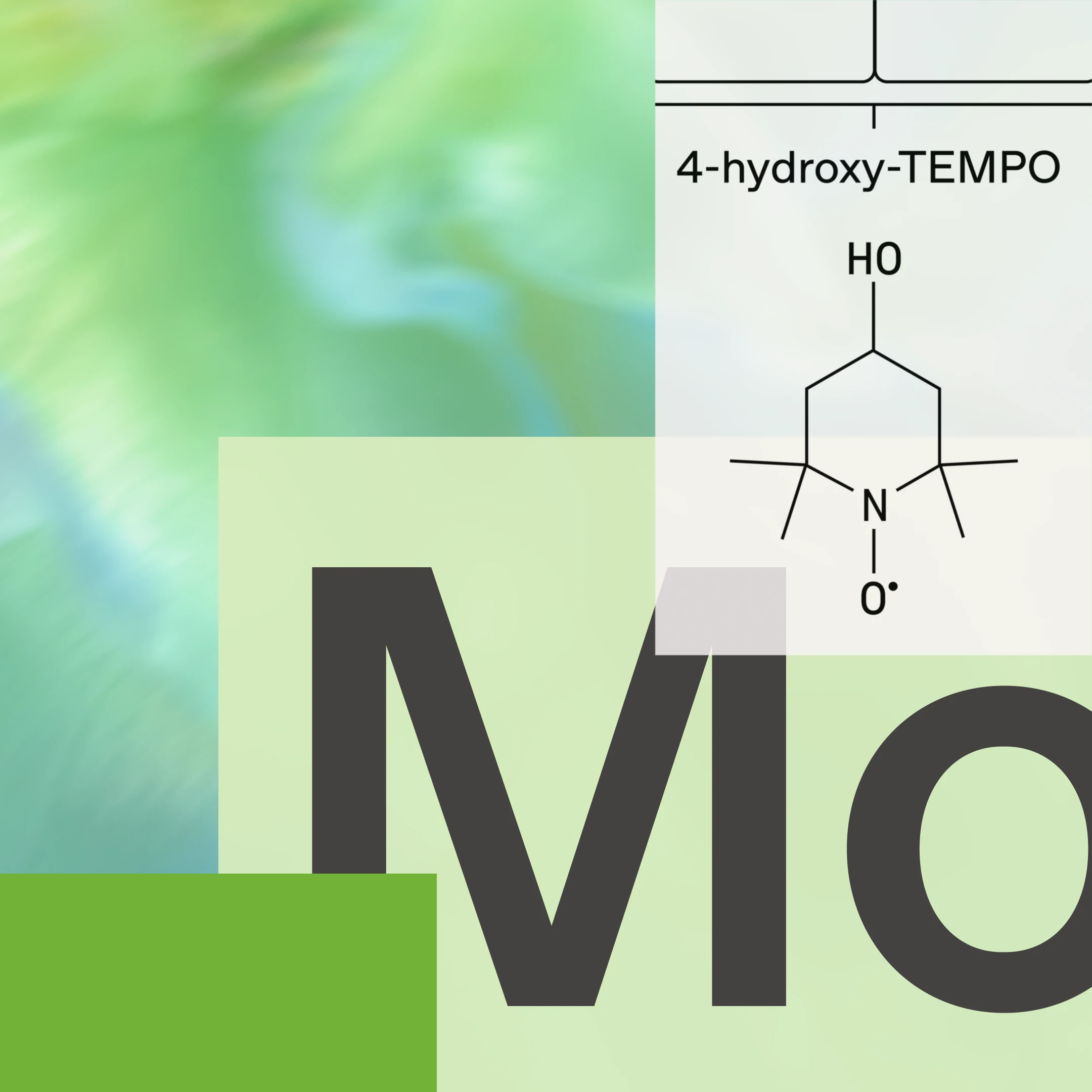
Explore mathematical ideas, support simulations, investigate molecular structures, and reason across scientific disciplines.
Connect existing research tools
Bring in scientific databases, computational notebooks, reference managers, data platforms, and other tools researchers already use.
Move from ideas to experiments
Compare hypotheses, investigate potential mechanisms, and develop plans for researchers to evaluate and test.
Handle the work surrounding science
Find funding opportunities, prepare grant applications, draft manuscripts, manage citations, and create presentations and other research materials.
Built with scientists, for the benefit of people

GPT-Rosalind
Our purpose-built life-science model helps qualified research organizations reason across biological evidence, scientific data, specialized tools, and complex workflows in areas such as genomics and drug discovery.
GPT-6
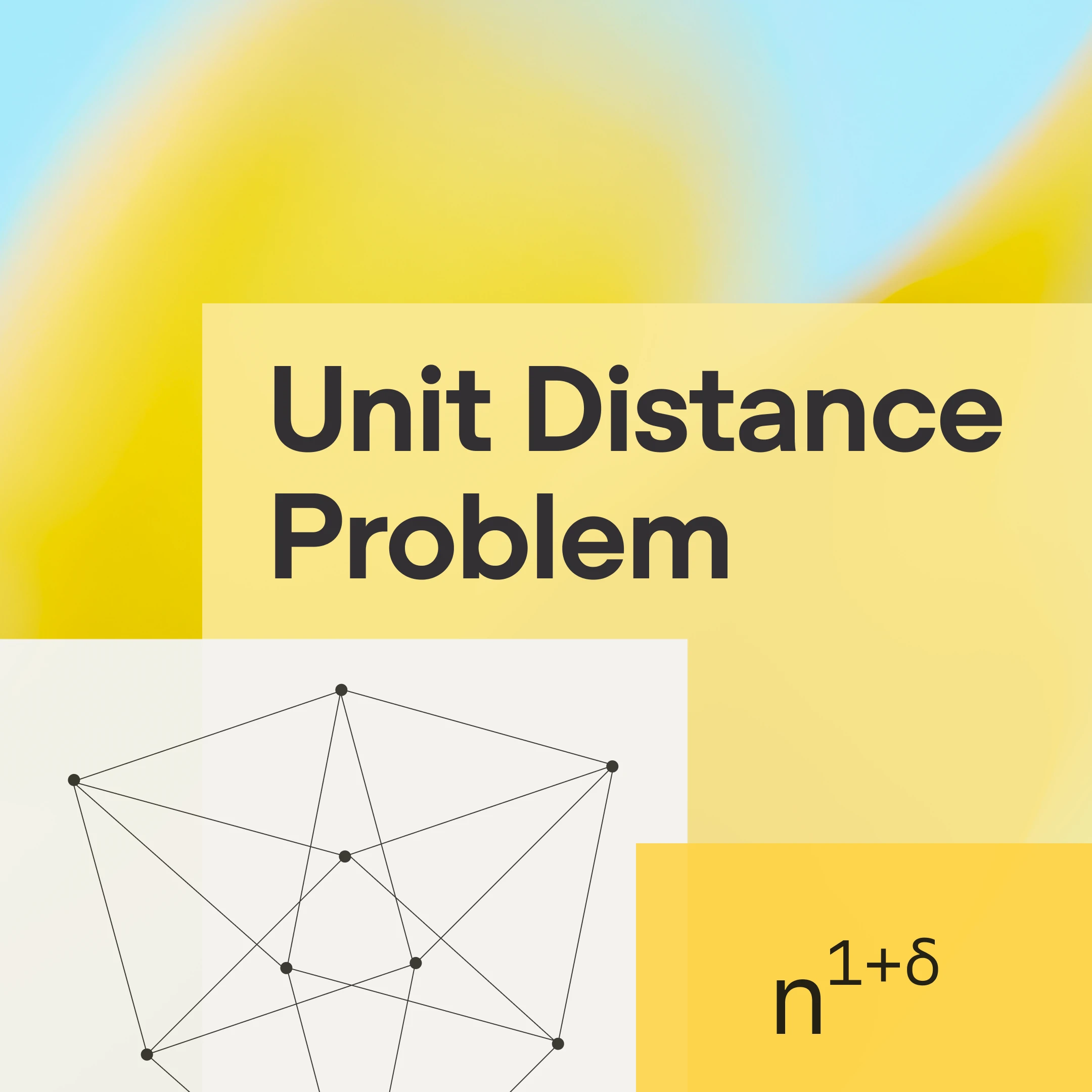
GPT‑6 Astra combines advanced scientific reasoning with state-of-the-art coding and computer use to help researchers tackle demanding problems. With a 98% score on FrontierMath Tier 4, Astra has already helped solve long-standing open problems in mathematics.
ChatGPT & ChatGPT Work
Bring papers, files, data, and day-to-day research into one place, and use specialized plugins to connect ChatGPT to the data, literature, and tools relevant to your field. Explore questions, synthesize findings, prepare grant applications, and help research teams move discoveries forward.
ChatGPT for Academic Researchers
We’re giving researchers across the sciences and mathematics free access to our most advanced models through ChatGPT Pro.
Helping researchers move from questions to discoveries
Scientists and mathematicians are already using AI to investigate difficult problems, explore new approaches, and accelerate their work.