Rosalind
Connecting frontier AI and scientific tools to advance life sciences.
Trusted by leading innovators in life sciences
Rosalind is OpenAI’s life sciences brand, bringing the GPT‑Rosalind model to researchers through Rosalind Workbench, an orchestrated workspace for accelerating scientific research.
GPT‑Rosalind: Advanced model intelligence for life sciences
Work through scientific questions with GPT‑Rosalind, a purpose-built model for life sciences research, now with expanded access for eligible organizations pursuing specialized life sciences research.


Use GPT‑Rosalind in Codex
Use Codex to connect your scientific tools, data, and evidence to build research workflows your team can review, share, and reuse.
Tested on life sciences research tasks
- 53.7%
Genebench
increase in performance per token
- 18.0%
Medchem Bench
increase in performance per token
- 19.6%
Labworkbench
increase in performance per token
- 4.42%
LifeSci Bench
increase in performance per token
Rosalind empowers each scientist to become their own research team
Get started with Rosalind Workbench: download it, open it in Codex, or build with the GPT‑Rosalind API.

Start with Rosalind Workbench
Best for scientists who don’t yet have Codex installed. Visit the dedicated download page to get set up with ChatGPT Rosalind and start your research.

Rosalind Workbench in Codex
Best for scientists already using Codex. Open Rosalind Workbench directly in Codex and get started with your research straight away.

GPT-Rosalind API
Best for integrating specialized life sciences reasoning into your own research applications, internal tools, and governed workflows.
Rosalind Workbench is in research preview, with an orchestrated set of scientific tools connected in one workspace to support your scientific workflows.
GPT‑Rosalind API access is subject to eligibility review and organizational approval.
Built for the life sciences research workflow
Start with guided sequencing analysis in Rosalind Workbench and explore broader research tasks with connected scientific tools—from reviewing evidence to planning the next experiment.
Interrogate sequencing data
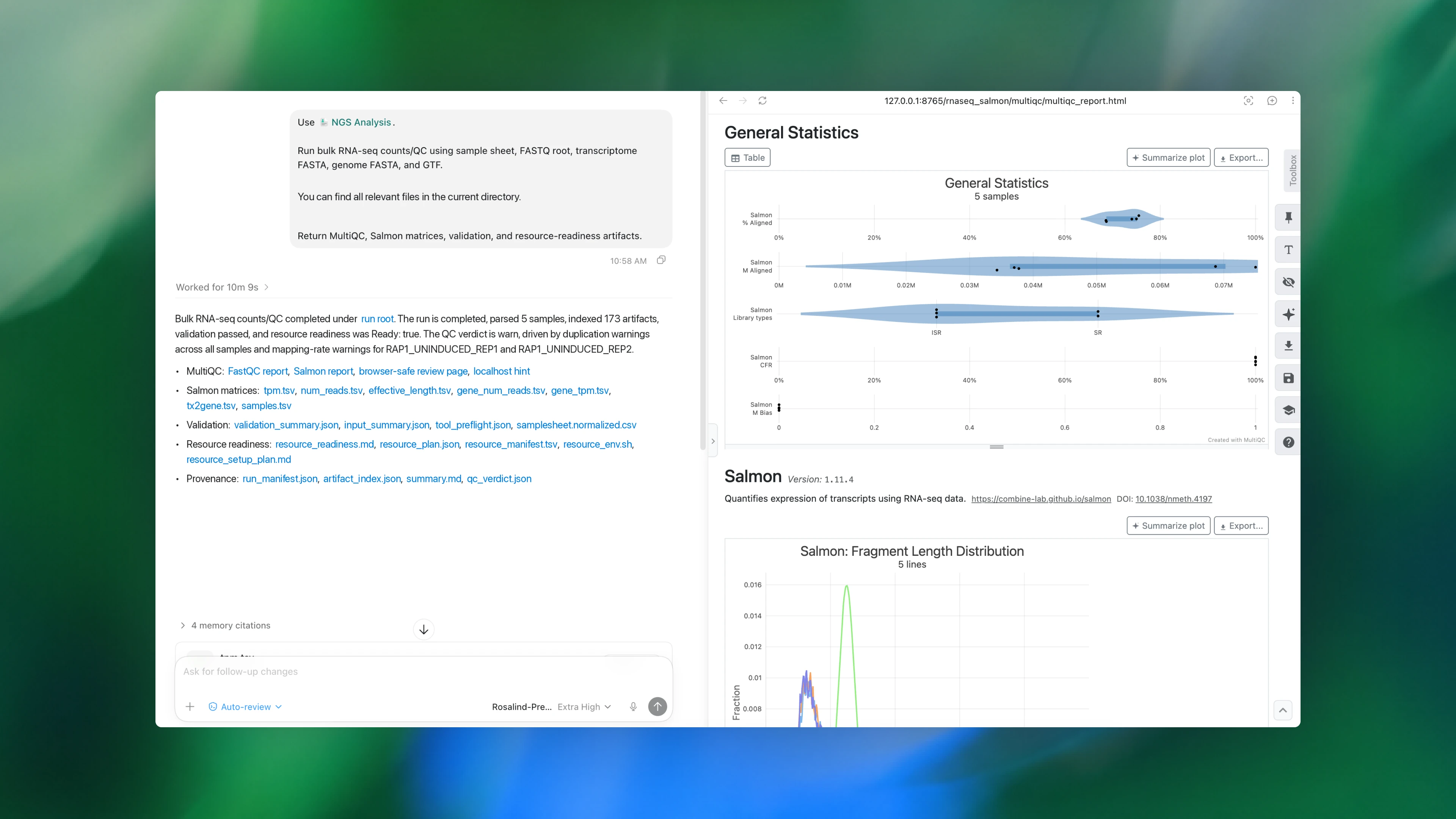
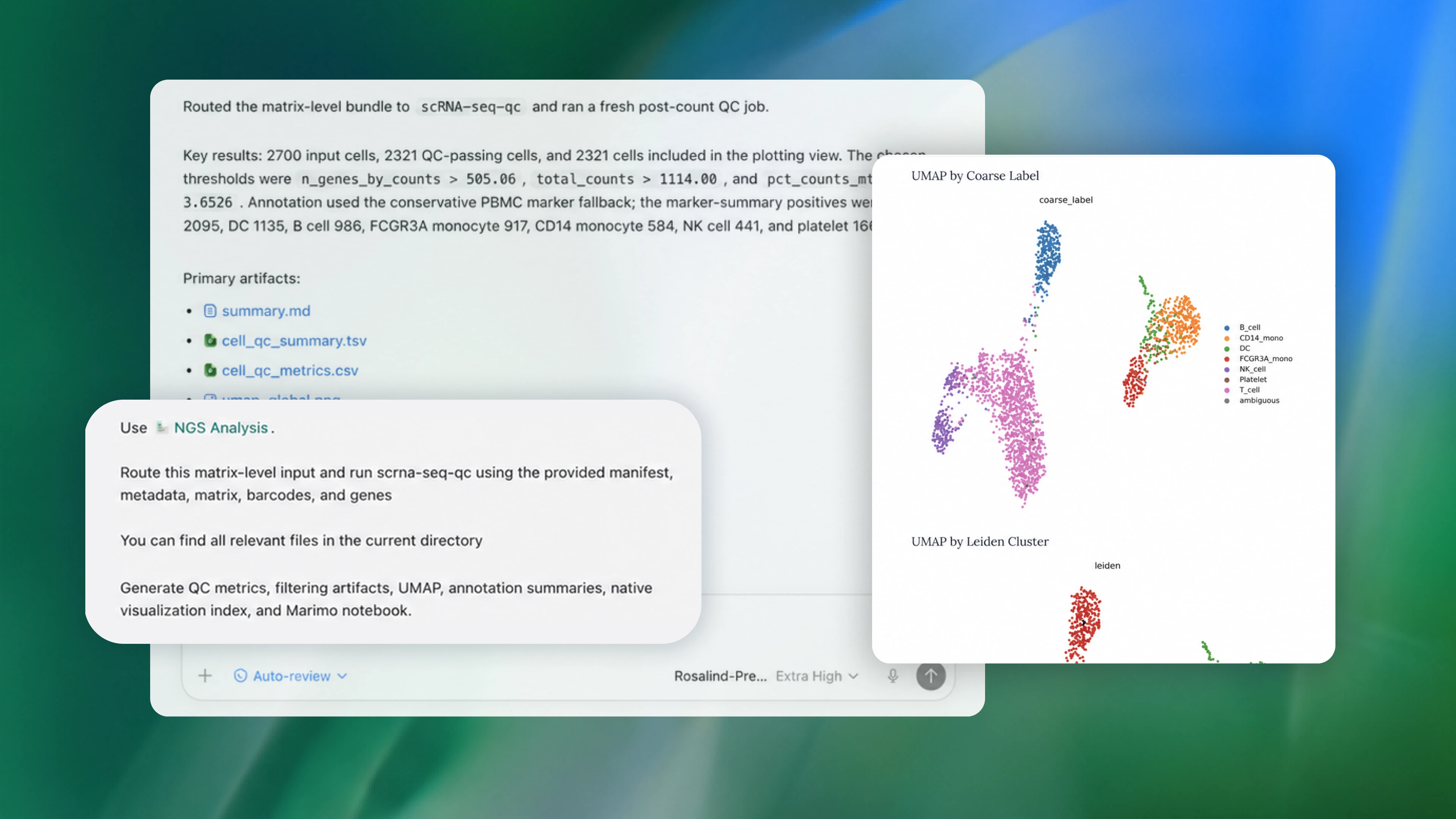
Bring sequencing files and sample details into an NGS workflow. Check inputs, approve the analysis plan, follow the run, and inspect QC metrics and saved outputs before choosing the next biological question.
Synthesize scientific evidence
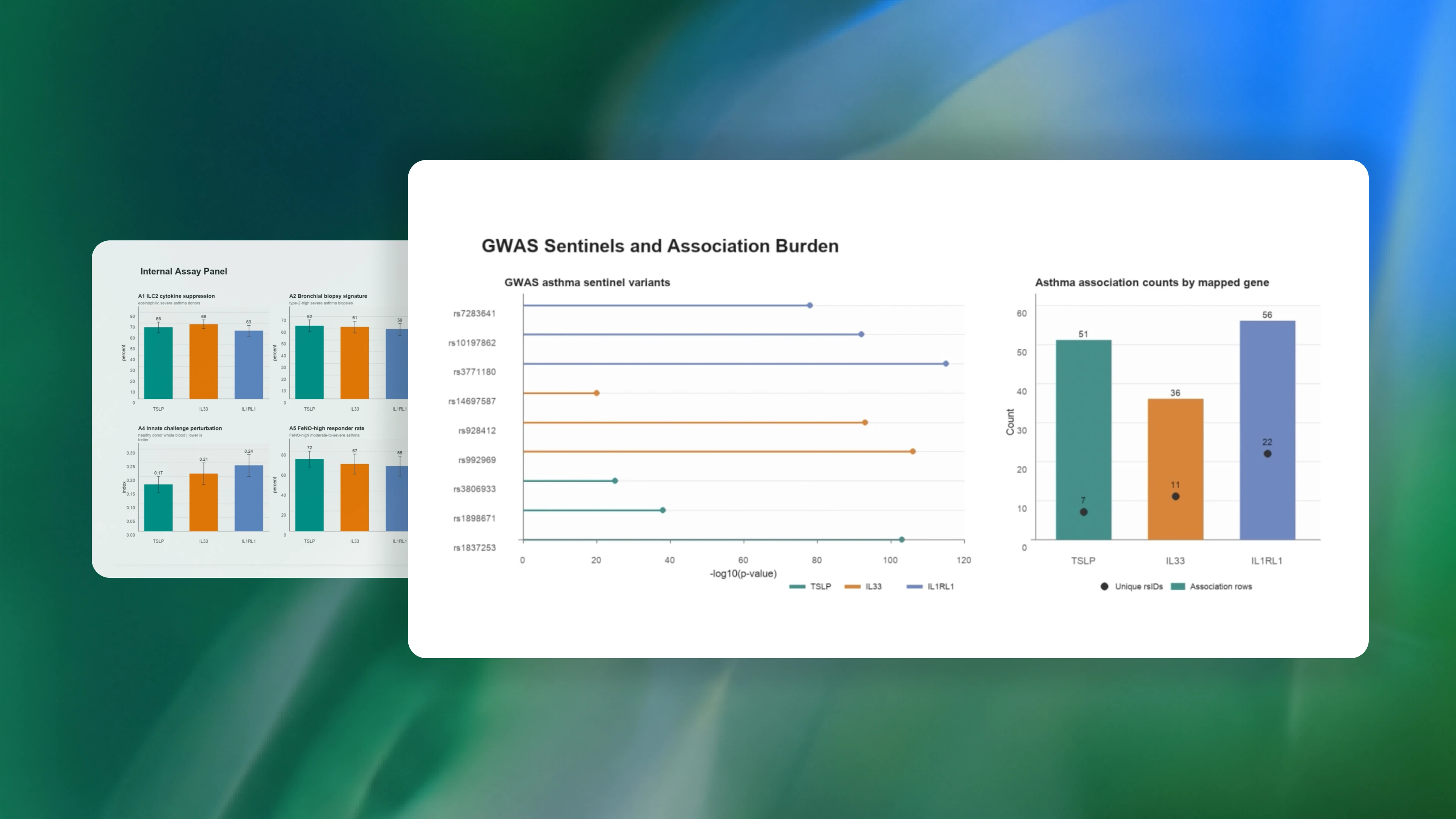
Bring together papers, trusted biology data, and your own results. See where the evidence agrees, spot what’s missing, and decide which biological question or experiment to pursue next.
Choose promising biological targets
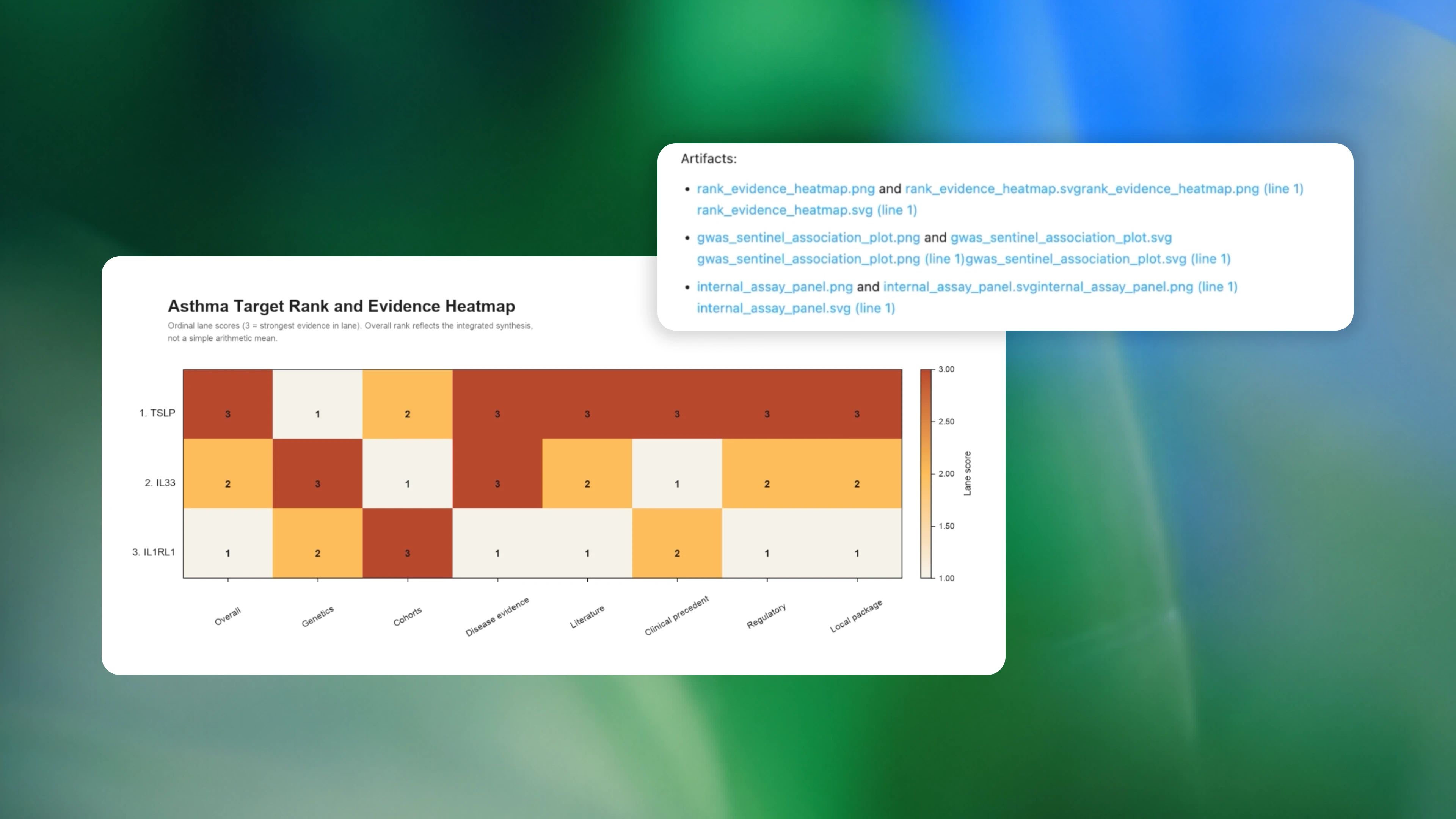
Weigh genetics, expression, pathways, and disease evidence to compare candidate targets, explain the rationale, and identify where further validation is needed.
Understand proteins and variants
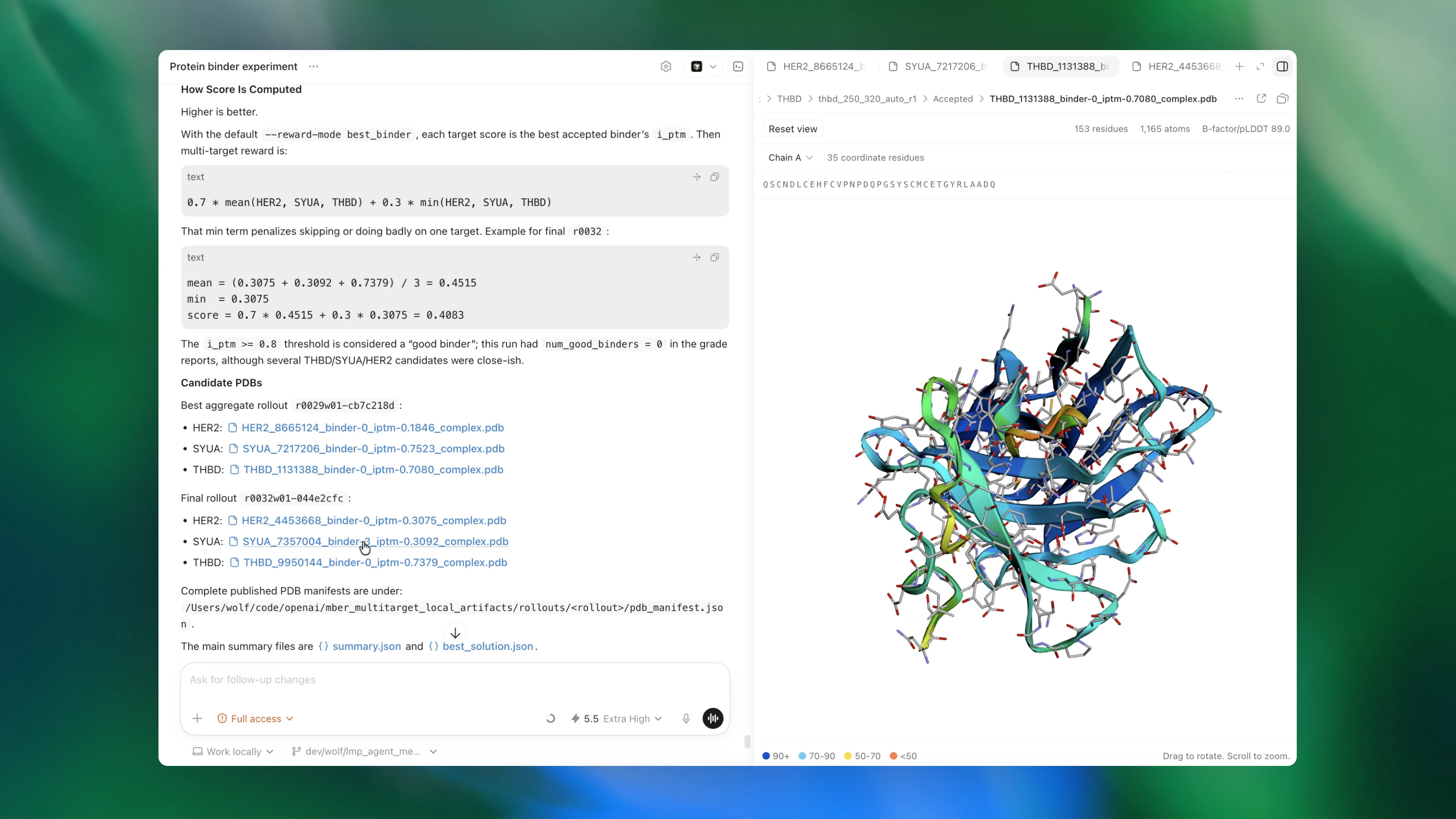
Explore sequences, alignments, and structures side by side. See how variants could change protein function or interactions, review the evidence, and choose the next experiment to run.
Compare molecular candidates
Compare molecular properties, structure–activity relationships, and published findings to weigh candidate trade-offs and identify the next research step.
Plan and refine experiments
Turn reviewed findings into testable hypotheses and follow-up plans. Review controls, troubleshoot protocols, and surface assumptions and limitations before taking the work back to the lab.
What our partners are saying



Strengthening biological preparedness
Rosalind Biodefense supports trusted developers and public-health teams building defensive applications with GPT‑Rosalind. Focus areas include early detection, preparedness, diagnostics, response, and medical countermeasures.