A OpenAI está oferecendo US$ 1 bilhão em créditos do Daybreak para equipes de defesa
Construindo o futuro da defesa cibernética
O trabalho de cibersegurança que antes exigia ferramentas especializadas, investigações e muitos repasses entre equipes agora pode ser dividido em milhares de etapas de raciocínio e executado por modelos capazes.
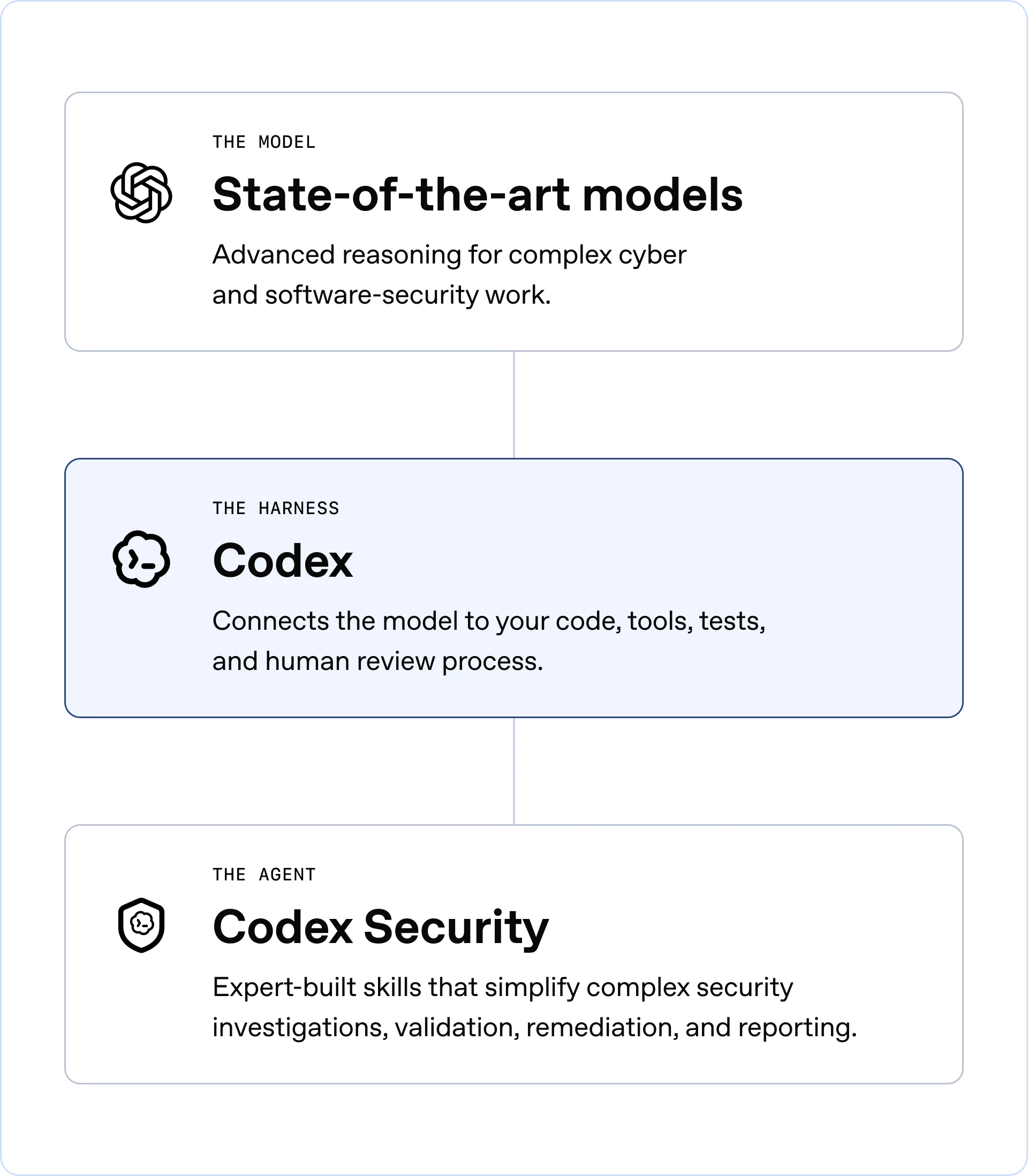
O Daybreak transforma essa capacidade em um conjunto de tecnologias de defesa cibernética com governança: modelos de ponta, a estrutura de execução do Codex, o Codex Security, fluxos de trabalho confiáveis e parceiros do ecossistema. Assim, as equipes de defesa podem reduzir riscos mais rapidamente, mantendo o acesso confiável e as ações sob controle humano.
Transforme a defesa em um ciclo contínuo
O Daybreak oferece um ciclo de defesa com agentes de IA: inventariar, descobrir, validar, atribuir responsáveis, remediar e comprovar. Juntos, o Codex Security, os modelos GPT Cyber, o Patch the Planet(abre em uma nova janela) e a Daybreak Defense Network levam recursos de defesa com governança às ferramentas e aos fluxos de trabalho que as equipes já usam.
Governança desde a concepção
Os modelos de ponta conseguem executar sequências cada vez mais longas e complexas de tarefas de cibersegurança. O Daybreak foi desenvolvido para colocar essa capacidade nas mãos das equipes de defesa de forma responsável, com julgamento humano, monitoramento, salvaguardas e colaboração da comunidade. Por meio do Daybreak Access, equipes de defesa verificadas podem acessar ferramentas de defesa mais avançadas e com menos restrições, combinadas com verificação mais rigorosa, controles de escopo e supervisão.
Desenvolvido para os desafios do seu trabalho
SDLC seguro / AppSec
Identifique, valide e corrija vulnerabilidades antes do lançamento do software.
Operações de defesa
Investigue ameaças, aprimore as detecções e apoie a resposta.
Testes de segurança autorizados
Teste sistemas com autorização para identificar e corrigir falhas com antecedência.
Desenvolvido com equipes de defesa de referência
O Daybreak trabalha em parceria com empresas líderes em segurança, integradores de sistemas e empresas especializadas para levar a IA de ponta às ferramentas e aos fluxos de trabalho em que os defensores já confiam.
Torne-se parceiro do Daybreak
Trabalhe com a OpenAI para integrar os modelos GPT Cyber às suas soluções de segurança.
Trabalhe com um parceiro do Daybreak
Integre o GPT Cyber às ferramentas e aos serviços que sua organização já usa.
Daybreak para as equipes de defesa na linha de frente que mais precisam dele
A OpenAI está destinando US$ 1 bilhão para subsidiar o acesso ao Daybreak ao longo de seis meses e ajudar a proteger os serviços essenciais e a infraestrutura digital de que todos dependemos.
Governos estaduais e locais, operadores de infraestrutura crítica, bancos comunitários, organizações sem fins lucrativos e mantenedores de projetos de código aberto podem registrar interesse em receber apoio para identificar, priorizar e corrigir vulnerabilidades de segurança.
Corrigindo o software que faz o mundo funcionar
O código aberto sustenta grande parte da internet e cerca de 70% a 90% dos softwares modernos(abre em uma nova janela). No entanto, muitos projetos críticos são mantidos por equipes pequenas, com tempo e financiamento limitados.
A OpenAI quer que as pessoas que mantêm essa infraestrutura compartilhada se beneficiem diretamente da IA de ponta — e não sejam sobrecarregadas por mais relatórios não validados.
O Patch the Planet, desenvolvido com a Trail of Bits, combina modelos de ponta com revisão especializada para validar achados, desenvolver e testar patches, coordenar a divulgação e deixar nas mãos dos mantenedores a decisão sobre o que será incorporado.
O que os defensores conquistaram
Compromisso com uma maior resiliência cibernética
US$ 17 milhões
Créditos de API e suporte direto à segurança de código aberto e ao ecossistema de mantenedores em geral.
Bases de código em análise
41
Projetos de código aberto que contam com pesquisa assistida por IA e revisão por especialistas em segurança.
Problemas identificados
858
Achados apresentados para validação, priorização e divulgação coordenada.
Patches produzidos
263
Correções pontuais desenvolvidas e testadas antes da revisão pelos mantenedores.
Patches aceitos no upstream
143
Correções aceitas pelos mantenedores para inclusão nos projetos sob sua responsabilidade.
O compromisso da OpenAI inclui créditos de API e suporte direto ao trabalho com Trail of Bits, Calif, Linux Arkrites e o ecossistema de mantenedores em geral.
Novidades do Daybreak
Acompanhe nossos aprendizados técnicos, patches e iniciativas no ecossistema à medida que forem publicados.