Zinātnisko atklājumu paātrināšana ar ChatGPT akadēmiskajiem pētniekiem
Mēs bez maksas nododam savus robežšķirtnes modeļus un rīkus 100 000 zinātnieku, matemātiķu un inženieru rīcībā.
Atjauninājums 2026. gada 10. augustā: Jaunie pretendenti tagad tiks iekļauti gaidīšanas sarakstā, kamēr mēs izskatīsim vairāk nekā 13 000 pirmā viļņa pieteikumu – kas pārstāv līdz 65 000 pētnieku vietu – un izlozes kārtībā no atbilstošajiem pretendentiem atlasīsim sākotnējo 10 000 vietu grupu. Tie, kuri netiks atlasīti šajā grupā, joprojām būs tiesīgi piedalīties turpmākajās atlases kārtās, kad pieteikšanās atkal tiks atvērta vēlāk šoruden. Tas ļaus mums koncentrēties uz atbalsta sniegšanu pirmajai pētnieku grupai programmas paplašināšanas gaitā.
Mēs uzskatām, ka robežšķirtnes MI sniegtās priekšrocības nedrīkst koncentrēties dažu uzņēmumu un labi finansētu laboratoriju rokās. Zinātnes progress ir atkarīgs no tā, vai pētnieki uzdod pareizos jautājumus, pārbauda jaunas idejas un turpina citu iesākto. Mūsu uzdevums ir nodot pētniekiem jaudīgus rīkus un kopā ar viņiem izstrādāt modeļus, kas paātrina pētniecību, vienlaikus saglabājot kontroli pētnieku rokās.
Mēs ieviešam programmu ChatGPT akadēmiskajiem pētniekiem, kas nodrošinās 100 000 pētniekiem izvēlētās akadēmiskajās iestādēs bezmaksas piekļuvi mūsu robežšķirtnes modeļiem. Šī programma palīdzēs pētniekiem dažādās zinātnes, matemātikas un inženierzinātņu jomās risināt sarežģītas problēmas, paātrināt atklājumus un uzlabot produktivitāti – sākot no grantu pieteikumu sagatavošanas līdz hipotēžu pārbaudīšanai.
Šovasar sākam ar 10 000 pētnieku, un piekļuve jau ir pieejama tādās iestādēs kā Institute for Advanced Study (IAS) un École normale supérieure (ENS). Līdz 2027. gada beigām plānojam programmu paplašināt līdz 100 000 pētnieku. Dalībniekiem būs pieejami mūsu robežšķirtnes modeļi, tostarp programmas sākumā GPT‑5.6 Sol Pro, un viņi varēs uzaicināt līdz četriem līdzstrādniekiem no savas iestādes. Darbvietās ir nodrošināta uzņēmumu līmeņa privātuma un drošības aizsardzība, un pēc noklusējuma dati netiek izmantoti mūsu modeļu apmācībai. Pētnieki var izmantot rīkus un prasmes visdažādākajiem darbiem — no genomikas analīzes un olbaltumvielu modelēšanas līdz literatūras apskatiem, grantu pieteikumu rakstīšanai un publikāciju sagatavošanai.
Programma ietver arī apmācību, praktisku atbalstu un iespējas mācīties no citiem pētniekiem un sniegt mums atsauksmes.
Iestādēs, kas izmanto ChatGPT Edu, šajā programmā piešķirtā bezmaksas piekļuve tiks koordinēta iestādes darbvietā. Uzziniet vairāk par ChatGPT Edu un OpenAI atbalstu augstākajai izglītībai.
Programma ChatGPT akadēmiskajiem pētniekiem ir daļa no apņemšanās līdz 2027. gada beigām ieguldīt vairāk nekā 250 miljonus ASV dolāru ārējās zinātniskās pētniecības un atklājumu atbalstam. Tas ietver NextGenAI — mūsu 50 miljonu ASV dolāru iniciatīvu pētniecības iestāžu atbalstam — un sadarbību ar Enerģētikas departamenta Genesis misiju, lai robežšķirtnes MI nonāktu pie pētniekiem valsts laboratorijās un universitātēs. Visi šie centieni atspoguļo mūsu pārliecību, ka zinātnes progress paātrinās, ja vairāk pētnieku var izmantot rīkus savu ideju īstenošanai.
MI kļūst par arvien jaudīgāku pētniecības rīku ātrāk, nekā daudzi bija paredzējuši. Ik nedēļu aptuveni 1,3 miljoni cilvēku izmanto ChatGPT padziļinātiem dabaszinātņu un matemātikas uzdevumiem, kopā nosūtot aptuveni 8,4 miljonus ziņojumu.
Šīs pārmaiņas ir īpaši pamanāmas matemātikā. Pēdējo sešu mēnešu laikā MI no reizēm izmantota rīka atsevišķu uzdevumu risināšanai ir kļuvis par regulāru matemātiskās pētniecības daļu. Arvien vairāk publikāciju tagad atzīst ChatGPT ieguldījumu, apliecinot, cik strauji pētnieki ievieš šos rīkus savā darbā.
* Nepilns mēnesis; pilnteksta indekss pašlaik aptver laikposmu līdz 21. jūlijam.
Pētnieki izmanto ChatGPT un Codex gandrīz visos zinātniskā darba posmos. ChatGPT palīdz pētniekiem izvērtēt idejas, iegūt zināšanas, izvirzīt hipotēzes un informēt par saviem atklājumiem. Codex palīdz veikt pētniecību un formālo analīzi, tostarp rakstīt kodu un analizēt rezultātus.
Zinātniskās pētniecības pieprasījumu īpatsvars pēc zinātniskā darba plūsmas kategorijas un produkta, 2026. gada 21. jūnijs–20. jūlijs
Šīs tendences jau izpaužas pētniecībā. Fiziķis Rogerio Jorge un viņa komanda izmanto MI, lai izstrādātu atvērtā pirmkoda programmatūru kodolsintēzes pētniecībai, ko nozare un valsts laboratorijas izmanto kodolsintēzes enerģijas iekārtu projektēšanai. Teorētiskajā datorzinātnē pētnieki Barna Saha, Yinzhan Xu un Christopher Ye izmantoja GPT‑5.5 Pro, lai izstrādātu pierādījumu, kas nosaka jaunus ierobežojumus tam, cik efektīvi datori var atrisināt daudzdimensiju ģeometrijas uzdevumus, un pēc tam paši pārbaudīja un pilnveidoja rezultātus.
Pētnieki, kuri šos rīkus izmanto visintensīvāk, uzņemas arī vērienīgākus darbus. Savā jomā MI lietojuma ziņā aktīvākie 20% pētnieku gandrīz divreiz biežāk nekā kolēģi uztic MI uzdevumus, kuru izpildei cilvēkam būtu vajadzīgas vismaz četras stundas: tie veido gandrīz 7% viņu pieprasījumu salīdzinājumā ar 3,5% pārējo tās pašas jomas pētnieku pieprasījumu.
Zinātnisko pieprasījumu īpatsvars pēc aplēstā cilvēka aktīvā darba laika un zinātnieku MI izmantošanas intensitātes, 2026. gada 21. jūnijs–20. jūlijs
Mūsu stratēģija nav izlemt, kuri zinātniskie jautājumi ir uzmanības vērti, vai mēģināt tos visus atrisināt pašiem. Mūsu mērķis ir nodot pētnieku kopienai jaudīgus rīkus un ļaut pētniekiem pievērsties jautājumiem, kurus viņi pārzina vislabāk.
Dalībnieki saņems bezmaksas piekļuvi mūsu robežšķirtnes modeļiem pakalpojumos ChatGPT, ChatGPT Work un Codex, tostarp programmas sākumā GPT‑5.6 modeļu saimei. Viņiem būs pieejama arī paplašināta dziļā izpēte, augstāki lietojuma ierobežojumi un lielāki konteksta logi. Šīs iespējas kopā palīdz veikt zinātnisku spriešanu, autonomi izpildīt uzdevumus un īstenot dažādu nozaru pētniecības darba plūsmas.
GPT‑5.6 Terra līdzsvaro spējas un efektivitāti ikdienas pētniecībā, GPT‑5.6 Luna nodrošina ātrākas atbildes vienkāršākiem uzdevumiem, bet GPT‑5.6 Sol risina vissarežģītākās zinātnes un matemātikas problēmas. FrontierMath 4. līmenī, kurā vērtē pētniecības līmeņa matemātisko spriestspēju, GPT‑5.6 Sol sasniedz 83%, bet GPT‑5.5 — 72,5%. GeneBench Pro testā, kurā vērtē sarežģītu bioloģisko datu analīzi un zinātnisko spriestspēju, GPT‑5.6 Sol Pro atrisina 31,5% uzdevumu.
Pētnieki var izmantot vairāk nekā 75 dzīvības zinātņu prasmes(atveras jaunā logā), kas aptver ģenētiku, genomiku, sekvencēšanu, vienas šūnas analīzi, olbaltumvielu modelēšanu un zāļu atklāšanu. Savienotāji palīdz veikt pētījumus dažādās disciplīnās, nodrošinot piekļuvi zinātniskajai literatūrai, publiskām genomikas un klīniskajām datubāzēm, satelītattēliem, skaitļošanas piezīmju grāmatiņām, datu platformām un atsauču pārvaldniekiem.
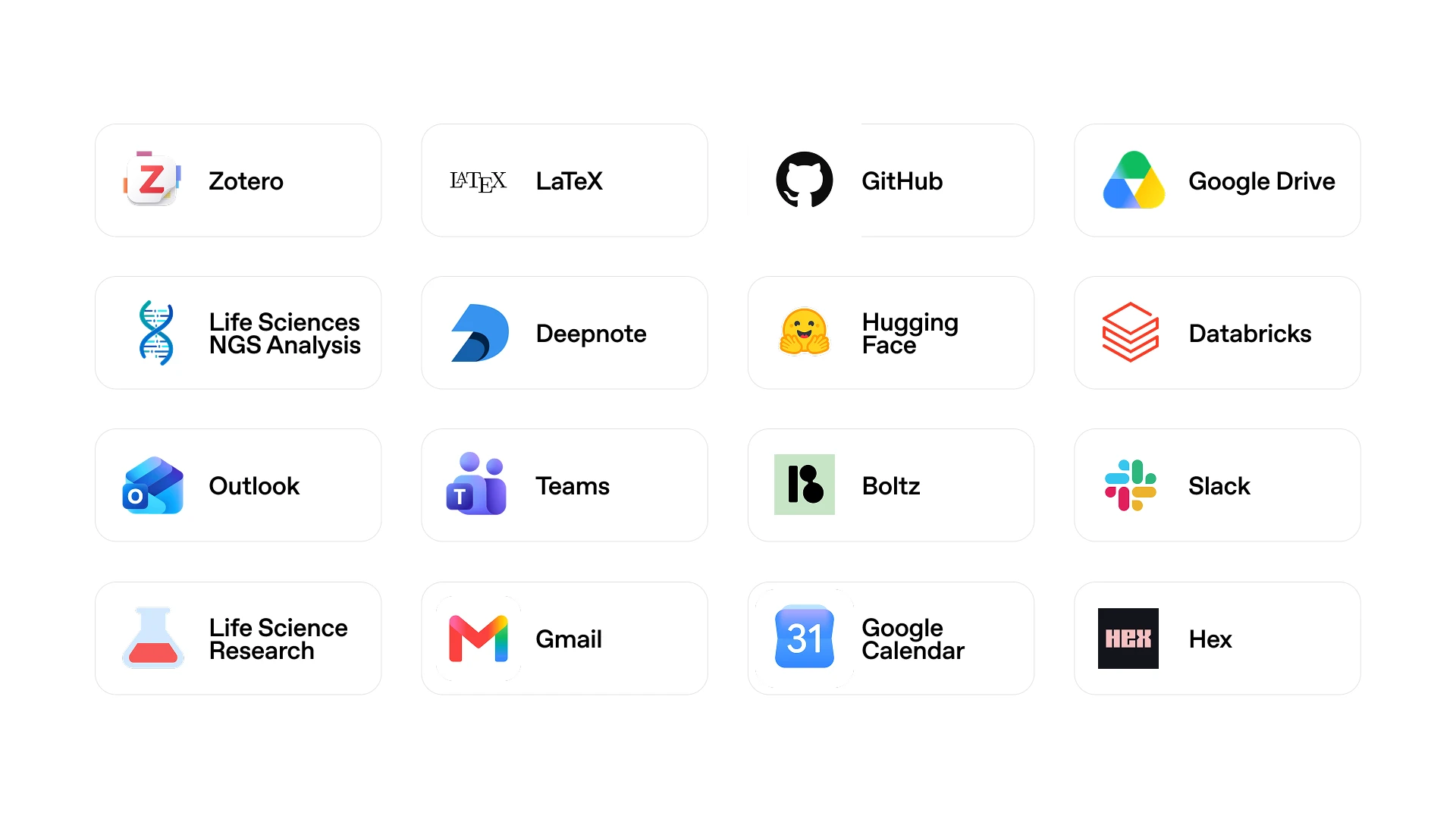
ChatGPT un Codex pieejamo prasmju, savienotāju un rīku piemēri.
Codex var palīdzēt rakstīt un atkļūdot kodu, analizēt datu kopas un veidot reproducējamas darba plūsmas. ChatGPT Work var palīdzēt īstenot ilgākus projektus, piemēram, meklēt finansējuma iespējas, sagatavot grantu pieteikumus, pārskatīt literatūru, rakstīt manuskriptus un veidot materiālus rezultātu izklāstam.
Pētnieku sākotnējā pieredze ar MI būs atšķirīga. Daži šos rīkus izmantos pirmo reizi, bet citi jau izstrādās progresīvus lietojumus savā nozarē.
Programma piedāvās dažādiem pieredzes līmeņiem pielāgotu apmācību — no darba sākšanas un darba plūsmu uzlabošanas līdz progresīviem lietojumiem pētniecībā. Dalībniekiem būs pieejami pētniecības darba plūsmas pārzinoši speciālisti, kas palīdzēs arī integrēt šos rīkus viņu darbā.
Uzzinot par pētnieku atklājumiem, plānojam radīt vairāk iespēju dalīties praktiskās pieejās, mācīties citam no cita un izcelt lietojumus dažādās disciplīnās. Viņu atsauksmes palīdzēs mums saprast, kur mūsu modeļi ir noderīgi, kur tiem ir trūkumi un kā padarīt tos vērtīgākus pētnieku kopienai.
Sākotnējā programma ir pieejama prasībām atbilstošiem pētniekiem izvēlētās akadēmiskajās iestādēs. Atbilstošajām iestādēm(atveras jaunā logā) jābūt atzītām augstskolām vai universitātēm, kas piešķir akadēmiskos grādus un aktīvi veic pētniecību.
Pretendentiem būs jāapstiprina sava saistība ar iestādi un jāsniedz informācija par pašreizējo pētniecību un paredzēto zinātnisko lietojumu. Apstiprinātie pētnieki varēs uzaicināt līdz četriem līdzstrādniekiem no savas iestādes. Arī katram līdzstrādniekam jāapstiprina sava saistība ar iestādi, un viņa konts tiek ieskaitīts programmas kopējā kontu skaitā.
Pieteikšanās sākas jau šodien. Ar atbilstības kritērijiem varat iepazīties un pieteikties šeit(atveras jaunā logā).