Expanding OpenAI’s presence in Brazil
With the launch of commercial operations in Brazil, we’re deepening our long-term commitment to the country and helping turn rapid AI adoption into broad economic and social benefits.
We’re excited to expand our work in Brazil with the launch of our commercial operations. Based in São Paulo, our local team will work with Brazilian businesses, developers, researchers, and public institutions to help translate the country’s rapid adoption of AI into economic growth and meaningful progress.
Brazil is one of ChatGPT’s three largest markets by weekly active users. The number of users in the country has nearly doubled over the past year, and people in Brazil now send approximately 215 million messages to ChatGPT each day.
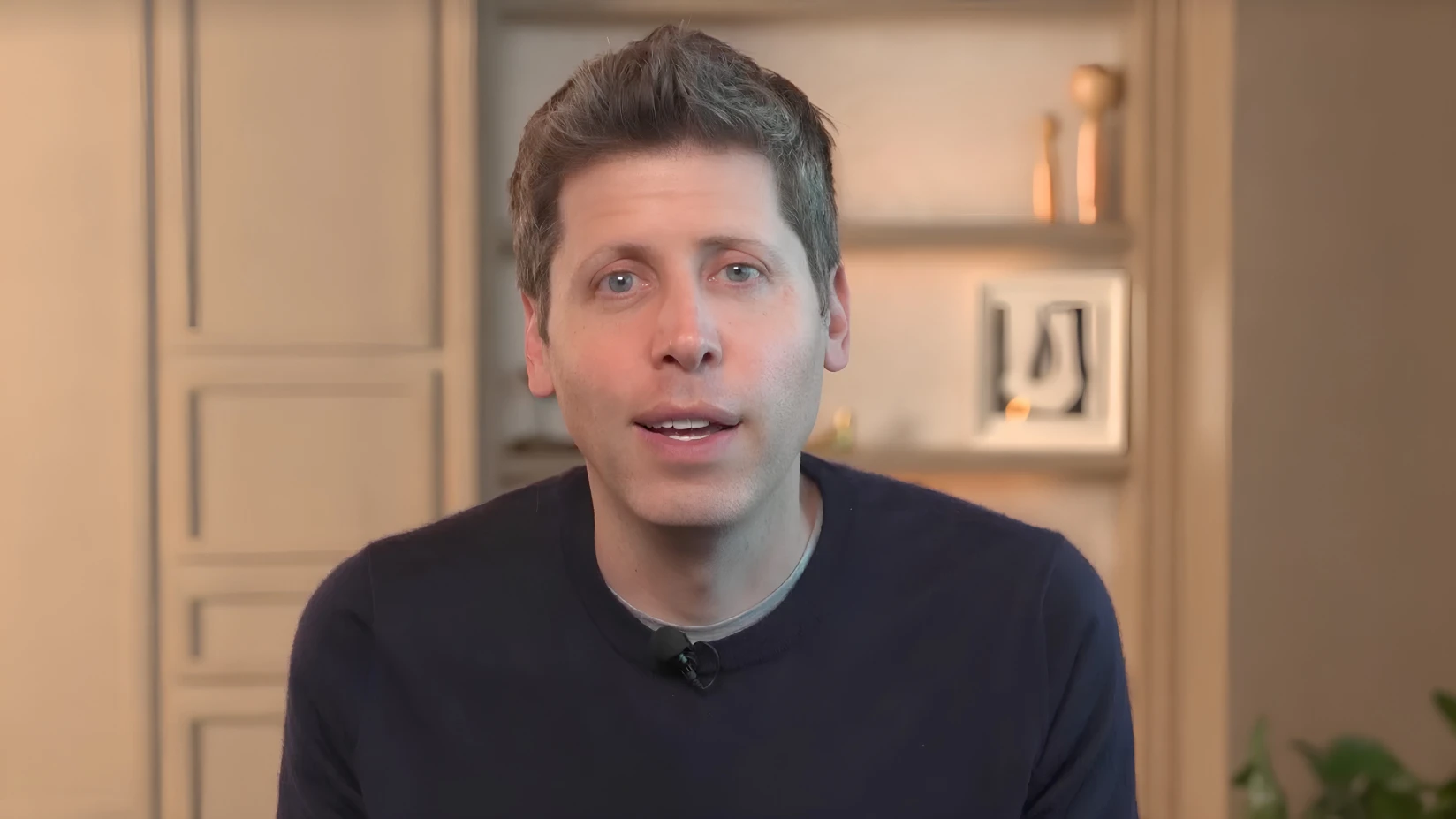
“The most exciting part isn’t just the scale of adoption. It’s the creativity and the energy behind it. Brazil has an extraordinary community of entrepreneurs, businesses and developers that are finding distinct ways to put AI to work and building in Brazil for Brazil. That’s why we’re deepening our presence here. This is a long-term commitment to working alongside the Brazilian ecosystem to ensure that AI creates meaningful economic and social value across the country. I’m very excited about what we can build together in Brazil.”
An independent study by RegLab(opens in a new window), funded by OpenAI, estimates that AI could add nearly R$1 trillion to Brazil’s economy by 2030. Realizing this opportunity will require more than access to technology. It will also require skills, research, responsible deployment, and close collaboration with Brazilian institutions.
New country-level data shows how Brazilians are moving from experimenting with AI to using it in their daily work. In June 2026, 35% of classified messages from individual ChatGPT accounts in Brazil were work-related, compared with 30% globally. Of those work-related messages, 53% asked ChatGPT to complete a task or produce an output—from drafting proposals and analyzing information to writing code and creating marketing materials.
That shift is already visible among Brazilian entrepreneurs. Jewelry designer Lina Prades first used ChatGPT to create social media content before expanding its use to advertising, pricing, inventory, and production. With no technical background, she built two management apps: one now supports her daily operations, while the other could eventually become a product for other jewelers.
At Tapioca da Ari, Ariane Santos uses ChatGPT to develop recipes, refine menus, and communicate more consistently with customers, helping make her food business more organized, visible, and ready to grow.
Brazil’s developer ecosystem is growing just as quickly. By number of developers using the OpenAI API, Brazil ranks second globally. It is also Codex’s largest market in Latin America. Since the beginning of 2026, the number of weekly Codex users in Brazil has grown more than elevenfold, while daily interactions have increased nearly thirtyfold.
Adoption is also accelerating inside organizations. The number of ChatGPT Enterprise seats in Brazil has increased fivefold year over year, and Brazil ranks among OpenAI’s ten largest markets by number of business customers.
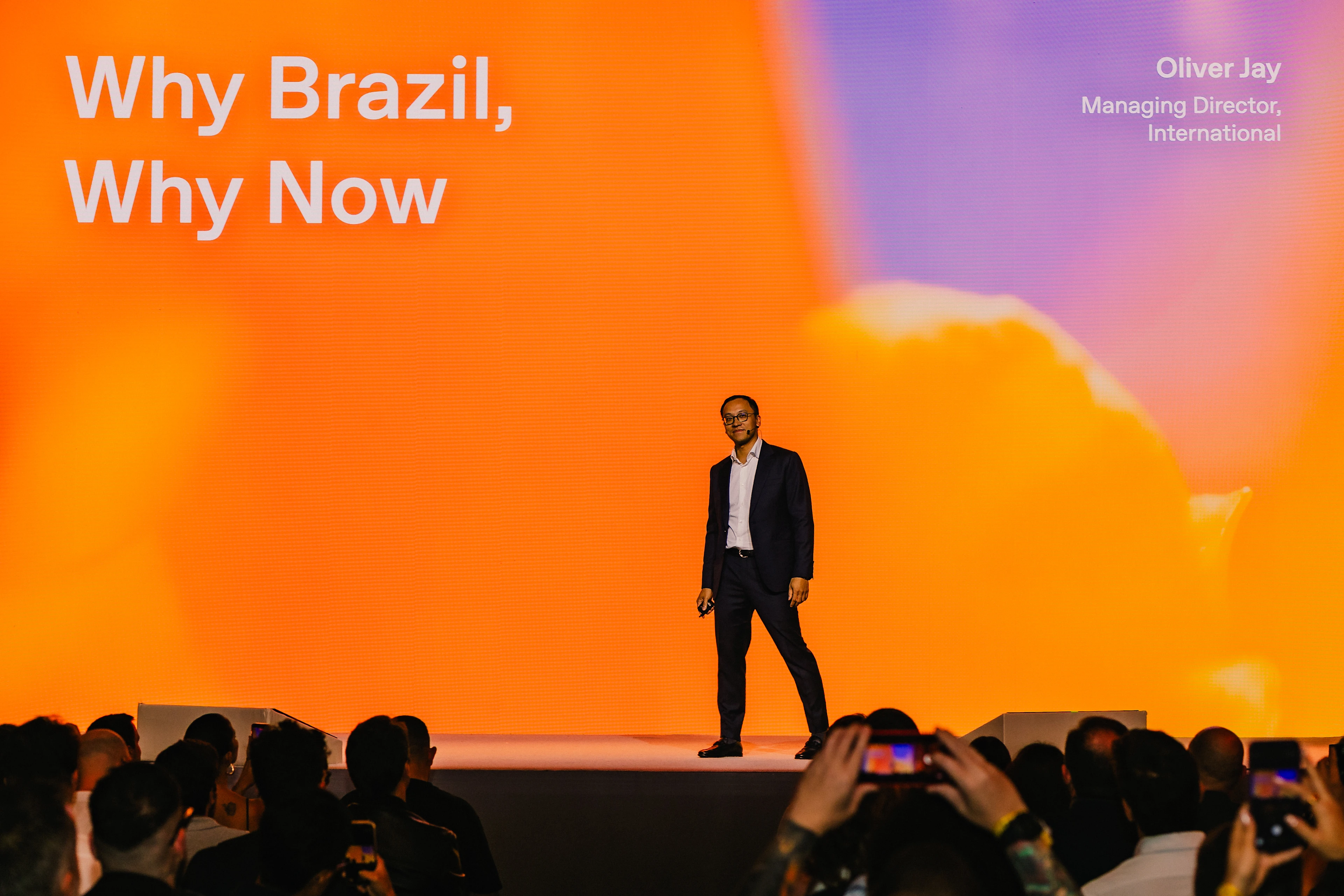
Our local team will help Brazilian organizations identify valuable use cases, prepare their people, establish responsible governance, and scale what works. Many Brazilian companies are using OpenAI technology across financial services, commerce, mobility, customer service, software development, and internal operations. Their work points to the range of products and experiences Brazilian organizations can build next.
Through these new collaborations, we are deepening our commitment to Brazil, actively supporting professionals, companies, researchers, academia, and the government as they shape a vibrant, AI-powered future for the country. Here are a few examples of this work in action:
Expanding access at ITA: We are partnering with the Instituto Tecnológico de Aeronáutica to provide ChatGPT Edu accounts for students, faculty, and staff, together with credits for advanced capabilities including reasoning models and Codex.
Supporting Brazilian research: Through our global grants program, the Instituto de Matemática Pura e Aplicada (IMPA) will study what research institutions need to translate AI access into scientific progress. The Hospital das Clínicas da Faculdade de Medicina da Universidade de São Paulo (HCFMUSP) will evaluate a people-first clinical information infrastructure prototype for Brazil’s public health system, preserving physician judgment and human oversight.
Building responsible AI literacy: OpenAI and ENTER, a Brazilian AI unicorn in the legal sector, are developing a national AI literacy program for legal professionals across Brazil. The training will combine the use of ChatGPT with training to help participants use AI critically, safely and effectively.
Supporting small businesses: Together with Estímulo, we are developing free, mobile-first AI training for micro and small-business owners across Brazil. The program will cover practical applications in marketing, sales, customer service, finance, productivity, and management.
Exploring better public services: OpenAI and the city of São Paulo, through Prodam, signed a memorandum of understanding to make AI available to São Paulo and more public administrations across Brazil.
In the week leading up to this launch, we held our first OpenAI para Devs roadshow. The program brought together 285 developers, startup engineers, founders, technical creators, and other builders in Recife, Rio de Janeiro, Florianópolis, and São Paulo.
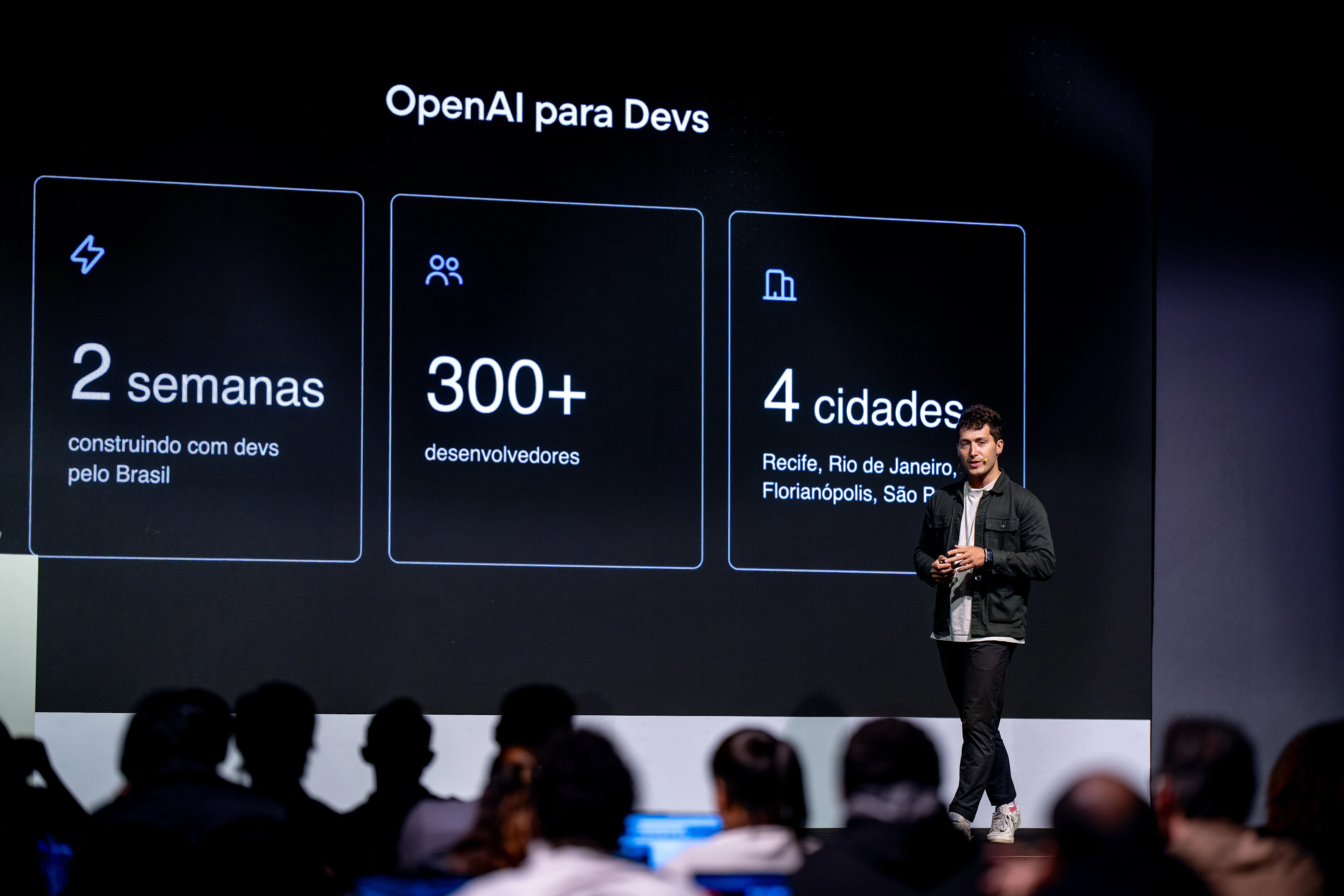
Delivered entirely in Portuguese, the roadshow included technical presentations, live Codex demonstrations, hands-on workshops, and sessions featuring local partners Adapta and Brendi. It also gave our team an opportunity to hear directly from developers across Brazil about the tools, technical resources, and local support they need.
The roadshow culminated in the OpenAI Hackathon Brasil(opens in a new window), a full-day gathering in São Paulo where developers used Codex to turn ideas into projects designed around Brazilian needs. Through hands-on building, technical support, and community exchange, participants experimented, collaborated, and showed what Brazilian developers can build for their communities.
The winning team built integrally with Codex a prototype to help micro and small businesses navigate public procurement opportunities. Their project use public data, the tool lets entrepreneurs describe their businesses by voice, matches their profiles with relevant opportunities and eligibility requirements, and maps nearby public-sector demand—turning a familiar challenge into a practical product in just a few hours.
Brazil is not only adopting AI at scale; it is also developing distinctive and creative ways to use it. The country has the world’s highest rate of ChatGPT Images use and ranks among the five largest markets for voice and dictation. The number of weekly voice users in Brazil has doubled over the past year.
That creativity came to life in our collaboration with Alcione, one of Brazil’s most iconic artists, who explored ChatGPT Voice in a playful conversation about love and relationships.
Our work in Brazil is a two-way exchange. We want to make our technology more accessible while listening to and learning from a community whose ideas and cultural context can help shape how people use ChatGPT around the world. In that spirit, we held OpenAI’s first-ever Creators Day in São Paulo.
That same spirit is visible across Brazil’s creator community. Visual artist Dell Nunes uses AI to portray Brazil’s diversity and communities on the country’s urban peripheries, incorporating local cultural references into AI-generated art and expanding how Brazil is represented.
Paulo Aguiar works across text, images, video, and music, using AI while keeping human creative direction at the center. Thaís Martan plans to use ChatGPT Work during a journey by catamaran, incorporating AI into how she works and explores while at sea.
Together, their work shows how Brazilian creators are not simply adopting AI, but helping shape what it can become.

Creators Day is part of a broader, long-term effort to work with Brazil’s creator community: listening to their needs, sharing tools and knowledge, and supporting creators as they explore new forms of expression, connect with their audiences, and build more sustainable creative businesses.
Launching our commercial operations marks a new chapter for OpenAI in Brazil. We want to learn from the distinctive ways Brazilians use and build with AI while helping more people and organizations turn adoption into better products, stronger businesses, improved services, and broader opportunity.
We’re proud to be building alongside Brazil—and we’re just getting started.
If you are interested in joining us, please check out the open positions in São Paulo on our careers page.