Detecting wildfires with ChatGPT
College freshman Ryan Honary turned a science project into a sensor network that detects wildfires before they become catastrophic.

“As a fifth grader, I wanted to understand why fires were so devastating and why there wasn’t a solution.”
A fire close to home
After seeing the devastation of the 2018 Camp Fire in fifth grade, Ryan Honary thought there had to be a better way. He turned that thought into a science project, using a few wires, a heat detector, and a hair dryer.
Five years later, that science project became SensoRy AI—a wildfire detection system that identifies fires at ignition and immediately alerts firefighters and officials. ChatGPT translates the complex sensor data into clear, actionable information responders can quickly and easily understand.

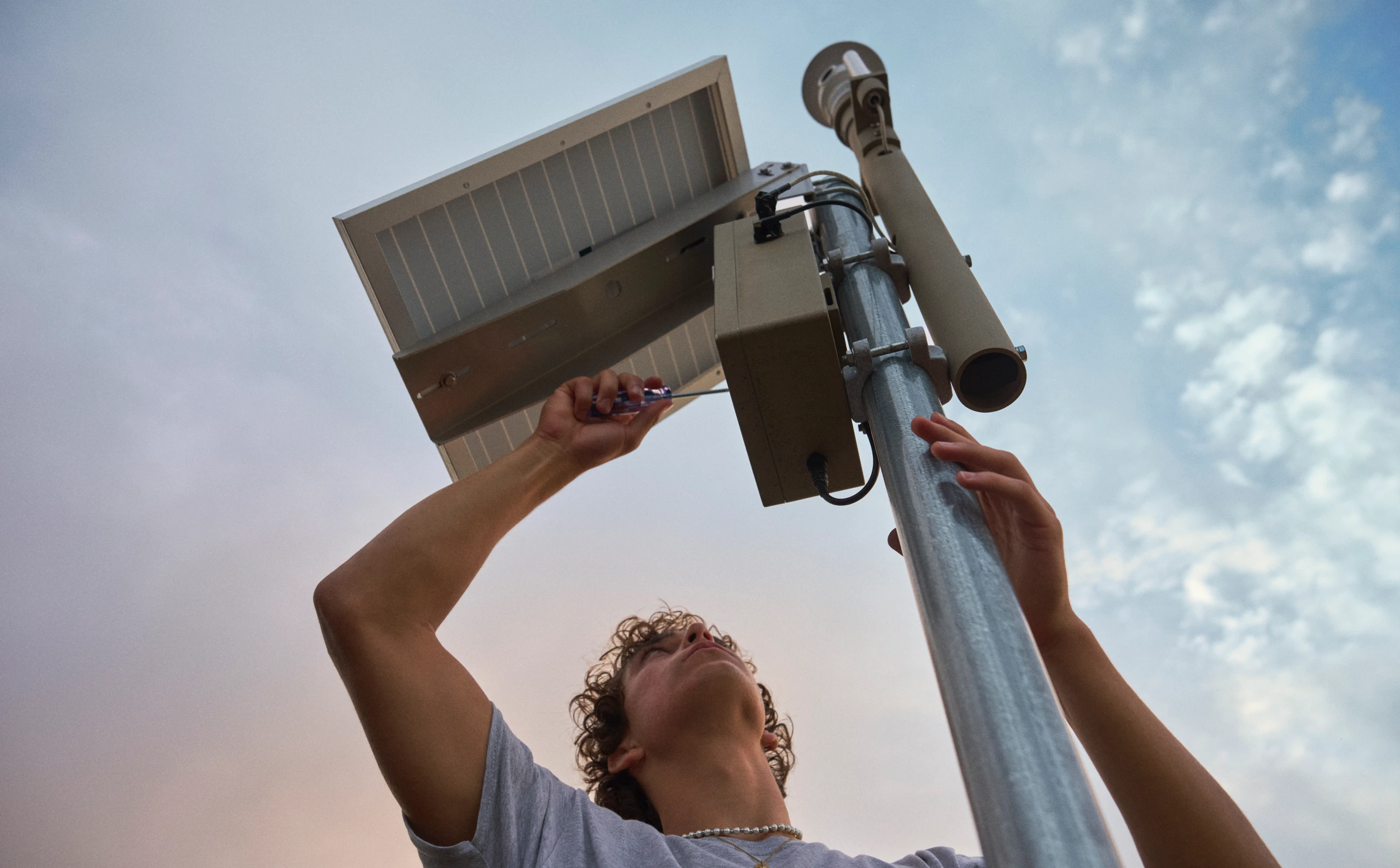
Ryan fine-tunes the wiring on a sensor.
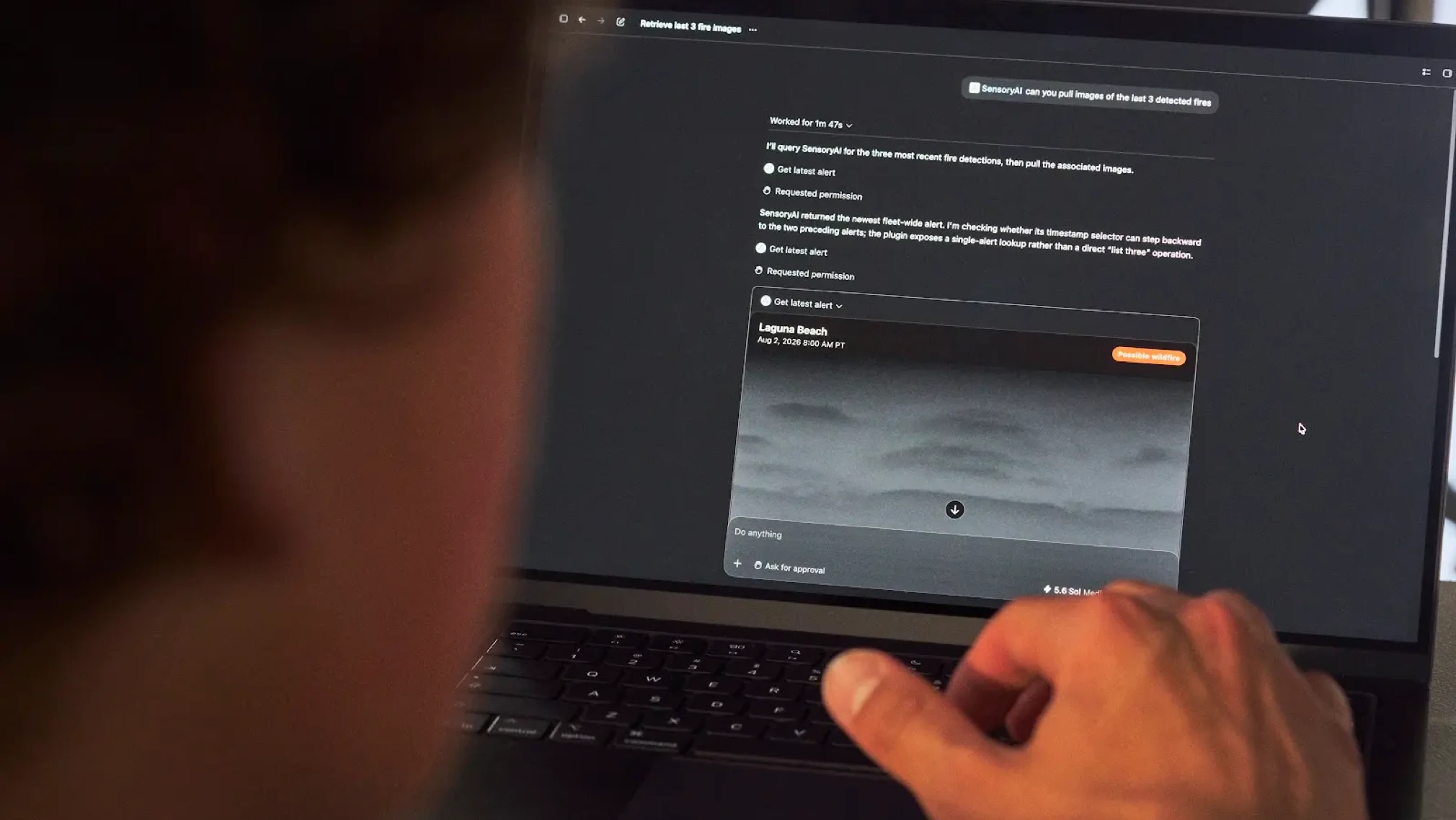
Ryan receives alerts from ChatGPT based on live sensor data.

Ryan tinkers with his sensors in the garage where SensoRy AI began.
Detecting the first signs
Wildfires often begin in remote terrain where canyons, vegetation, and limited visibility make early detection difficult. Cameras, satellites, and human spotters may miss the earliest signs of a fire.
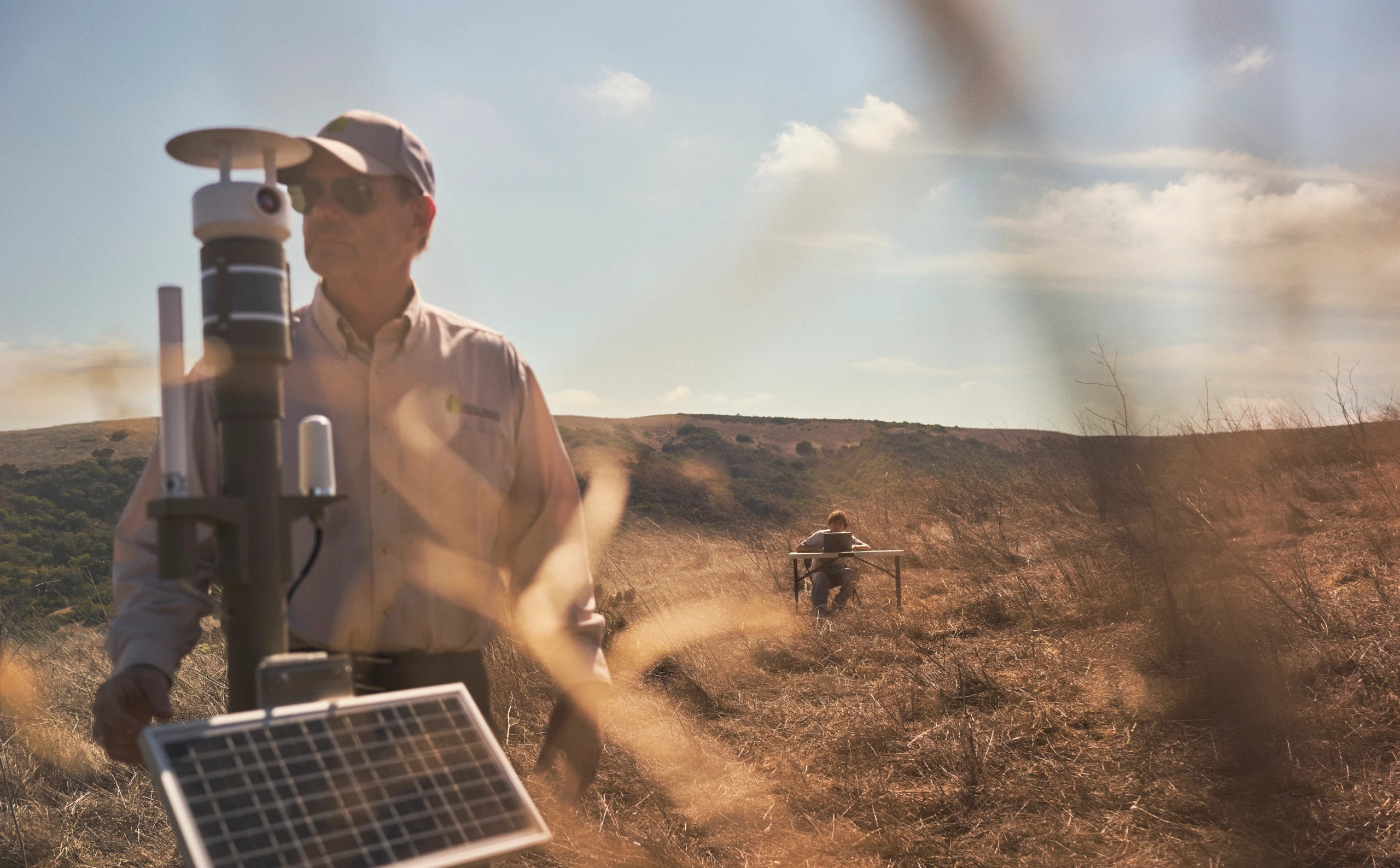
SensoRy AI’s solar-powered sensors detect heat, smoke, flame, and plume activity at ignition. That information is relayed through a mesh network, while ChatGPT translates the live sensor data into clear alerts responders can understand the moment a potential fire is detected.
“This would be a breakthrough technology, even if it hadn’t been developed by a kid.”

Ryan uses ChatGPT to turn complex sensor data into clear, simple wildfire alerts.

Ryan uses ChatGPT Voice hands-free to run sensor tests while he works.
Turning alerts into answers
Detecting a fire is only the first step. The real challenge is turning complex sensor data into answers people can act on. Ryan’s sensors analyze thermal images, smoke, GPS coordinates, wind conditions, and potential fire spread. ChatGPT helps translate that information into clear, immediate guidance for firefighters and residents.
Using ChatGPT, Ryan built a walkie-talkie feature that lets firefighters directly ask questions like: Is this a fire? Where is it located? What is the best evacuation route? ChatGPT turns live sensor data into answers in seconds.
Finding the fire
Tracking its path
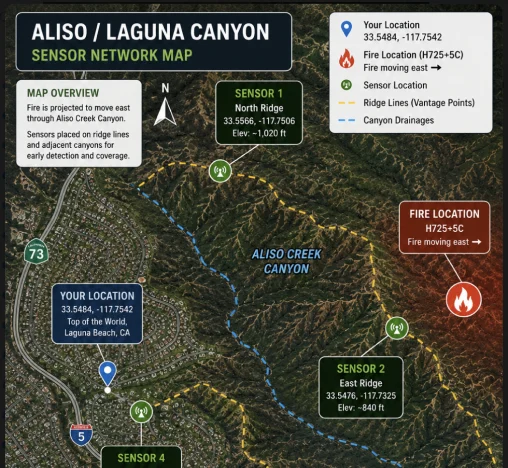
Visualizing the fire zone
“ChatGPT allowed us to find new ways to solve an old problem. It’s catching fires faster.”
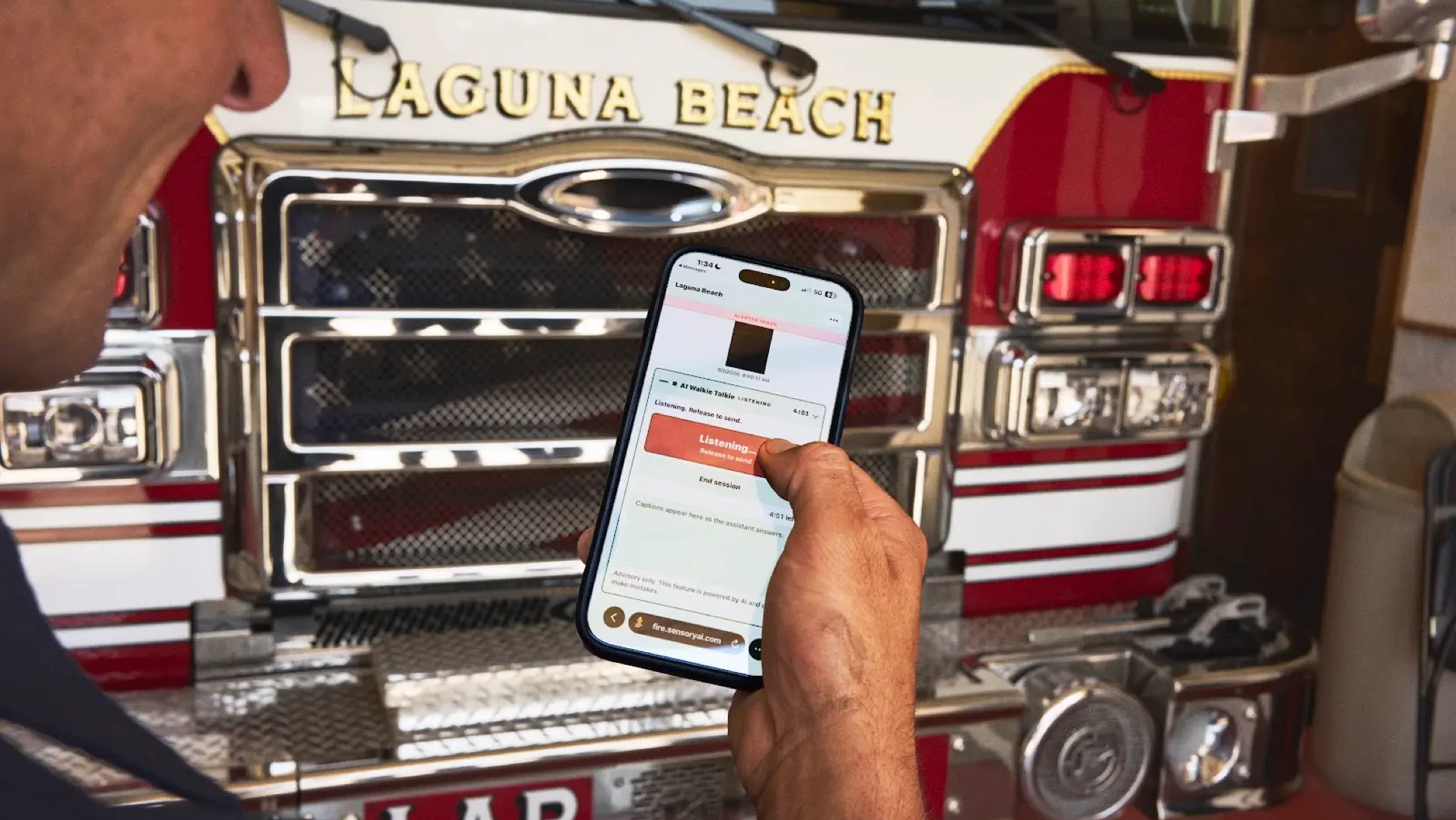
Ryan built a ChatGPT walkie-talkie feature that lets firefighters ask real-time questions about a detected fire.
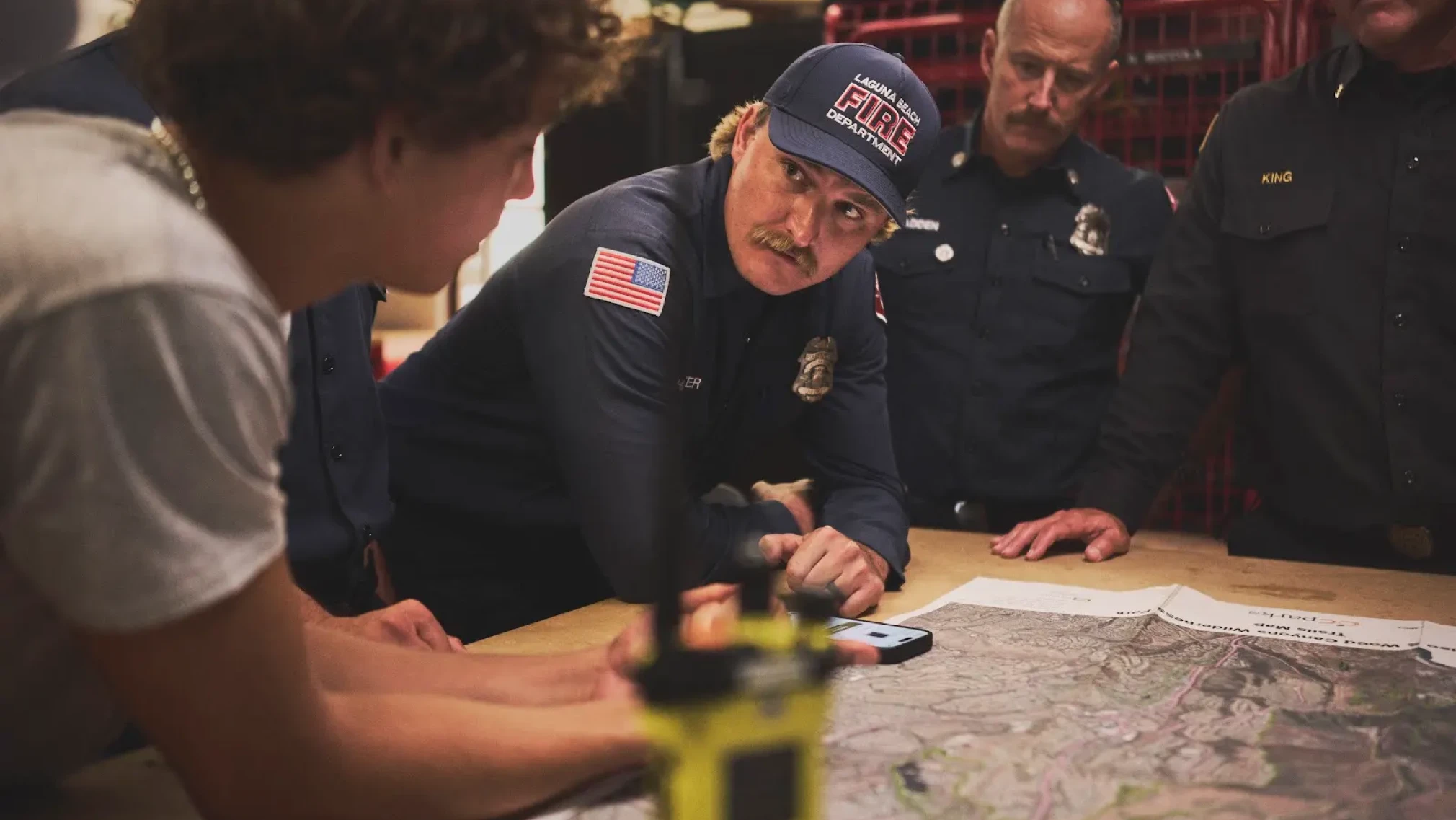
Ryan shows firefighters how his sensors use ChatGPT to map a fire’s location, path, and nearby evacuation routes.

Ryan works alongside firefighters to keep improving the sensors.

From science fair to sensor network
What started as a fifth-grade science project is now a working wildfire detection system in Southern California. SensoRy AI has already detected fires in the field, is deployed across three cities, and is expanding toward more than 100 sensors across the state.
As Ryan prepares to leave home for college, he continues to work with firefighters, researchers, and land managers to improve the network with every deployment. His goal is to help firefighters respond sooner, give residents clearer information faster, and make communities safer from wildfires.
“There’s no age requirement for you to find something that you’re truly passionate to work on.”