Training to cycle across Antarctica with ChatGPT
James Benson-King is preparing to be the first to cycle Antarctica solo and unsupported.
“For me, it was turning that impossible task into something that I had ownership and control over… ChatGPT allowed me to do that with my own goal.”
Pedaling into the unknown
In November, James Benson-King will attempt to become the first person to cycle solo and unsupported from the edge of Antarctica to the South Pole, a journey that could take up to 60 days. But for James, the real challenge begins long before he sets foot or wheel on the ice. Preparing for an expedition like this is as demanding as the journey itself.
The route he’s planning to traverse has been attempted in different ways, but never quite like this: completely alone and without food drops along the way. There is no standard training plan for what James is trying to do, and the demands are unusually complex: he needs to build endurance, strength, technical skill, and cold weather experience at the same time, while preparing for conditions that cannot be fully simulated.
Traditionally, that would mean assembling a team of separate coaches for each protocol, something that would require ample funds and additional time. Instead, James built his own training program using ChatGPT.
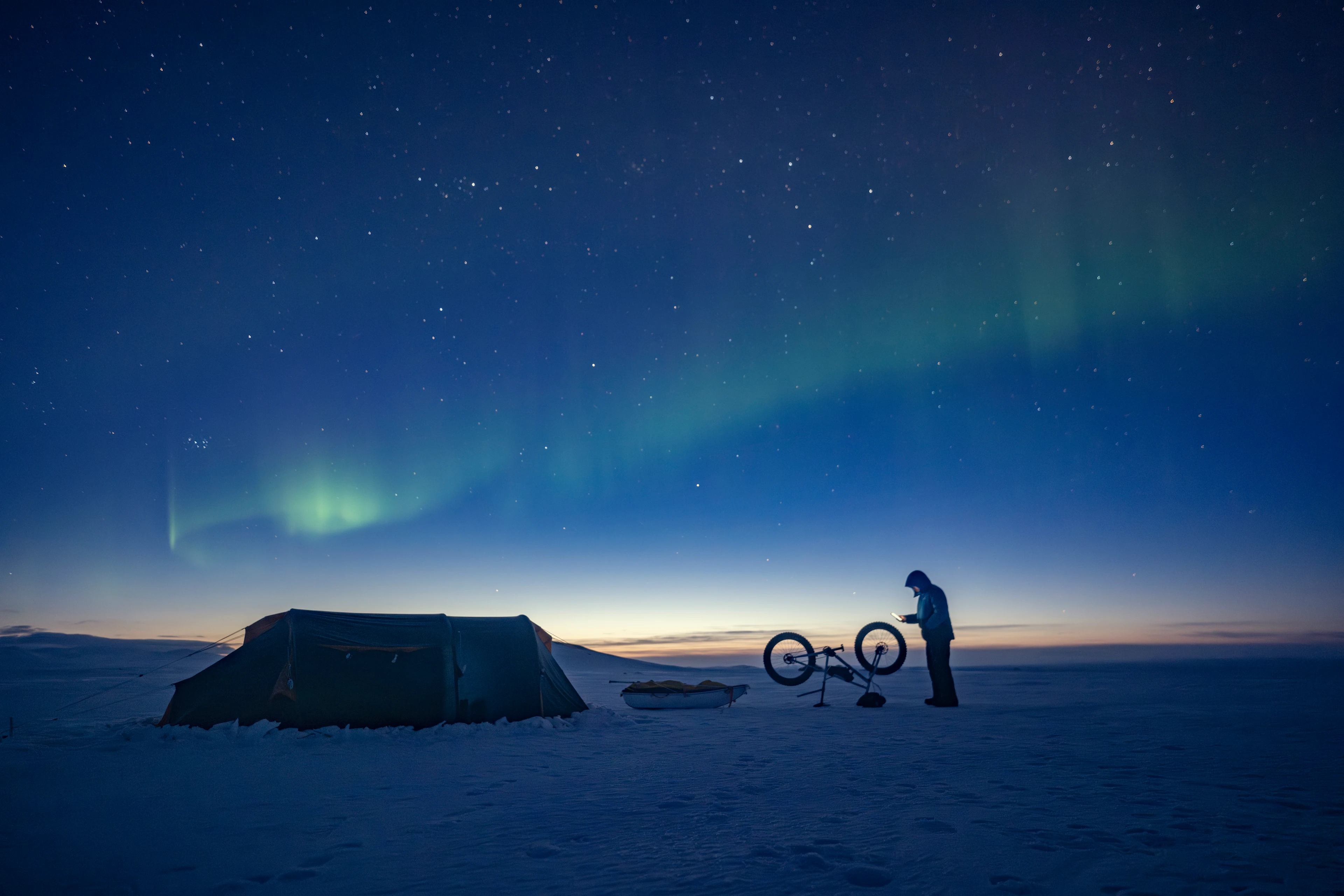
During a remote training expedition in Iceland, James sets up camp on the ice, checking his bike while consulting ChatGPT.
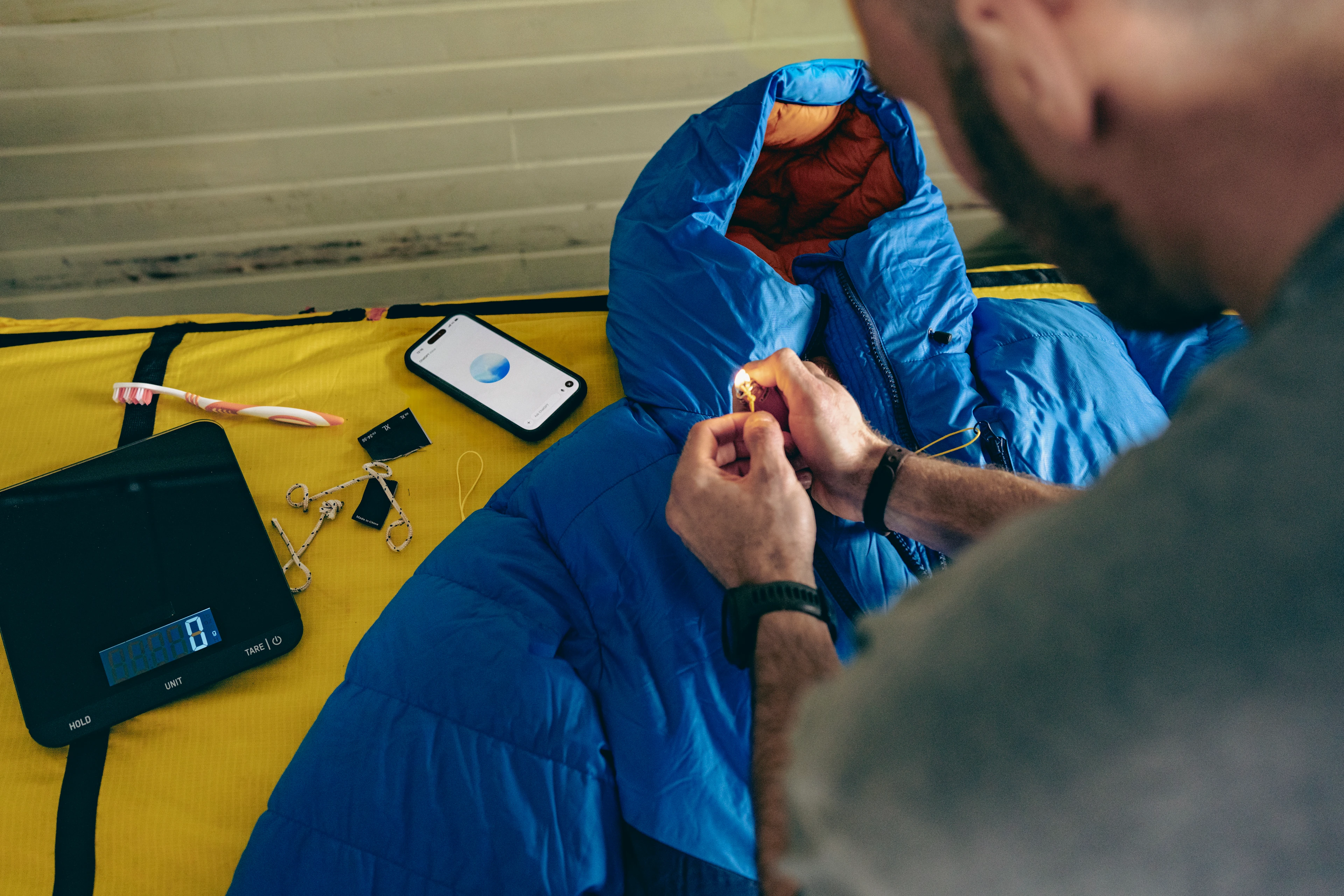
James cuts weight from his gear, using ChatGPT to optimize even small details like his coat’s zipper pulls.
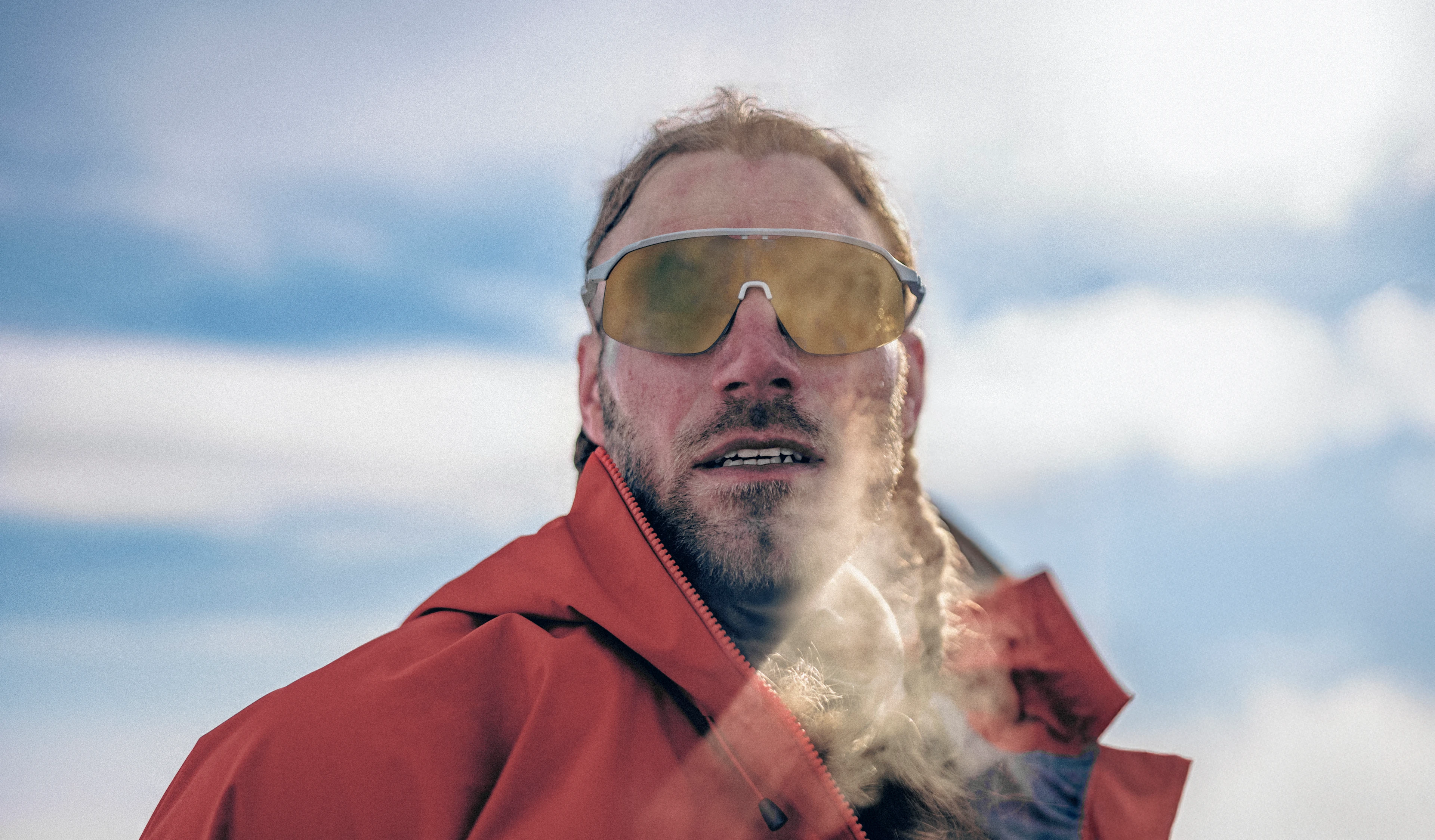
James braces against the Icelandic cold while training for his upcoming Antarctic expedition
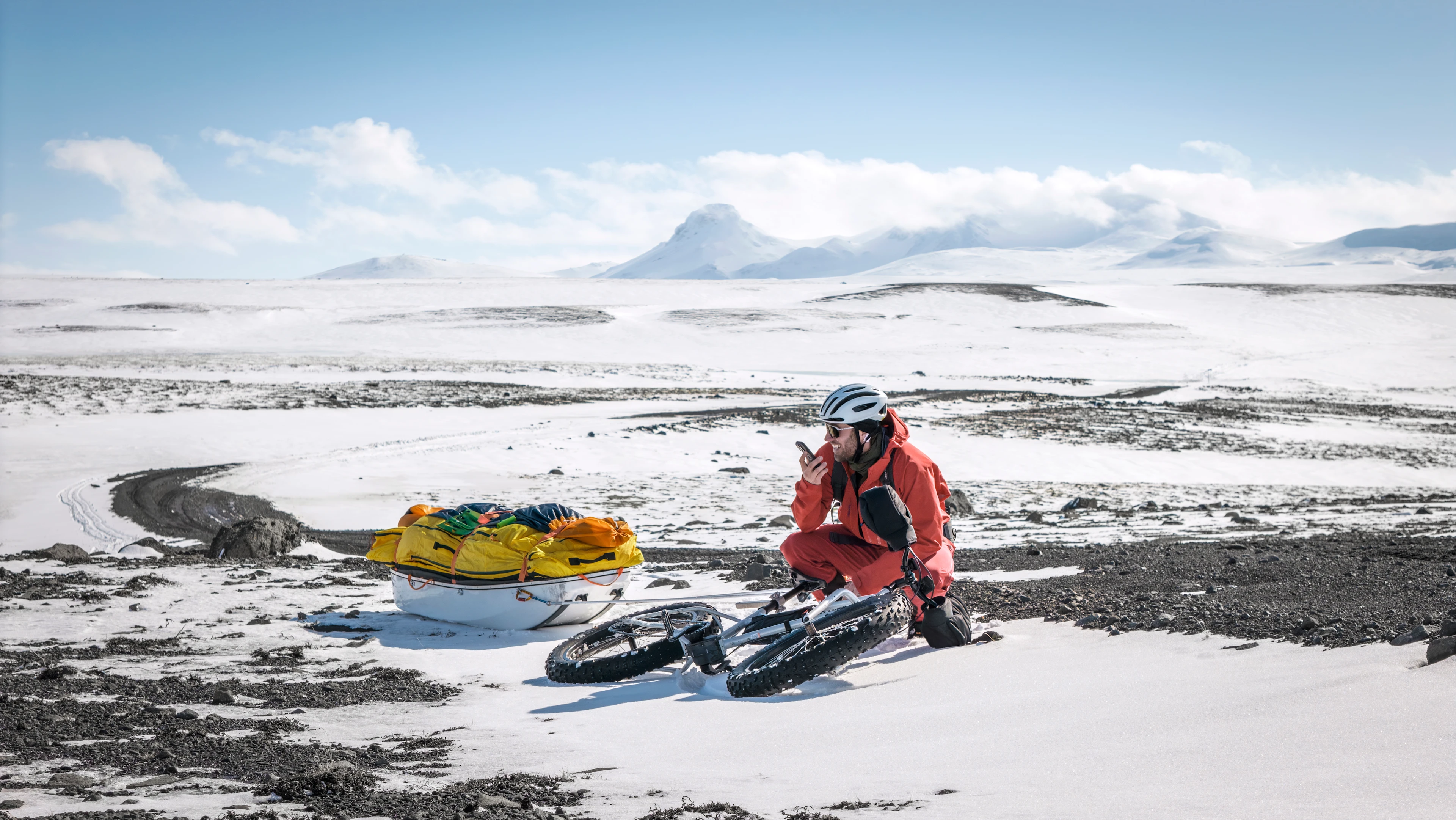
James uses ChatGPT to log thoughts and riding modifications during training.
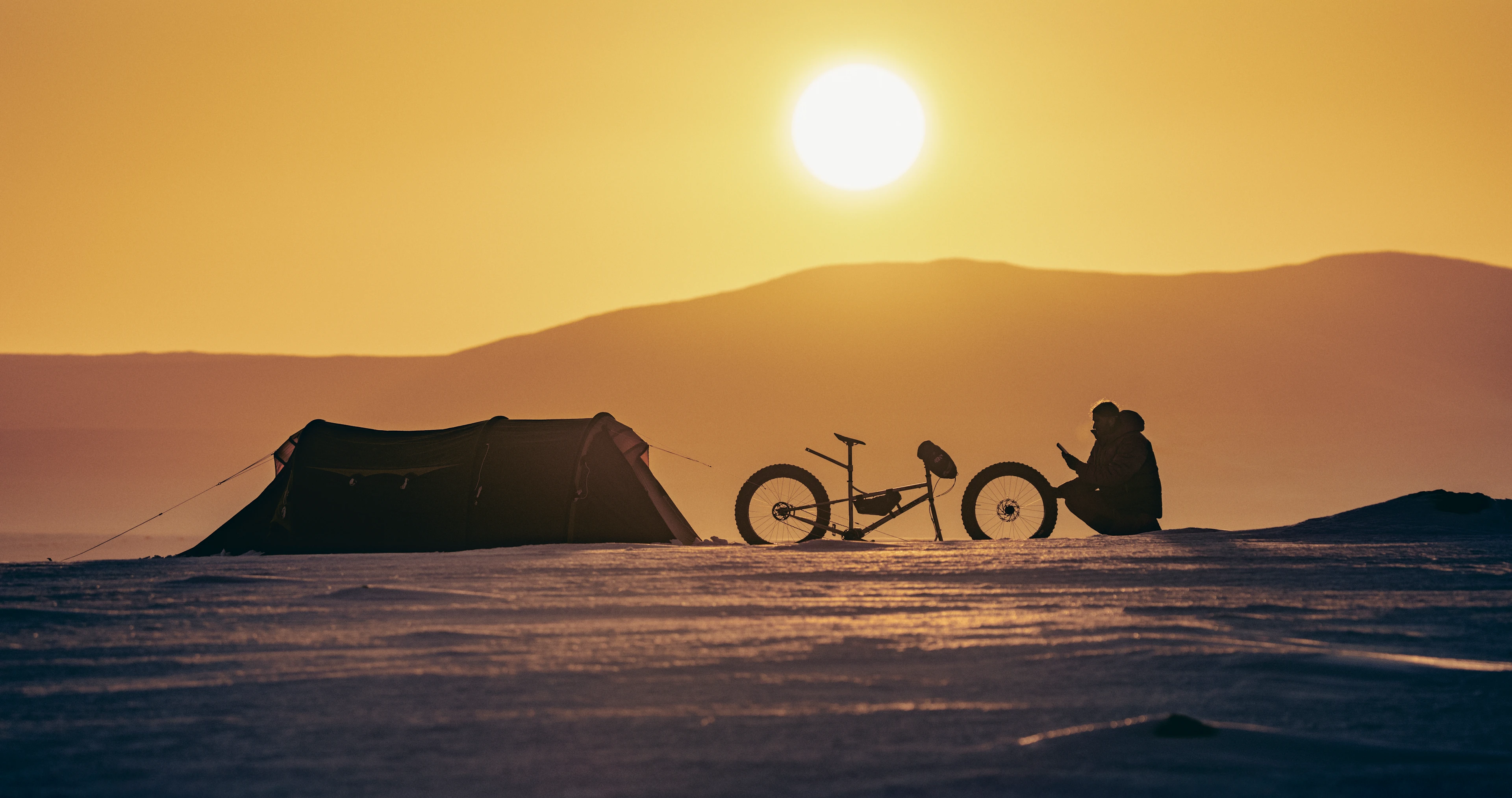
James settles into camp at sunset.
Building a system, not a plan
Once the scope of the challenge became clear, the question for James wasn’t just how to prepare for Antarctica, but how to hold all the different elements of his training together with the resources he had available.
Instead of breaking the problem into separate parts, he used ChatGPT to build a plan that is more flexible and responsive to his needs. The tool allows him to combine different approaches into a single system, test ideas, and adjust as he learns. Rather than optimizing for one thing at a time, he’s able to balance everything simultaneously.
The impact shows up in how quickly he’s been able to progress. What would normally take long cycles of iteration and coordination has been compressed into a much shorter window, with ChatGPT turning a slow, fragmented process into one he can continuously refine.
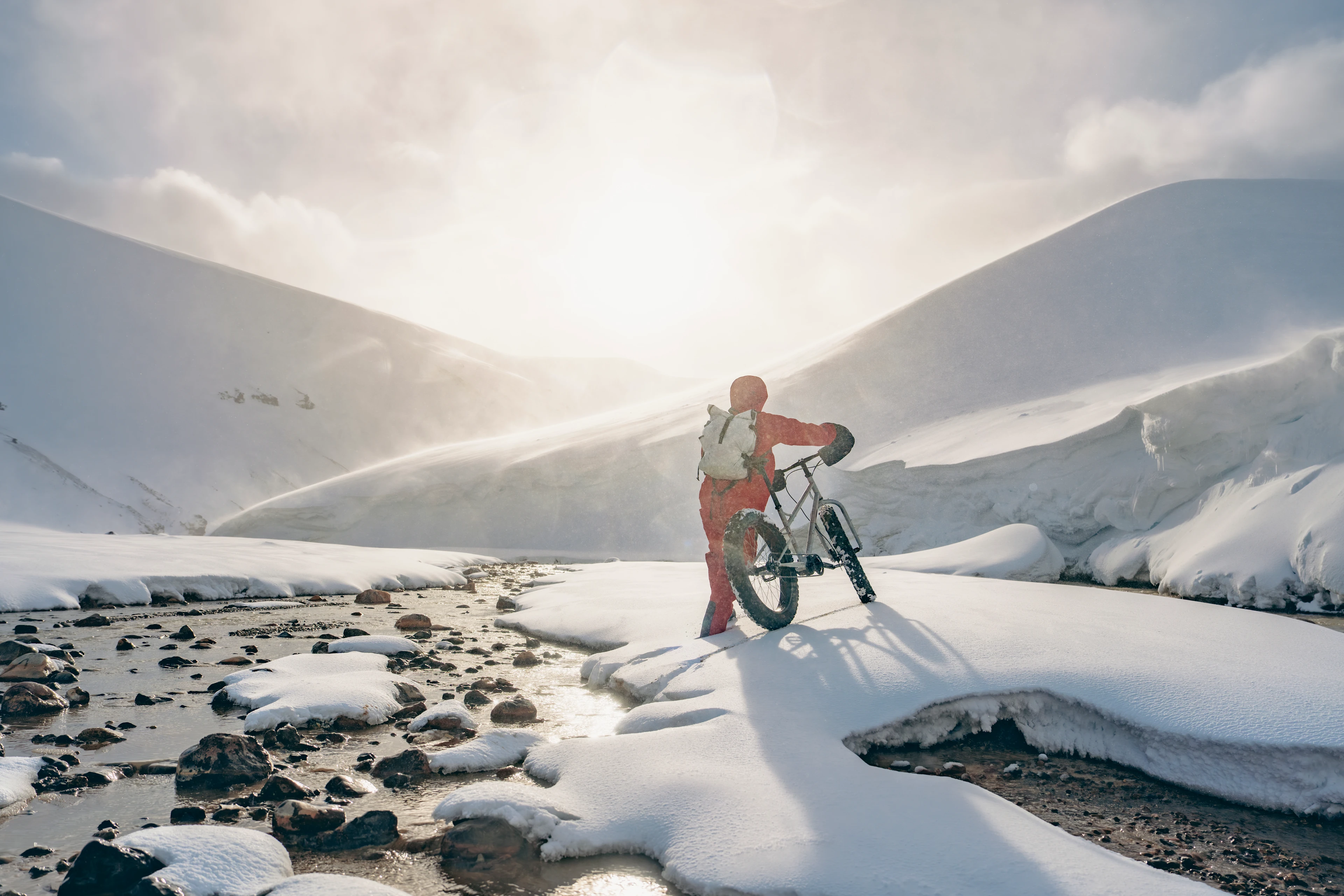
“January last year was the first time I ever did anything in the cold weather space. Within just over a year, I feel competent enough to tackle Antarctica... I think I’ve managed to turn around in one year what potentially would have taken me two, three years.”
Learning in motion
Part of James’ training took place in the Icelandic highlands, where unpredictable weather and shifting terrain offered a closer approximation of what he will face in Antarctica. The snow-covered expanse became a testing ground not just for his gear and decision making, but for how he uses ChatGPT in real conditions.
When his stove broke in the cold, James described the issue to ChatGPT and worked through a fix on the spot. He’s also used it to design workouts based on what’s available, and to refine his setup, even down to small weight-saving decisions like cutting his toothbrush in half.
During long stretches on the bike, he used ChatGPT to gauge his pace and effort, adjusting based on distance, heart rate, and remaining daylight. At camp, it became a way to capture ideas and revisit them later, from small adjustments to his setup to moments from the day he wanted to reflect on. “I’ve used it to download my thoughts, almost like an audio diary,” he says.
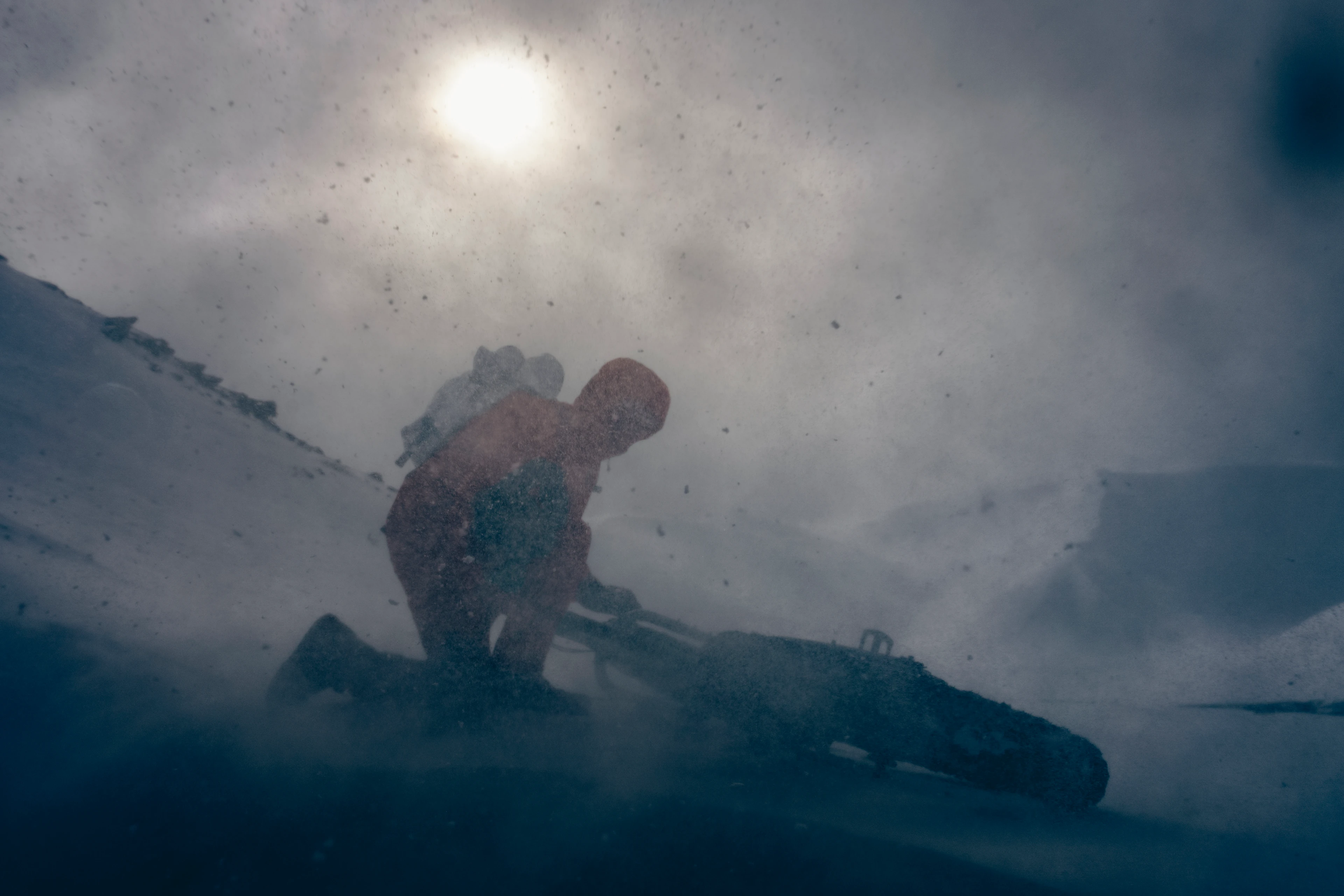
James pushes through a whiteout while training in Iceland’s Highlands.
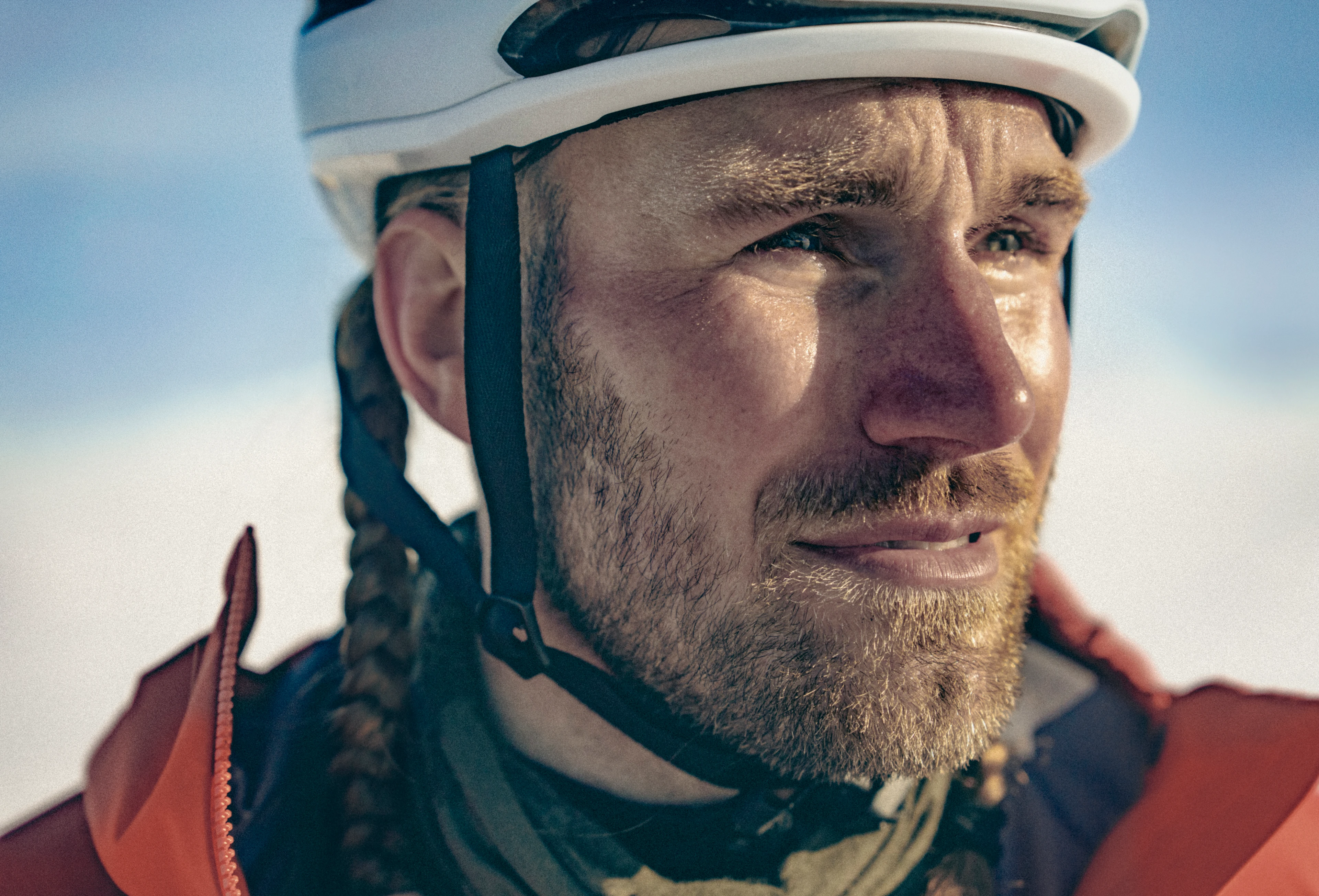
James, midway through a ride in Iceland.
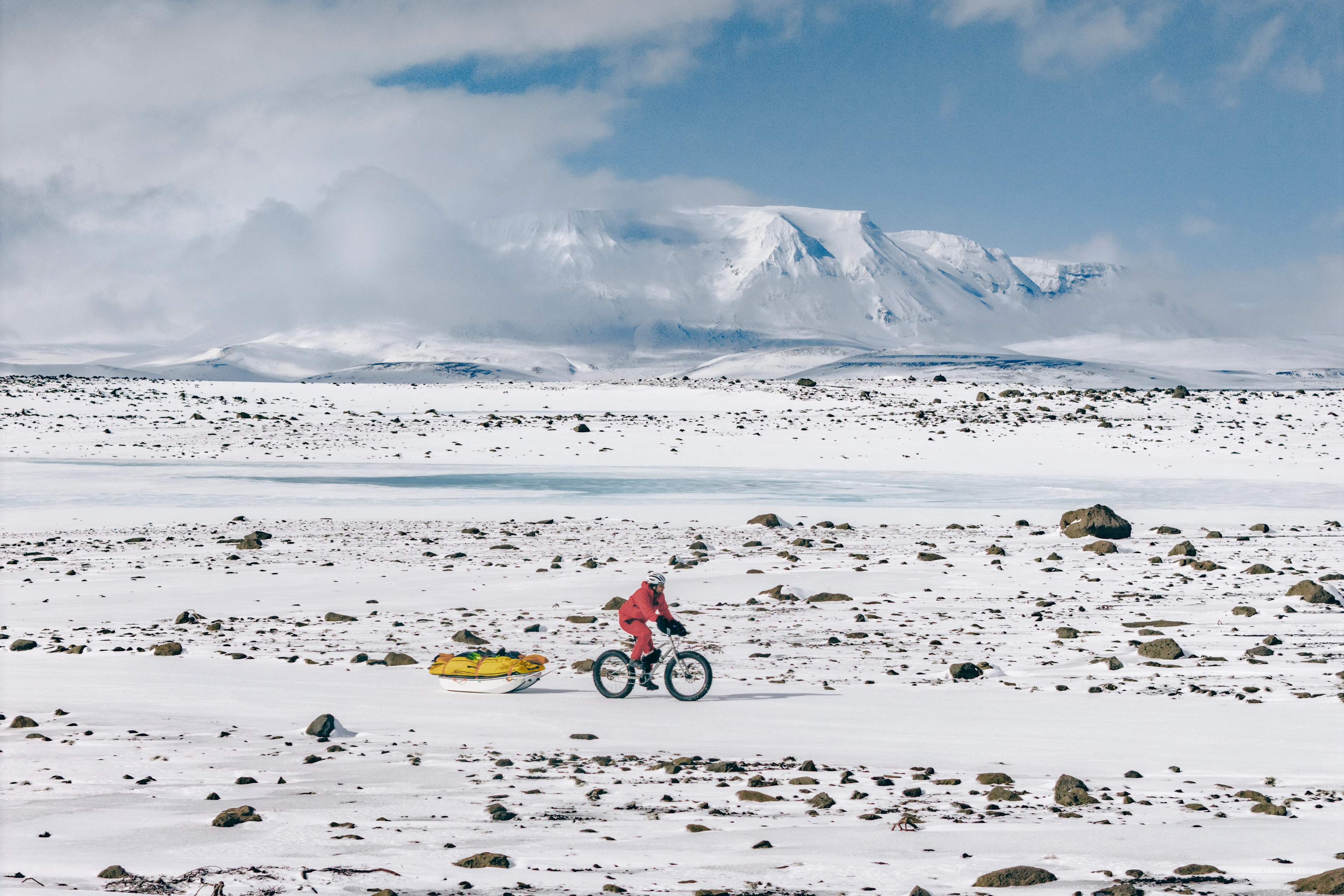
James tows his gear and supplies in preparation for an Antarctica expedition, where he will carry everything he needs for 60 days.
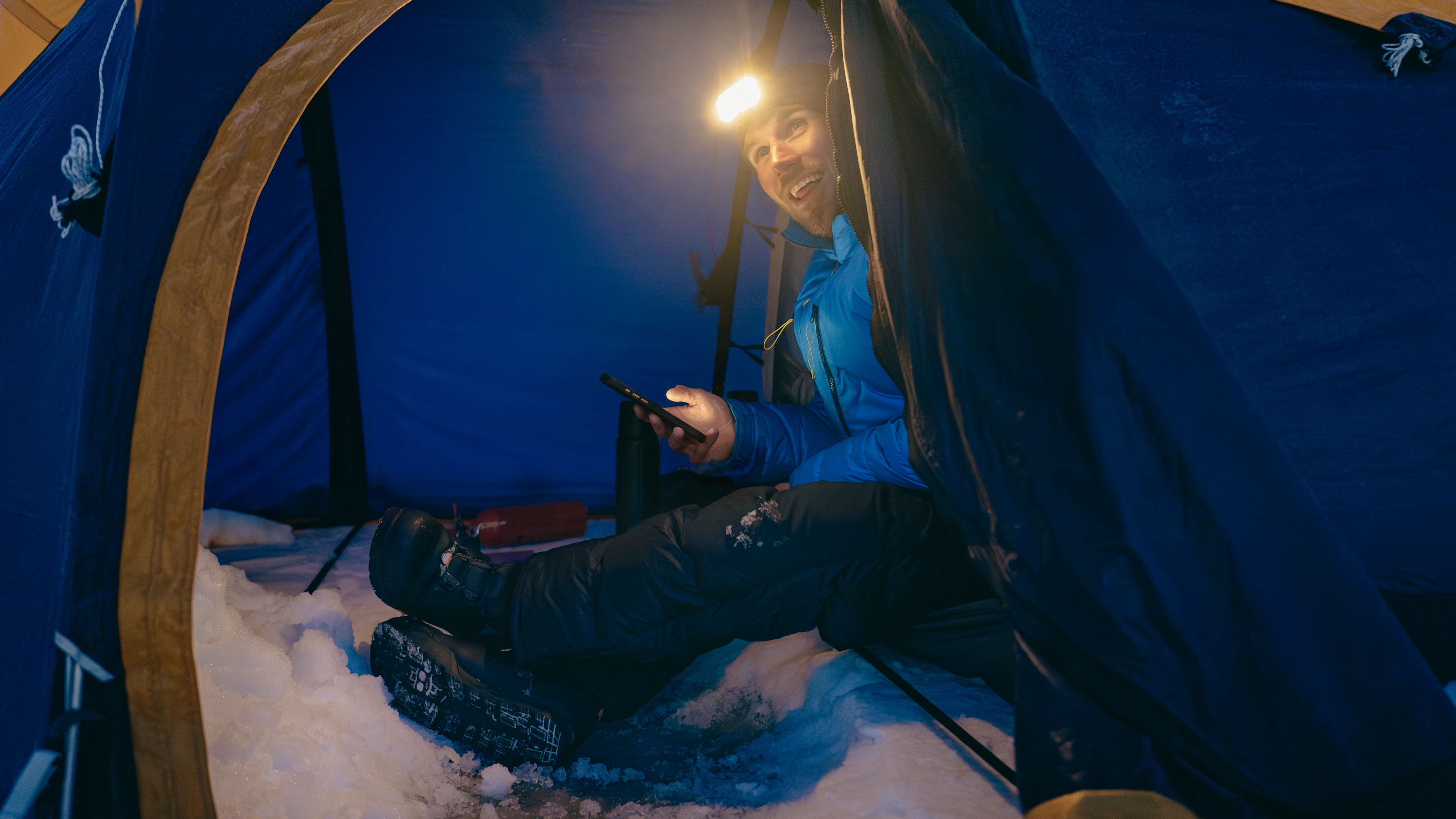
From inside his tent in Iceland, James uses ChatGPT to troubleshoot his expedition stove.
A new thinking partner
As the training progresses, ChatGPT becomes less about building the plan and more about helping James stay inside it.
It gives him a way to work through decisions as they come up, connecting what he already knows with what he’s experiencing in the moment—not to arrive at a final solution, but to keep the process moving, especially when things are difficult to fully understand or explain. “It might not give me a definitive answer,” he says. “But it definitely helps me think of the right questions.”
That shift becomes important. Much of what he’s working through isn’t straightforward. The conditions, the effort, and even the reasons behind what he’s doing can be hard to put into words. ChatGPT has become a way to engage with those questions, rather than avoid them.
For James, the journey is not just about reaching the South Pole; it’s about figuring out how to get there. What matters most is the process: the ability to keep making decisions, to keep adjusting, and to keep going. One decision at a time.
“Maybe Antarctica is my limit. Maybe in that vast white desert, I will find my ultimate limit of my own capabilities.”