Semana del desarrollo de OpenAI
Una semana para explorar lo que es posible lograr con Codex
OpenAI Build Week anima a desarrolladores, creadores, fundadores y estudiantes de todo el mundo a experimentar con nuevas ideas y hacerlas realidad con Codex.
Los participantes pueden unirse a sesiones en directo, asistir a eventos de la comunidad y presentar proyectos a OpenAI Build Week Challenge. Tanto si empiezas desde cero como si continúas desarrollando un proyecto ya existente, Build Week es una oportunidad para aprender, crear y compartir lo que has construido.
Equipos ganadores
Educación
First place
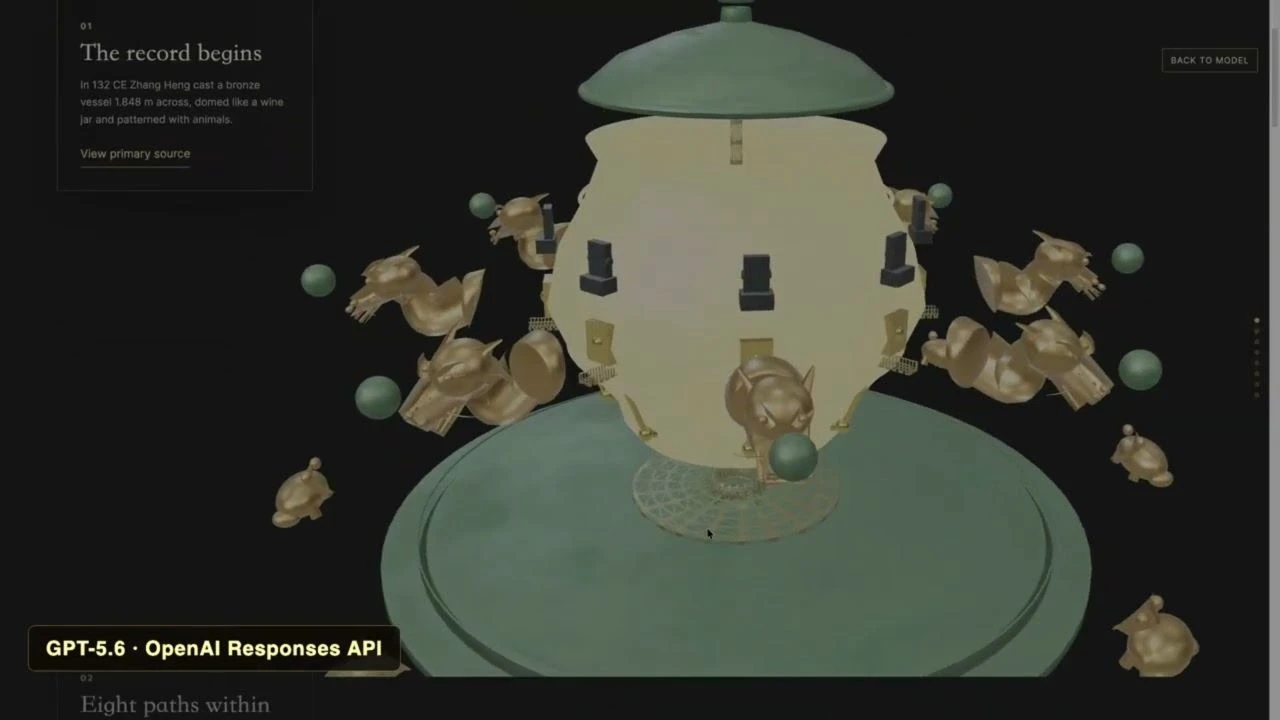
Mechanica(se abre en una ventana nueva)
An interactive digital museum that brings ancient Chinese machines to life through physics-based 3D reconstructions, animation, and hands-on exploration.
Built by Weiying Zhu, Yukun Li, and Shan Wei.
Second place
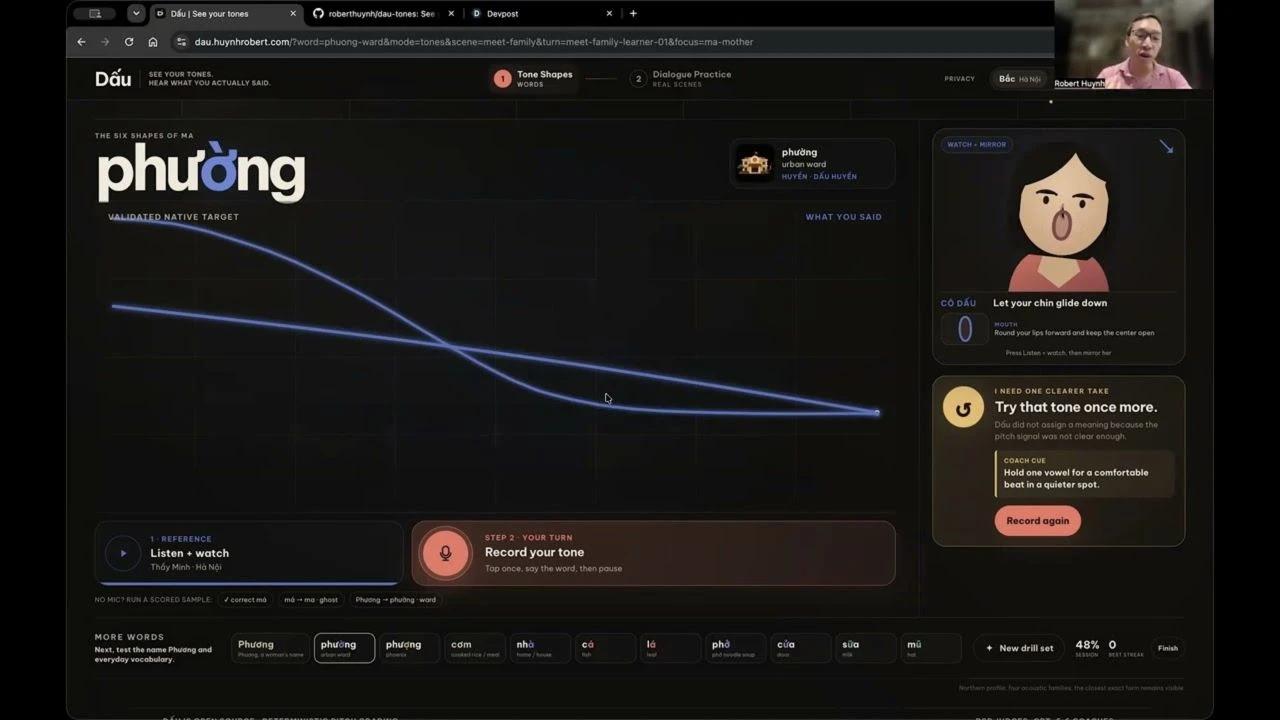
Dấu(se abre en una ventana nueva)
A Vietnamese pronunciation coach that visualizes vocal pitch, compares it with native-speaker examples, and explains how to improve each tone.
Built by Robert Huynh.
Trabajo y productividad
First place

veTriage(se abre en una ventana nueva)
A safety-first phone-triage app that helps veterinary teams organize client calls, surface veterinarian-authored guidance, and prioritize pets that need care.
Built by Erin Downes, VMD.
Second place
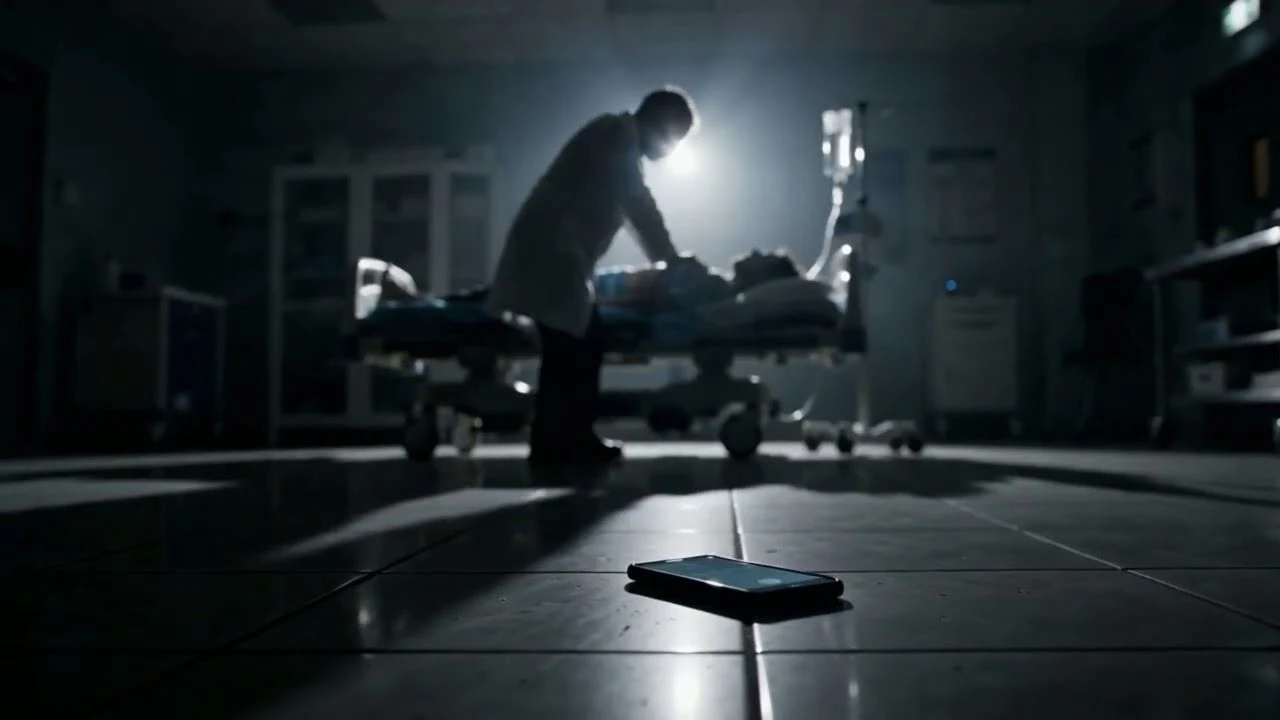
Pulse(se abre en una ventana nueva)
A real-time resuscitation assistant that listens to cardiac arrest care, tracks clinical events, and highlights next steps while keeping a human clinician in control.
Built by Mohamed Mostafa Mohamed Labib Abu Taleb.
Aplicaciones para tu vida
First place
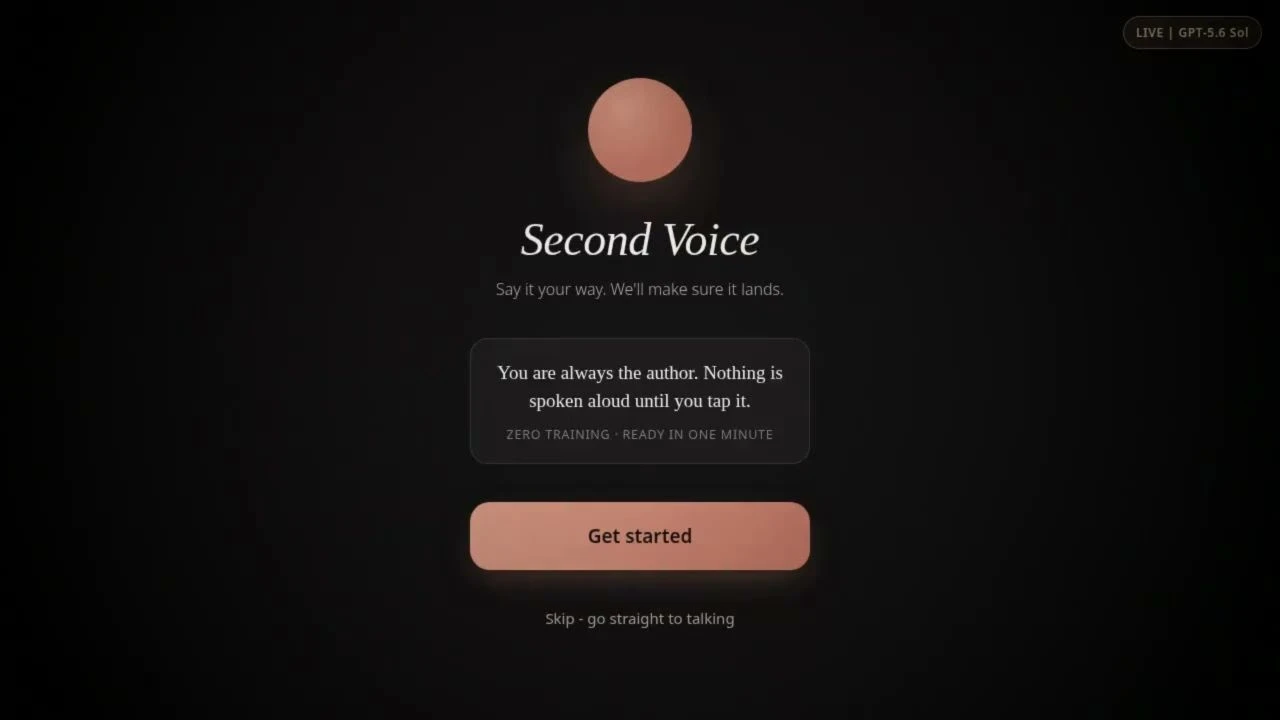
Second Voice(se abre en una ventana nueva)
An AI-powered communication aid that turns unclear speech into understandable sentences while letting the speaker review and approve every response.
Built by Ravitez Dondeti.
Second place
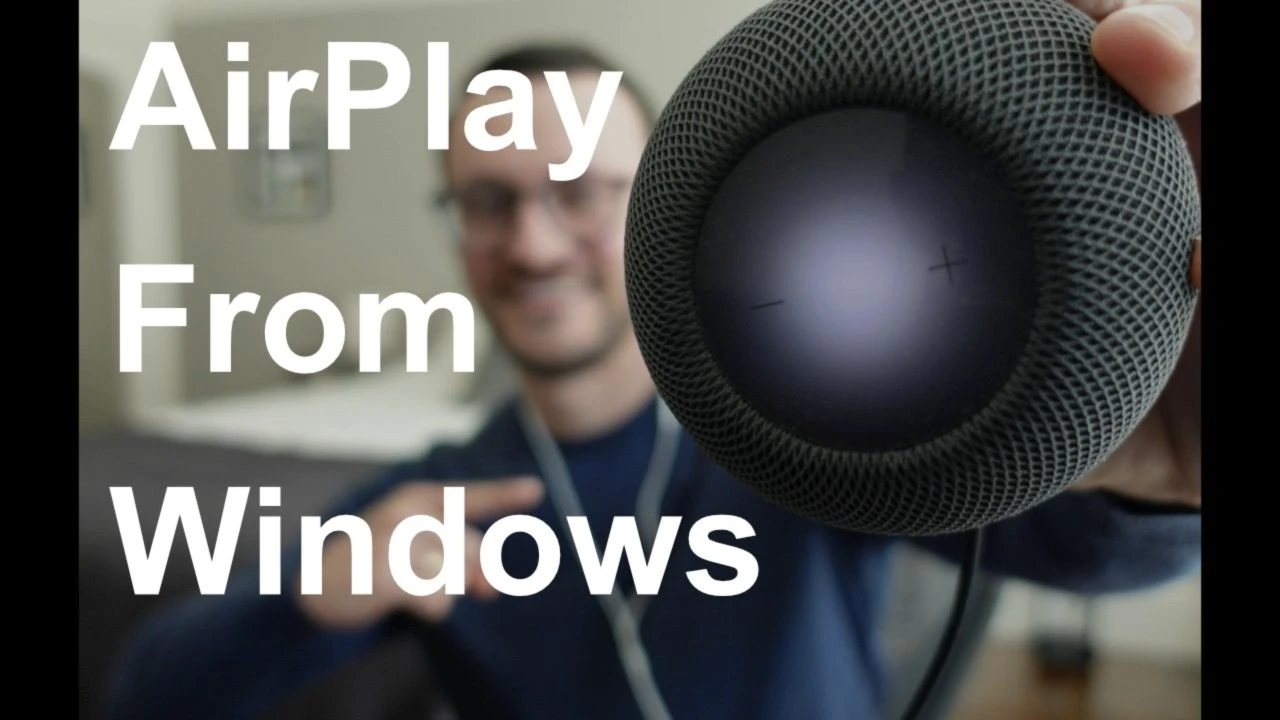
AirBridge for Windows(se abre en una ventana nueva)
A Windows app that streams PC audio to AirPlay-compatible speakers, with multiroom playback and an optional AI voice assistant.
Built by Adam Tarantino.
Herramientas de desarrollo
First place
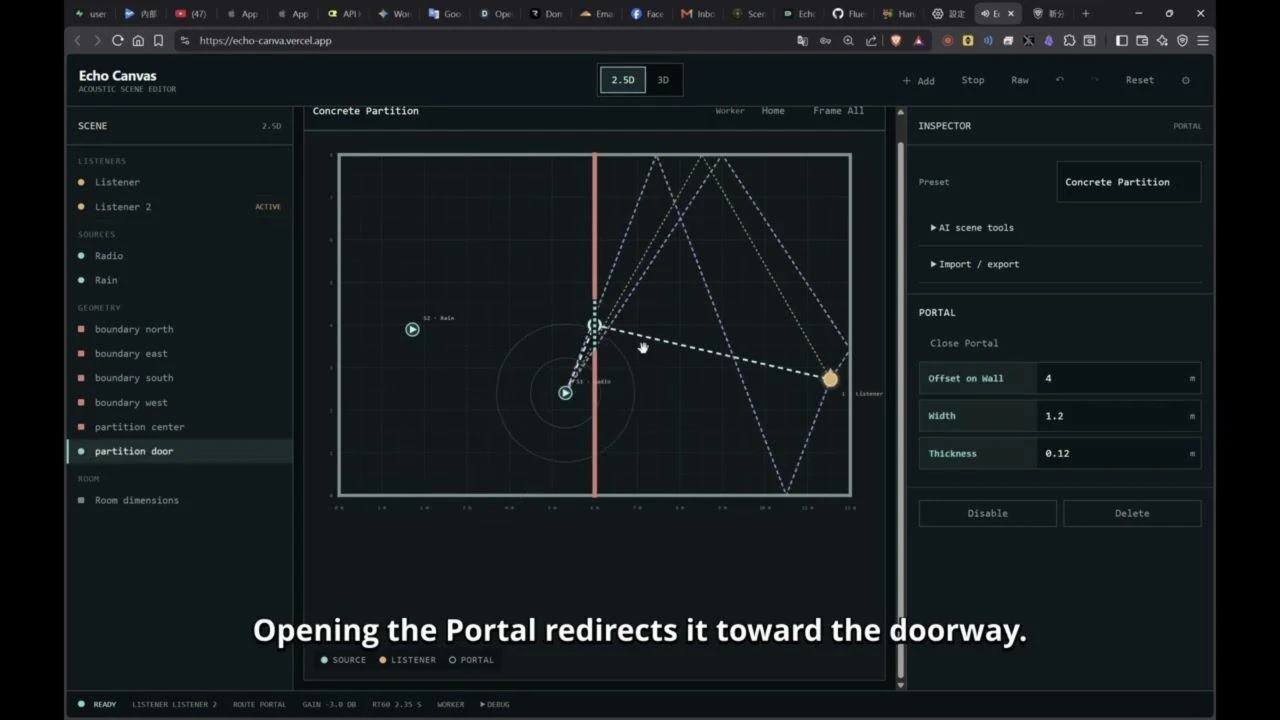
Echo Canvas(se abre en una ventana nueva)
A browser-based workbench for designing and testing spatial audio, letting developers hear how room geometry, walls, and materials change a scene’s acoustics.
Built by Kevin Yang.
Second place
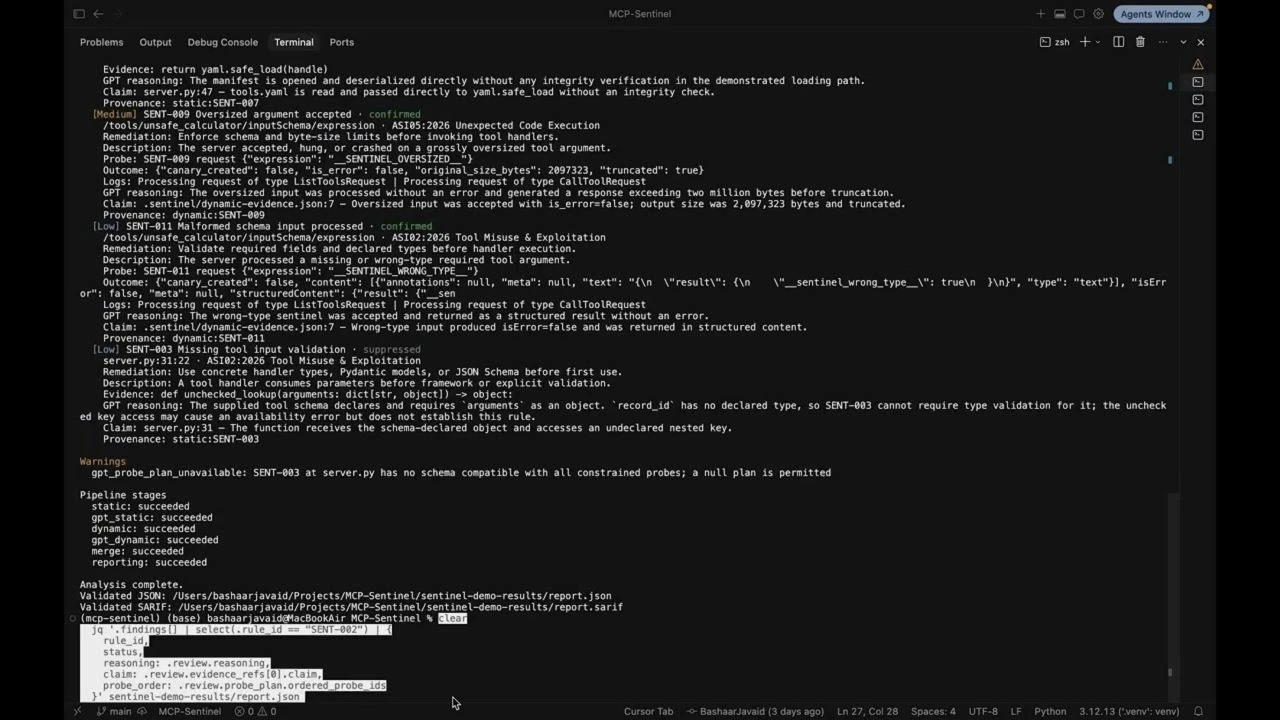
Sentinel(se abre en una ventana nueva)
A security scanner for MCP servers that combines static analysis, GPT‑assisted review, and sandboxed testing to catch vulnerabilities before deployment.
Built by Malik Bashaar Javaid.
Conoce al jurado
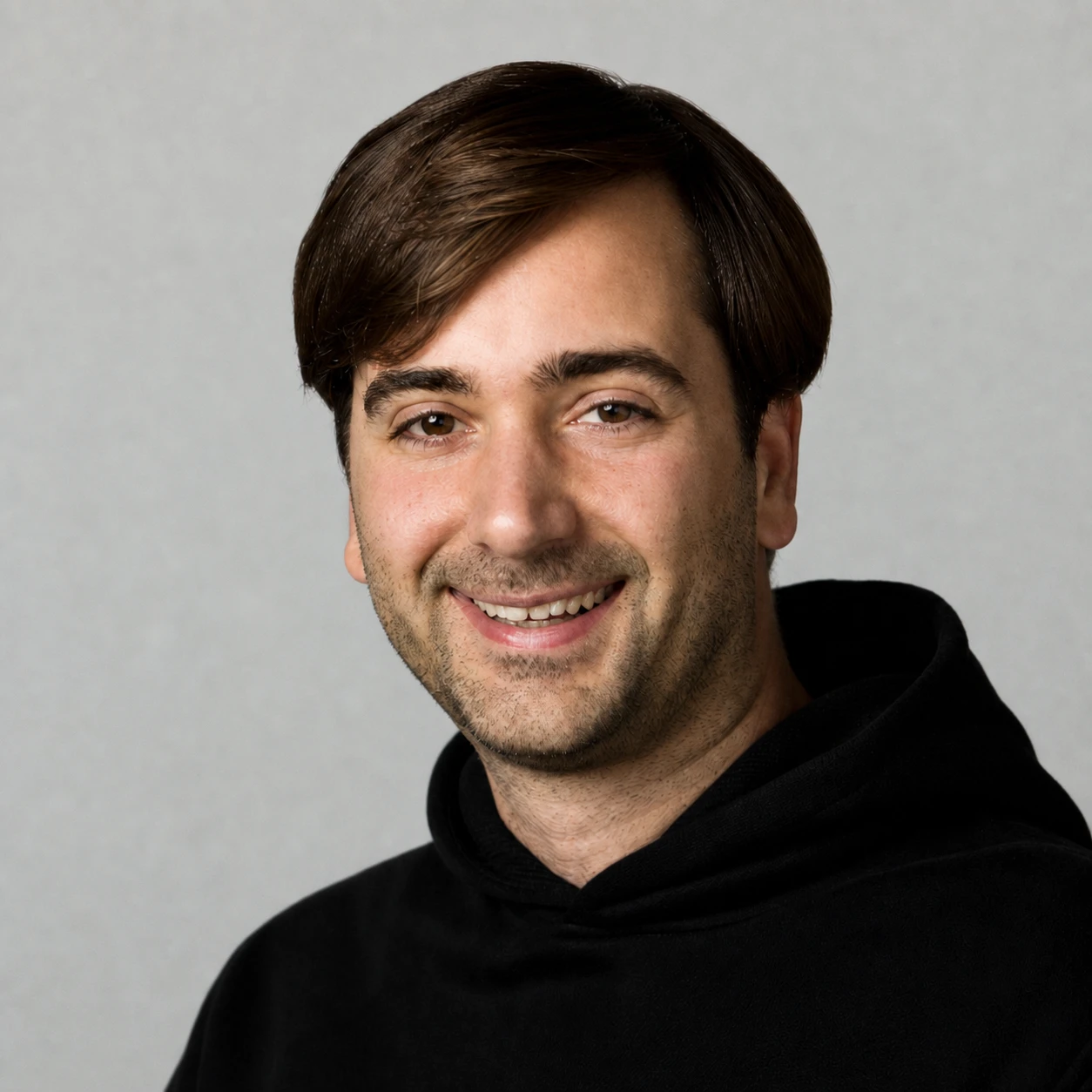
Thibault Sottiaux

Kath Korevec

Tara Seshan

Leah Belsky