Accelerar els descobriments científics amb ChatGPT per a investigadors acadèmics
Posem els nostres models i eines d’avantguarda a l’abast de 100.000 científics, matemàtics i enginyers, sense cap cost.
Actualització del 10 d’agost de 2026: Les noves persones sol·licitants passaran ara a una llista d’espera mentre revisem les més de 13.000 sol·licituds de la primera onada —que representen fins a 65.000 places per a investigadors— i seleccionem la cohort inicial de 10.000 places mitjançant un sorteig entre les persones sol·licitants elegibles. Les persones que no siguin seleccionades en aquesta cohort continuaran sent elegibles per a futures rondes de selecció quan es reobrin les sol·licituds més endavant aquesta tardor. Això ens permetrà centrar-nos a donar suport al primer grup d’investigadors mentre ampliem el programa.
Creiem que els beneficis de la IA d’avantguarda no s’han de concentrar en unes poques empreses i laboratoris amb molts recursos. El progrés científic depèn que els investigadors plantegin les preguntes adequades, posin a prova idees noves i aprofitin els descobriments d’altres investigadors. La nostra funció és posar eines potents a les seves mans i treballar-hi colze a colze per dissenyar models que accelerin la seva recerca sense que en perdin el control.
Presentem ChatGPT per a investigadors acadèmics, un programa que oferirà a 100.000 investigadors d’institucions acadèmiques seleccionades accés gratuït als nostres models d’avantguarda. El programa ajudarà investigadors de ciències, matemàtiques i enginyeria a abordar problemes avançats, accelerar els descobriments i millorar la productivitat, des de preparar sol·licituds de subvencions fins a comprovar hipòtesis.
Comencem aquest estiu amb 10.000 investigadors, i l’accés ja està disponible en institucions com l’Institute for Advanced Study (IAS) i l’École normale supérieure (ENS). Tenim previst ampliar el programa fins a 100.000 investigadors d’aquí al 2027. Els participants tindran accés als nostres models d’avantguarda, inclòs GPT‑5.6 Sol Pro en el llançament, i podran convidar fins a quatre col·laboradors de la seva institució. Els espais de treball inclouen proteccions de privadesa i seguretat de nivell empresarial i, per defecte, les dades no s’utilitzen per entrenar els nostres models. Els investigadors poden utilitzar eines i competències per a tasques que van de l’anàlisi genòmica i la modelització de proteïnes a les revisions bibliogràfiques, la redacció de subvencions i la publicació.
El programa també inclou formació, assistència pràctica i oportunitats per aprendre d’altres investigadors i compartir comentaris amb nosaltres.
A les institucions amb ChatGPT Edu, l’accés gratuït concedit mitjançant aquest programa es coordinarà a través de l'espai de treball de la institució. Més informació sobre ChatGPT Edu i sobre com OpenAI dona suport a l’educació superior.
ChatGPT per a investigadors acadèmics forma part d’un compromís de més de 250 milions de dòlars fins al 2027 per donar suport a la recerca científica externa i als descobriments. Això inclou NextGenAI, la nostra iniciativa de 50 milions de dòlars per donar suport a institucions de recerca, i la nostra col·laboració amb la Genesis Mission del Departament d’Energia per posar la IA d’avantguarda a l’abast dels investigadors de laboratoris nacionals i universitats. En conjunt, aquestes iniciatives reflecteixen la nostra convicció que el progrés científic s’accelera quan més investigadors disposen de les eines necessàries per desenvolupar les seves idees.
La IA s’està convertint en una eina de recerca més potent més de pressa del que molts esperaven. Cada setmana, aproximadament 1,3 milions de persones utilitzen ChatGPT per a ciència i matemàtiques avançades i generen uns 8,4 milions de missatges.
El canvi és especialment visible en les matemàtiques. En els darrers sis mesos, la IA ha passat d’utilitzar-se ocasionalment en problemes aïllats a formar part habitual de la recerca matemàtica. Cada cop més articles reconeixen la contribució de ChatGPT, fet que reflecteix la rapidesa amb què els investigadors incorporen aquestes eines a la seva feina.
* Mes incomplet; l’índex de text complet arriba actualment fins al 21 de juliol.
Els investigadors utilitzen ChatGPT i Codex en gairebé totes les etapes de la feina científica. ChatGPT ajuda els investigadors a examinar idees, adquirir coneixements, generar hipòtesis i comunicar els resultats. Codex facilita l’execució de la recerca i l’anàlisi formal, incloses la programació i l’anàlisi de resultats.
Proporció de sol·licituds de recerca científica per categoria del flux de treball científic i producte, del 21 de juny al 20 de juliol de 2026
Aquests patrons ja es manifesten en la recerca. El físic Rogerio Jorge i el seu equip utilitzen la IA per desenvolupar programari de codi obert per a la recerca sobre fusió, que la indústria i els laboratoris nacionals fan servir per dissenyar dispositius d’energia de fusió. En informàtica teòrica, els investigadors Barna Saha, Yinzhan Xu i Christopher Ye van utilitzar GPT‑5.5 Pro per elaborar una demostració que estableix nous límits sobre l’eficiència amb què els ordinadors poden resoldre problemes de geometria d’alta dimensió, i després en van validar i perfeccionar els resultats.
Els investigadors que utilitzen aquestes eines més intensament també assumeixen projectes més ambiciosos. Els investigadors que se situen en el 20 % superior d’ús de la IA dins del seu camp tenen gairebé el doble de probabilitats que els seus col·legues d’encarregar a la IA tasques que s’estima que requereixen quatre hores o més: prop del 7 % de les seves sol·licituds, en comparació amb el 3,5 % dels altres investigadors del mateix camp.
Proporció de sol·licituds científiques segons el temps estimat de treball humà actiu i la intensitat d’ús de la IA dels científics, del 21 de juny al 20 de juliol de 2026
La nostra estratègia no consisteix a decidir quins problemes científics mereixen atenció ni a intentar resoldre’ls tots nosaltres mateixos. Consisteix a posar eines potents a les mans de la comunitat investigadora i deixar que els investigadors explorin les qüestions que coneixen millor.
Els participants rebran accés gratuït als nostres models d’avantguarda a ChatGPT, ChatGPT Work i Codex, inclosa la família de models GPT‑5.6 en el llançament. També disposaran de més recerca profunda, límits d’ús més alts i finestres de context més grans. En conjunt, aquestes capacitats faciliten el raonament científic, l’execució agentiva i els fluxos de treball de recerca de diverses disciplines.
GPT‑5.6 Terra equilibra capacitat i eficiència per a la recerca quotidiana, GPT‑5.6 Luna ofereix respostes més ràpides per a tasques més senzilles i GPT‑5.6 Sol aborda els problemes científics i matemàtics més difícils. A FrontierMath Tier 4, que mesura el raonament matemàtic de nivell investigador, GPT‑5.6 Sol obté un 83 %, davant del 72,5 % de GPT‑5.5. A GeneBench Pro, que avalua l’anàlisi de dades biològiques complexes i el raonament científic, GPT‑5.6 Sol Pro resol el 31,5 % de les tasques.
Els investigadors poden utilitzar més de 75 competències de ciències de la vida(s'obre en una finestra nova) que abasten la genètica, la genòmica, la seqüenciació, l’anàlisi unicel·lular, la modelització de proteïnes i el descobriment de fàrmacs. Els connectors faciliten la recerca en diverses disciplines i donen accés a bibliografia científica, bases de dades públiques genòmiques i clíniques, imatges per satèl·lit, quaderns computacionals, plataformes de dades i gestors de referències.
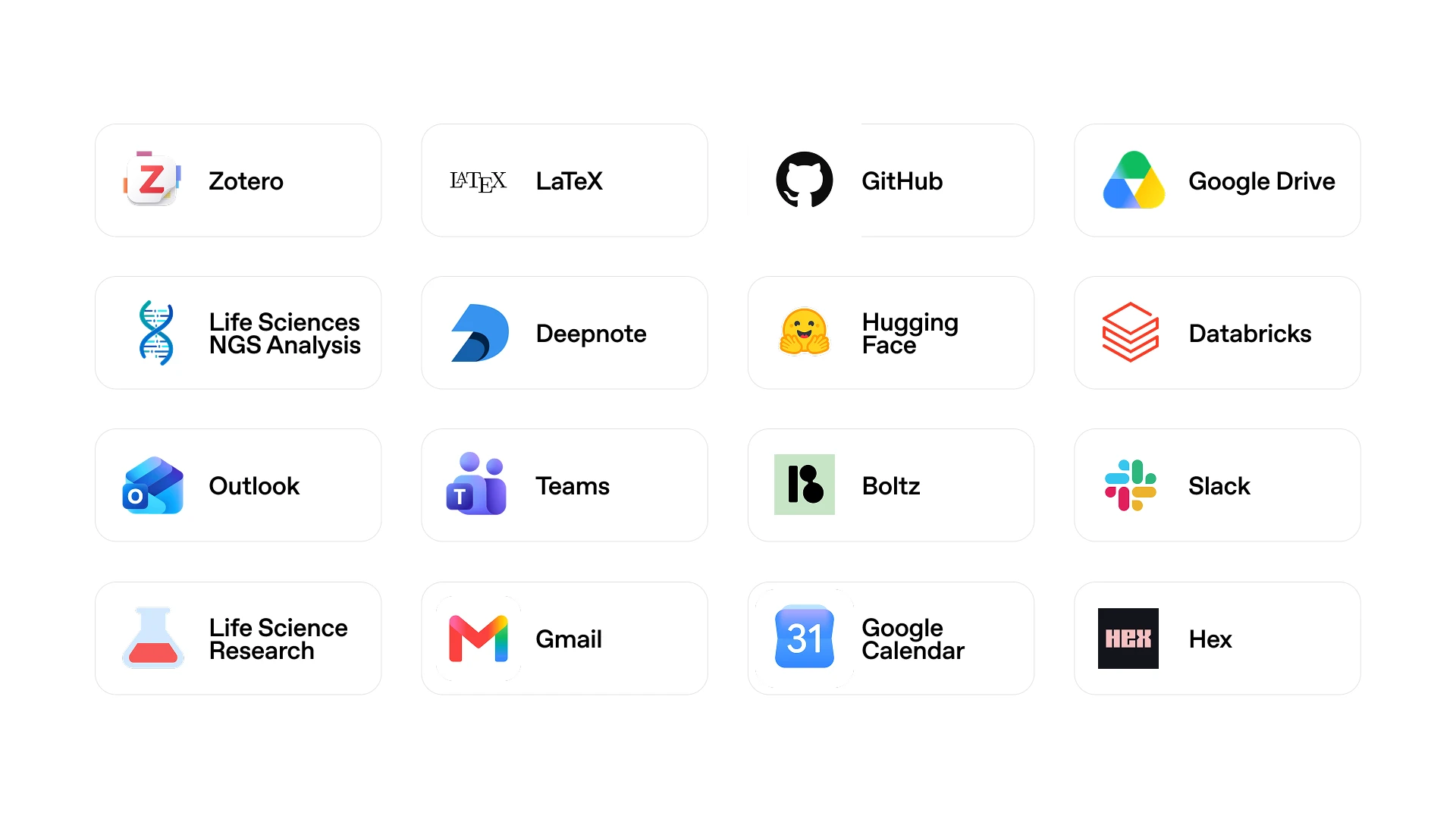
Exemples representatius de competències, connectors i eines disponibles a ChatGPT i Codex.
Codex pot ajudar a escriure i depurar codi, analitzar conjunts de dades i crear fluxos de treball reproduïbles. ChatGPT Work pot facilitar projectes més llargs, com ara cercar oportunitats de finançament, preparar sol·licituds de subvencions, revisar bibliografia, redactar manuscrits i crear materials per comunicar resultats.
Els investigadors tindran diferents nivells inicials d’experiència amb la IA. Alguns potser utilitzaran aquestes eines per primera vegada; d’altres poden estar desenvolupant aplicacions avançades en els seus camps.
El programa oferirà formació adaptada a diferents nivells d’experiència, des dels primers passos i la millora dels fluxos de treball fins a aplicacions avançades de recerca. Els participants tindran accés a especialistes familiaritzats amb els fluxos de treball de recerca, inclosa ajuda per integrar aquestes eines en la seva feina.
A mesura que coneguem els descobriments dels investigadors, volem crear més oportunitats perquè comparteixin mètodes pràctics, aprenguin els uns dels altres i destaquin usos en diverses disciplines. Els seus comentaris ens ajudaran a entendre on són útils els nostres models, on tenen mancances i com podem fer-los més valuosos per a la comunitat investigadora.
El programa inicial està obert a investigadors que compleixin els requisits en institucions acadèmiques seleccionades. Les institucions admeses(s'obre en una finestra nova) han de ser centres universitaris o universitats reconeguts, autoritzats a expedir títols i amb un nivell elevat d’activitat investigadora.
Els sol·licitants hauran de verificar la seva vinculació institucional i proporcionar informació sobre la seva recerca activa i l’ús científic previst. Els investigadors aprovats podran convidar fins a quatre col·laboradors de la seva institució. Cada col·laborador també haurà de verificar la seva vinculació i comptarà per al nombre total de comptes del programa.
Ja es poden presentar sol·licituds. Pots consultar els criteris d’admissió i presentar la sol·licitud aquí(s'obre en una finestra nova).