Ažuriranje od 22.9.2026.: Privatnu sigurnosnu obradu uvodimo za korisnike API-ja, a pristup se proširuje u fazama. Privatna sigurnosna obrada nam omogućava da nastavimo nuditi ZDR kako granični modeli postaju sposobniji. Ovo je tek početak, dok s našim korisnicima nastavljamo raditi na zajedničkim pristupima privatnosti i sigurnosti. Saznaj više o Privatnoj sigurnosnoj obradi u našem vodiču za programere(otvara se u novom prozoru).
Opcija bez zadržavanja podataka korisnicima API-ja koji ispunjavaju uslove pruža jasno obećanje: OpenAI ne zadržava njihove upite ni odgovore modela nakon obrade zahtjeva. Osoblje OpenAI-ja ne može pristupiti sadržaju korisnika radi pregleda1, a podaci poslovnih korisnika ne koriste se za obuku naših modela osim ako korisnici izričito pristanu.
Kako modeli preuzimaju duže i složenije zadatke, neki ozbiljni rizici mogu postati vidljivi tek kroz više interakcija. Postojeći sigurnosni sistemi kompatibilni sa ZDR-om procjenjuju svaku interakciju zasebno. Danas predstavljamo pregled Privatne sigurnosne obrade, osmišljene da prepozna obrasce u povezanim interakcijama bez omogućavanja osoblju OpenAI-ja da pristupi sadržaju na kojem se oni zasnivaju.
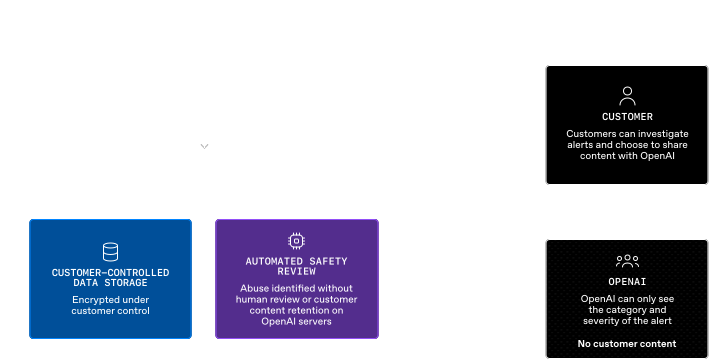
Kod primjena ZDR-a sadržaj korisnika ostaje na infrastrukturi kojom korisnik upravlja. Razvijamo i opciju u kojoj se sadržaj pohranjuje na infrastrukturi OpenAI-ja, šifriran ključevima koje kontrolira korisnik. U oba slučaja automatizirani sistemi mogu prepoznati moguću zloupotrebu i vratiti ograničene sigurnosne signale bez izlaganja temeljnih upita ili odgovora osoblju OpenAI-ja.
Najozbiljniji sigurnosni rizici povezani s AI-jem nisu uvijek vidljivi u jednoj interakciji. Potencijalno štetne namjere često postaju jasne tek kada se više interakcija sagleda zajedno. Slični rizici mogu nastati kada zlonamjerni akteri više puta ispituju zaštitne mjere, koordiniraju aktivnosti između računa ili prikrivaju prijetnje kao rutinska istraživanja. Rizici se mogu razviti i tokom izvršavanja zadatka putem agenta — naprimjer, ako sistem odstupi od namjere korisnika tako što nastavi djelovati nakon što mu je rečeno da stane.
Kako AI sistemi preuzimaju duže i složenije zadatke, ovaj širi kontekst postaje sve važniji za razlikovanje legitimnih aktivnosti od zloupotrebe i osiguravanje da AI agenti ostanu unutar granica dodijeljenih ovlaštenja.
Neke nedavne primjene graničnih modela zahtijevale su od korisnika da svom pružatelju AI usluga dopuste zadržavanje osjetljivog sadržaja radi sigurnosnog nadzora. Za mnoge organizacije takvi su zahtjevi u sukobu s njihovim sigurnosnim obavezama ili obavezama prema ljudima kojima služe.
Privatna sigurnosna obrada osmišljena je tako da možemo nastaviti nuditi ZDR.
Privatna sigurnosna obrada nadograđuje automatizirane zaštitne mjere koje se već koriste u ZDR-u i drugim vrstama primjene. Postojeći sigurnosni sistemi kompatibilni sa ZDR-om procjenjuju interakcije zasebno. Privatna sigurnosna obrada proširuje te zaštitne mjere na povezane interakcije, omogućavajući automatiziranim sistemima da prepoznaju obrasce bez pristupa osoblja OpenAI-ja zadržanom sadržaju korisnika.
Privatna sigurnosna obrada koristi sadržaj korisnika bez obzira na to gdje je pohranjen — na infrastrukturi kojom korisnici upravljaju (primjene ZDR-a) ili u pohrani koju pruža OpenAI. Kada pohranu pruža OpenAI, sadržaj korisnika šifrira se ključevima koje kontrolira korisnik. Osoblje OpenAI-ja nema kopiju tih ključeva pa ne može pristupiti sadržaju na kojem se obrada zasniva.
Kada se prepozna rizik, OpenAI prima strogo ograničen signal koji označava vrstu aktivnosti, slično našim postojećim sigurnosnim sistemima. Taj signal može poslužiti za utvrđivanje jesu li potrebne provedbene mjere. Osoblje OpenAI-ja ne dobiva pristup sadržaju korisnika čak ni kada je on označen.
Korisnici mogu istražiti upozorenja i odluke o provedbenim mjerama pomoću informacija dostupnih u vlastitim sistemima. Ako žele podnijeti žalbu, pojasniti legitimnu aktivnost ili podržati istragu potvrđene zloupotrebe, mogu odlučiti podijeliti relevantne informacije s OpenAI-jem.
Privatna sigurnosna obrada trenutno se testira s prvim korisnicima. Ovaj pregled objavljujemo sada jer su nam korisnici jasno poručili da im je potrebna predvidljivost u pogledu zaštite njihovog sadržaja dok AI sistemi postaju sposobniji.
Naša je misija osigurati da opća umjetna inteligencija koristi cijelom čovječanstvu. Saradnja s korisnicima i partnerima ključna je za način na koji razvijamo djelotvorne zaštitne mjere. Kao što jasno navode naša načela, nijedna AI laboratorija ne može sama odgovoriti na nove rizike. Privatna sigurnosna obrada odražava taj pristup i oblikuje se uz doprinos korisnika iz različitih industrija i regija te kompanija različitih veličina.
Organizacije s kojima sarađujemo rukuju nekim od najosjetljivijih informacija u svojim sektorima, uključujući finansijske evidencije, zdravstvene podatke, povjerljive poslovne planove i vlasnička istraživanja. Zaštita tih informacija neophodna je za ispunjavanje regulatornih obaveza, održavanje povjerenja korisnika i očuvanje njihove konkurentske prednosti.
Njihove povratne informacije pomažu nam da izgradimo snažnije zaštitne mjere, dok njihove informacije ostaju pod njihovom kontrolom.
Nastavit ćemo sarađivati s korisnicima na tehničkim i operativnim pojedinostima našeg pristupa. U septembru planiramo započeti uvođenje Privatne sigurnosne obrade i objaviti tehničku bijelu knjigu. Korisnike ćemo obavještavati u svakoj fazi: pravovremeno ćemo dijeliti novosti, objašnjavati šta one znače za postojeće obaveze te pružati vrijeme i podršku potrebne za planiranje.
Autor
- 1
Kao i drugi pružatelji graničnih modela, OpenAI je zakonski obavezan(otvara se u novom prozoru) prijaviti sadržaj koji očigledno prikazuje seksualno zlostavljanje djece (CSAM). Slike označene kao mogući CSAM i dalje će se zadržavati radi ručnog pregleda i prijavljivanja, čak i u primjenama bez zadržavanja podataka, kao što je slučaj i danas.