تخطي إلى المحتوى الرئيسي
OpenAI

أساس أقوى لذاكرة ChatGPT

تحسين تركيب الذاكرة في ChatGPT لتعزيز الحداثة والاستمرارية والملاءمة.

جاري التحميل...

نبدأ اليوم طرح نظام أكثر قدرة وقابلية للتوسع لتركيب الذاكرة، طُوّر لمعالجة تحديات التقادم والصحة وقابلية التوسع التي نلاحظها عند تطبيق الذاكرة على مئات الملايين من المستخدمين وآفاق زمنية تمتد لسنوات متعددة في ChatGPT.

الذاكرة هي ما يساعد ChatGPT على تعلّم تفضيلاتك ومشاريعك وقيودك، مما يتيح للمحادثات المستقبلية أن تبدأ من سياق مشترك بدلًا من البدء من الصفر.

على مدار العامين الماضيين، أصبحت الذاكرة جزءًا بالغ الأهمية من تجربة ChatGPT، إذ تساعد ChatGPT على فهم سياقك بشكل أفضل ليتمكن من مساعدتك على تحقيق أهداف ذات معنى مع مرور الوقت. هذا أساسي لجعل ChatGPT أكثر فائدة: أن يعرفك، ويساعدك، وينجز المزيد من أجلك.

يتوفر هذا التحديث اليوم لمستخدمي Plus وPro في الولايات المتحدة، وسيُطرح في بلدان إضافية ولمستخدمي النسخة المجانية وGo خلال الأسابيع المقبلة.

كيف تطورت الذاكرة

أُطلقت الذاكرة لأول مرة في أبريل 2024 (وتُعرف أيضًا بالذاكرة المحفوظة). أتاحت لك الميزة أن تطلب من ChatGPT تذكّر المعلومات ونقلها إلى المحادثات المستقبلية.
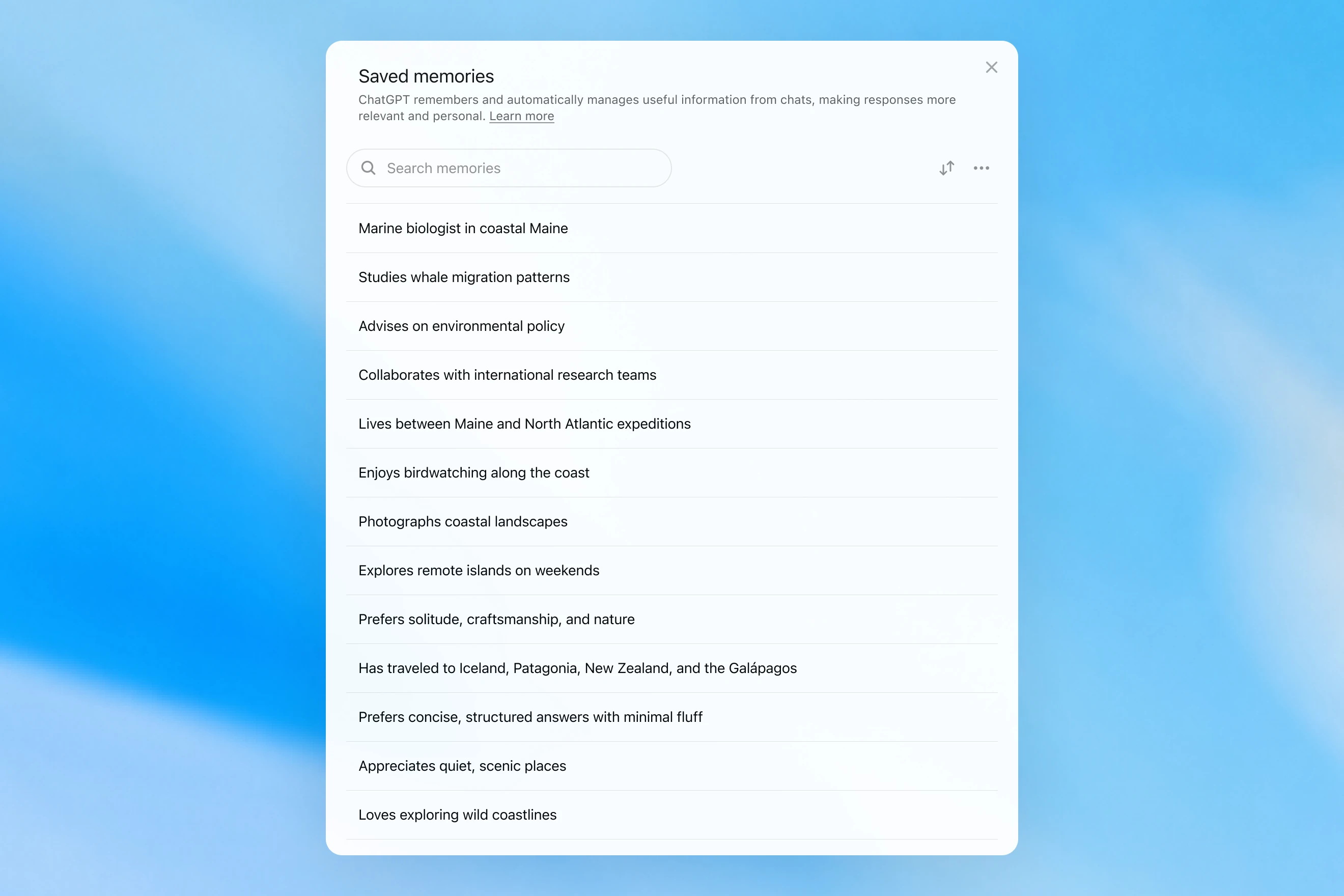
Saved memories modal showing a searchable list of personal details, including work, interests, travel, and response preferences.

كانت الذاكرة المحفوظة تُكتب فقط أثناء المحادثة وتعتمد على إشارات قوية لتحديد وقت تفعيل الذاكرة، مثل تعليمة تقول: «تذكّر أنني سأسافر إلى سنغافورة في يوليو». عمليًا، قد يبدو التفاعل مع هذا النظام كأنك تتحدث إلى شخص دوّن بضع ملاحظات، لكنه لا يزال ينسى كل ما لم يُكتب. تميل الذاكرة المحفوظة أيضًا إلى التقادم مع مرور الوقت، وتصبح في النهاية غير صحيحة أو غير ذات صلة.

في أبريل 2025، حدّثنا ذاكرة ChatGPT من خلال منح النموذج القدرة على الرجوع إلى سياق المحادثات خارج قائمة الذاكرة المحفوظة؛ وقد تم ذلك عبر تقديم الإصدار الأول من نظام Dreaming، وهو أسلوب يتيح لـ ChatGPT تنسيق الذاكرة تلقائيًا في الخلفية بالرجوع إلى سجل المحادثات.
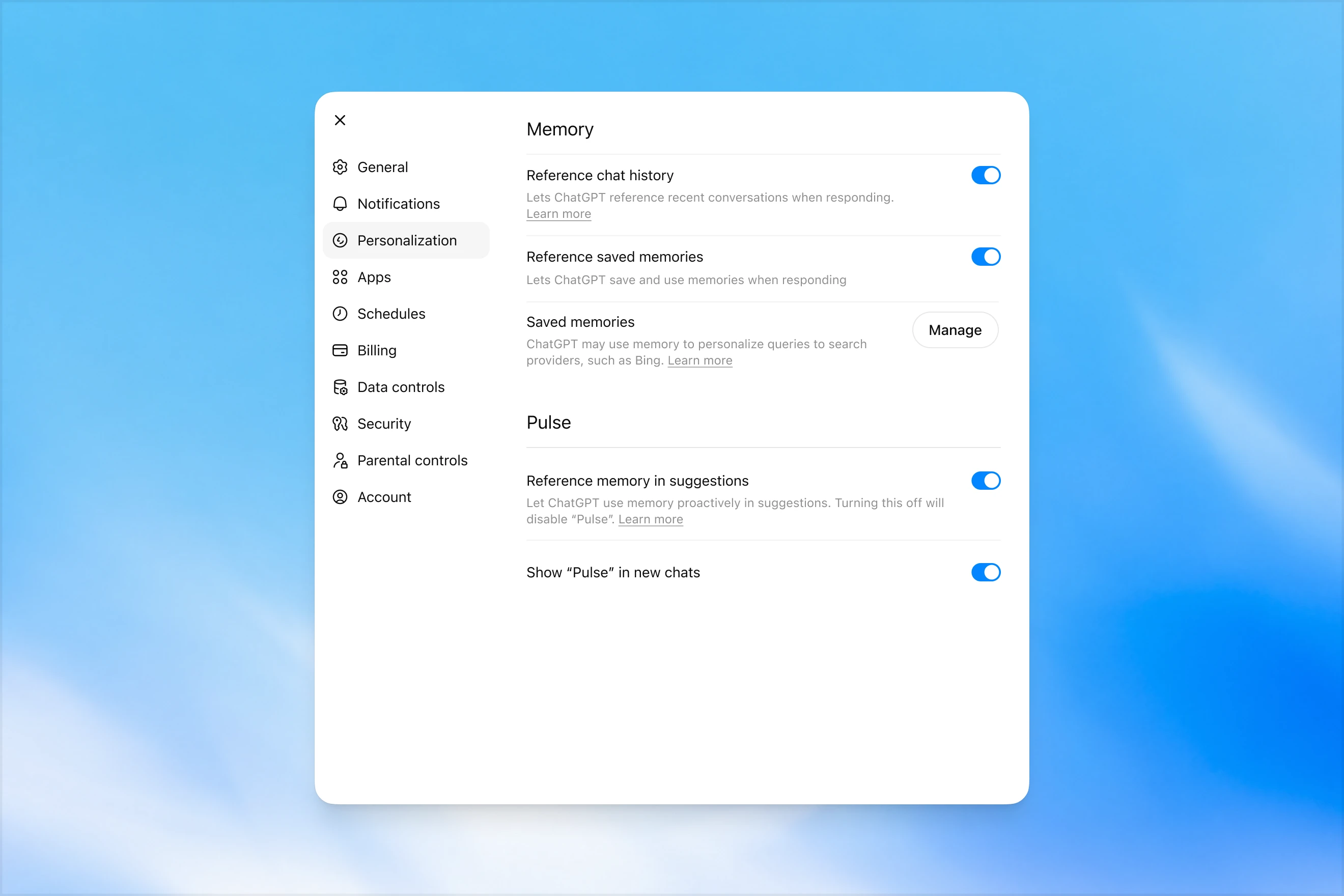
Memory settings page in ChatGPT showing options to reference chat history, use saved memories, manage saved memories, and enable Pulse memory suggestions.

وعلى النقيض من الذاكرة المحفوظة، يستفيد نظام Dreaming من عملية تعمل في الخلفية تتيح لـ ChatGPT التعلّم من محادثات كثيرة وتركيب حالة ذاكرة ChatGPT، لكي يوفّر دائمًا أحدث سياق وأكثره صلة بمحادثاتك. كما يسهّل نظام Dreaming على الذاكرة تضمين السياق الذي يحدث بصورة طبيعية في المحادثة، من دون الاعتماد على طلبات صريحة لتذكّر شيء ما.

على مدار العام الماضي، استكمل نظام Dreaming الذاكرة المحفوظة ليحقق تحسنًا نوعيًا في قدرة ChatGPT على تخصيص الاستجابات وتعويض تقادم الذاكرات المحفوظة. ومع ذلك، لم يكن تاريخيًا كافيًا قط كنظام ذاكرة مستقل.

اليوم، نطلق بنية ذاكرة أكثر قدرة بكثير وأكثر كفاءة حوسبيًا، مبنية على نظام Dreaming.

يمكن مراجعة الذاكرة التي يركّبها نظام Dreaming من خلال ملخّص لها يظهر في صفحة ملخص الذاكرة. من ملخص الذاكرة، يمكنك بسرعة الاطلاع على أبرز ما يعرفه ChatGPT عنك، وإضافة معلومات عن نفسك أو تحديثها، وتقديم تعليمات حول الموضوعات التي ينبغي لـ ChatGPT طرحها ومتى. إذا أردت التعمق في مجال معين لمعرفة المزيد، فما عليك سوى الدردشة مع النموذج.
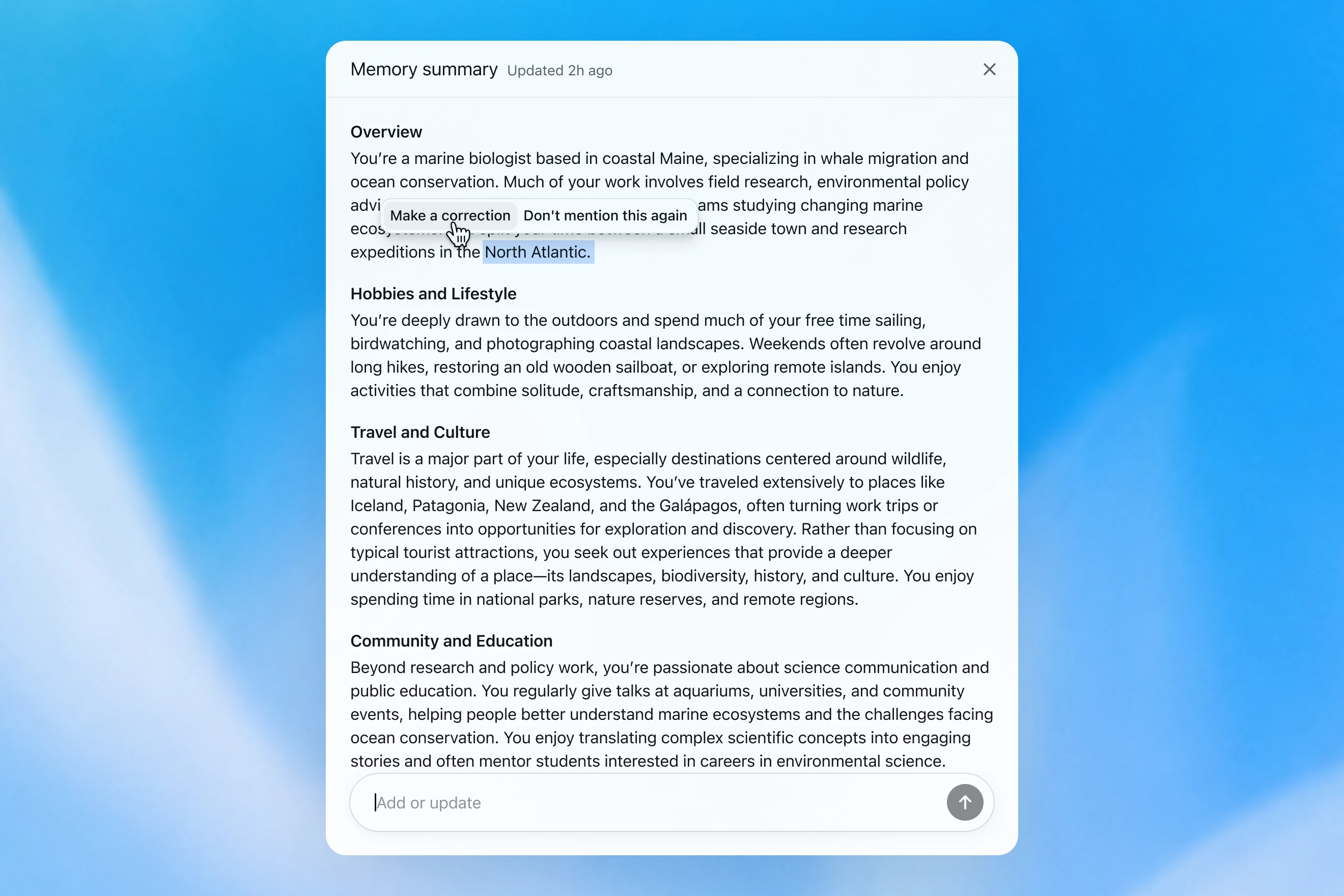
Memory summary modal showing a personalized overview of a user’s work, hobbies, travel interests, and community involvement, with options to correct or dismiss specific details.

كيف نقيّم الذاكرة

عندما نفكر في شكل «الذاكرة الجيدة» في ChatGPT، تتبادر إلى الذهن أمور عدة:

  1. نقل السياق المفيد إلى الأمام: تخبر ChatGPT بشيء مرة واحدة، فيتذكر تلك المعلومة في محادثاتك اللاحقة.
  2. اتباع التفضيلات والقيود: إذا وصفت تفضيلًا ما (مثلًا، أنك نباتي)، فينبغي لـ ChatGPT اتخاذ إجراءات متسقة مع ذلك التفضيل مستقبلًا.
  3. البقاء مواكبًا بمرور الوقت: ينبغي أن تراعي الذاكرة مرور الوقت. تخيّل: «يخطط المستخدم لحفل عيد ميلاده السبت المقبل»؛ وفي النهاية، يأتي يوم الأحد.

يمكننا تقييم مدى تحسّن ذاكرة ChatGPT Plus وPro بمرور الوقت في ما يتعلق بكل هدف من أهداف الذاكرة الثلاثة المذكورة أعلاه. نفعل ذلك لكل مما يلي:

  1. 2024: الذاكرة المحفوظة
  2. 2025: الذاكرة المحفوظة + Dreaming V0
  3. 2026: Dreaming V3

نقل السياق إلى الأمام

عندما تبدأ محادثة جديدة مع ChatGPT، لا تحتاج إلى تقديم نفسك من الصفر. يمكن لـ ChatGPT أن يوفر وقتك ويبني على السياق السابق، خاصة في المشاريع المعقدة والممتدة.

على سبيل المثال، تخيّل أنك تستخدم ChatGPT للتسوق بحثًا عن معدات كاميرا جديدة متوافقة مع كاميرتك الحالية. إذا كنت قد ناقشت إعداد كاميرتك مع ChatGPT في الماضي، فيمكنك طلب منتجات متوافقة مع «إعداد التصوير الخاص بي» والحصول على توصيات مخصصة تلبي احتياجاتك.

GPT-5.2 Instant

What would I need to buy to use TTL for my underwater photography setup?

To use TTL flash underwater, you need a compatible chain from camera → housing/trigger → cable → strobe. What you buy depends mostly on whether your setup uses fiber-optic TTL or electrical TTL.

Basic shopping checklist

  • TTL-capable underwater strobe
    Look for strobes that support your TTL type, such as Inon S-TTL, Sea & Sea DS-TTL, Ikelite DS TTL, or compatible Backscatter/Nauticam systems. TTL has to be supported by the strobe, not just the camera.
  • TTL trigger or TTL converter
    This is the key piece. It translates your camera’s flash metering into something the underwater strobe can understand. Examples include Nauticam optical TTL converters, Sea & Sea TTL converters, Backscatter Smart Control optical TTL triggers, or Ikelite DS Link TTL converters, depending on housing and camera brand. Backscatter notes that Nauticam optical TTL converters can work with fiber-optic-connected Inon and Sea & Sea TTL strobes, while Ikelite’s DS Link converters are made around Ikelite DS strobes and electrical sync setups. (Backscatter.com(يفتح في نافذة جديدة))
  • Connection cable
    For fiber optic TTL, buy one fiber optic cable per strobe. Ikelite’s fiber-optic guide says each strobe needs its own light path, converter/adapter, and cord. (Ikelite(يفتح في نافذة جديدة))
    For
    electrical TTL, buy the correct sync cord, such as Ikelite-style, Nikonos 5-pin, or housing-specific bulkhead cable.
  • Housing compatibility parts
    You may need a hot-shoe adapter, bulkhead, fiber optic window/adapter, or housing-specific TTL board. Many TTL triggers mount inside the housing on the camera hot shoe.
  • Strobe arms, clamps, tray, and mounting hardware
    TTL controls exposure, but you still need to physically mount and aim the strobes.
  • Batteries and spares
    Bring strobe batteries, trigger batteries if required, spare fiber optic cables or sync cord O-rings, and silicone grease for serviceable O-rings.

Which route should you choose?

Fiber optic TTL is usually easiest if your housing has optical ports or can use the camera’s pop-up flash/LED trigger. It is common with compact, mirrorless, Nauticam, Sea & Sea, AOI, and Olympus/OM TG-style setups.

Electrical TTL is often best if you use Ikelite DS strobes or an Ikelite-style housing/bulkhead. Ikelite says its DS Link TTL converters are faster and more reliable than fiber-optic TTL triggers, and they do not require batteries. (Backscatter.com(يفتح في نافذة جديدة))

The compatibility rule

You need all three to match:

camera brand/protocol + housing/trigger type + strobe TTL system

For example:

  • Sony camera + Nauticam housing + optical TTL trigger + Inon/Sea & Sea-compatible fiber optic strobe
  • Nikon/Canon/Sony camera + Ikelite housing/bulkhead + Ikelite DS Link TTL converter + Ikelite DS strobe
  • Compact camera with built-in flash + fiber optic cable + S-TTL/DS-TTL-capable strobe

So the practical answer is: buy a TTL-compatible strobe, the correct TTL trigger/converter for your camera and housing, and the right fiber optic or electrical sync cable. The exact part numbers depend on your camera, housing, and strobe model.

ينتج النموذج استجابة عامة تترك للمستخدم إجراء عمليات تحقق معقدة من التوافق بنفسه.

GPT-5.3 Instant

What would I need to buy to use TTL for my underwater photography setup?

I’ll verify this against your actual setup: Sony A1 II in Nauticam NA-A1II, with Backscatter Mini Flash 3 and Inon Z-330 strobes. The key question is whether you want TTL with the Mini Flash 3, the Z-330s, or both.

For your setupSony A1 II + Nauticam NA-A1II + Backscatter Mini Flash 3 + Inon Z-330 — there are two different TTL paths:

Best buy for Mini Flash 3 TTL

Buy:

Backscatter Smart Control TTL LED Nauticam Flash Trigger for Sony
SKU: BS-TR-SN2

Backscatter lists it as custom-designed for Nauticam full-frame Sony housings, TTL-compatible with Mini Flash 3, and the NA-A1II housing page offers it as the “Backscatter Smart Control TTL Flash Trigger” option. (Backscatter.com(يفتح في نافذة جديدة))

You’d use normal optical fiber cables from the housing to the Mini Flash 3. On the MF-3, you’d use SC or SC Macro mode; Backscatter says SC / SC Macro are the TTL modes for Mini Flash 3, with SC Macro specifically tuned for close macro work. (Backscatter.com(يفتح في نافذة جديدة))

For Inon Z-330 TTL

For the Inon Z-330, the relevant unit is:

UW Technics 11075-HSS TTL Converter for Sony / Nauticam

UW Technics explicitly lists Inon Z-330 as a compatible TTL strobe and supports optical TTL output. (UWTechnics(يفتح في نافذة جديدة))

But I would not buy this for Mini Flash 3 TTL. Backscatter’s own UW Technics listing says Backscatter strobes are manual / HSS only on that converter, while the Backscatter Smart Control trigger is the one listed for Sony TTL with the Mini Flash 3. (Backscatter.com(يفتح في نافذة جديدة))

Practical recommendation

Since you shoot macro and have the Mini Flash 3, I’d buy the Backscatter Smart Control TTL LED Nauticam Flash Trigger for Sony — BS-TR-SN2.

The catch: there probably is no single trigger that gives true TTL for both the Mini Flash 3 and Inon Z-330 at the same time. The Backscatter trigger is the right TTL solution for the MF-3; the UW Technics converter is the right TTL solution for the Z-330. So choose based on which strobe you actually want TTL for.

For your use case, I’d prioritize Mini Flash 3 TTL / SC Macro and treat the Z-330s as manual when needed.

يتذكر النموذج إعداد كاميرا المستخدم ويوصي بمنتج متوافق.

يجيب GPT‑5.2 Instant في النهاية عن السؤال، لكنه، وفي محاولة لشرح حدوده المتعلقة بالأمان، يقدّم تمهيدًا مطوّلًا يشرح فيه ما لا يمكنه المساعدة فيه. أما GPT‑5.3 Instant، من ناحية أخرى، فيدخل مباشرةً في صلب الموضوع.

يمكننا بناء تقييم من أمثلة تشبه هذا، حيث يُطلب من النموذج الرد على مطالبة تتطلب منه استرجاع معلومات واقعية عن المستخدم. ثم يُكافأ النموذج إذا استجاب بطريقة تستخدم السياق ذي الصلة استخدامًا صحيحًا. في هذا التقييم، يحسّن النظام الجديد القائم على نظام Dreaming قدرة النموذج على استرجاع الحقائق ذات الصلة.

اتباع التفضيلات

تساعد الذاكرة أيضًا ChatGPT على الاستجابة بطرق تتوافق بشكل أفضل مع تفضيلاتك وقيودك.

تخيّل أنك تخطط لرحلة إلى سنغافورة. قبل رحلتك بشهرين، تطلب من ChatGPT المساعدة في إعداد برنامج الرحلة. يعرف ChatGPT بالفعل من تخطيط سفر سابق أنك تستمتع بتصوير الحياة البرية، وتفضّل الفنادق ذات تكييف الهواء القوي، وتفضّل عشاءً هادئًا على حانة مزدحمة.

GPT-5.2 Instant
Help me plan a trip to Singapore. I'm going to be there for a work trip in July and will have a few days free at the end.

Great add-on city for a work trip: Singapore is compact, safe, excellent for solo exploring, and easy to do in 2–4 free days. July is hot and humid; expect daytime highs around 31–33°C / 88–91°F, warm nights, and sudden rain, so plan outdoor time early morning or after 5 p.m. and keep midday for museums, malls, cafés, or hotel downtime. Singapore’s official weather service notes typical daily highs of 31–33°C and lows of 23–25°C. (Singapore Weather Service(يفتح في نافذة جديدة))

memory-preferences-without

A strong 3-day plan

Day 1: Marina Bay, Gardens, and skyline

Start late afternoon at Marina Bay and walk the waterfront: Merlion Park, Helix Bridge, ArtScience Museum exterior, then into Gardens by the Bay. Book Cloud Forest, Flower Dome, and either the OCBC Skyway or Supertree Observatory if views matter to you. Gardens by the Bay lists Cloud Forest and Flower Dome as open daily 9 a.m.–9 p.m.; Supertree Observatory is also listed as 9 a.m.–9 p.m. with last admission at 8:30 p.m., but check maintenance closures before booking. (Gardens by the Bay(يفتح في نافذة جديدة))

Evening: stay for the Supertree light show area, then dinner at Lau Pa Sat for an easy first-night hawker experience near the CBD. It has 80+ stalls and local staples like satay, laksa, nasi lemak, bak kut teh, kaya toast, and char kway teow. (Laupasat(يفتح في نافذة جديدة))

Day 2: Culture neighborhoods and food

Morning: Chinatown. Visit Buddha Tooth Relic Temple, walk the shophouse streets, and eat at Maxwell Food Centre or Chinatown Complex Food Centre. Visit Singapore lists Maxwell, Chinatown Complex, Old Airport Road, Tiong Bahru Market, Newton, and others among popular hawker centres. (Visit Singapore(يفتح في نافذة جديدة))

Afternoon: Kampong Glam and Haji Lane for Sultan Mosque, murals, boutiques, and cafés. Then head to Little India around golden hour for temples, flower garlands, Tekka Centre, and dinner.

Evening: either cocktails around Ann Siang / Club Street, or keep it low-key with a night walk along the Singapore River: Boat Quay to Clarke Quay to Robertson Quay.

Day 3: Nature or beach day

Pick one based on your energy.

For nature: do Singapore Botanic Gardens early, then the National Orchid Garden, followed by lunch in Dempsey Hill or Tiong Bahru. This is the best “green Singapore” day without leaving the city.

For beach/resort mode: go to Sentosa. Choose the southern beaches, Fort Siloso Skywalk, or a beach club. I would skip trying to do every Sentosa attraction unless you love theme parks.

For local food focus: do Tiong Bahru Market for breakfast, National Gallery Singapore midday, then Old Airport Road Food Centre for dinner. The official events page also shows exhibitions and cultural events, so it is worth checking once your exact July dates are fixed. (Visit Singapore(يفتح في نافذة جديدة))

Best places to stay after the work part

Marina Bay / CBD is easiest if you want polished, walkable, skyline-heavy Singapore and minimal transit.

Chinatown / Telok Ayer / Tanjong Pagar is my top pick for a few free days: great food, MRT access, heritage streets, cocktail bars, and close to work districts.

Bugis / Kampong Glam is better if you want boutique hotels, cafés, street art, and a slightly more relaxed neighborhood feel.

Orchard is convenient for shopping and rainy-day malls, but less atmospheric.

What to book ahead

Book Gardens by the Bay conservatories/Skyway, any special restaurants, and possibly a cocktail bar. For hawker centres, do not over-plan; just go hungry, carry tissues or wet wipes, and be ready to share tables.

July packing notes

Bring breathable work clothes, comfortable walking shoes, a small umbrella, and a light layer for aggressive air-conditioning. I would also plan one “rain-flexible” indoor block each day, because showers can arrive suddenly even when the forecast looks fine.

My suggested balance: Day 1 Marina Bay/Gardens, Day 2 Chinatown–Kampong Glam–Little India, Day 3 Botanic Gardens or Sentosa. That gives you the Singapore highlights without turning your post-work break into another work project.

ينتج النموذج استجابة عامة ذات طابع سياحي أكثر، ولا تساعد في حجز الفندق، وتتجاهل إلى حد كبير اهتمامات المستخدم.

GPT-5.3 Instant
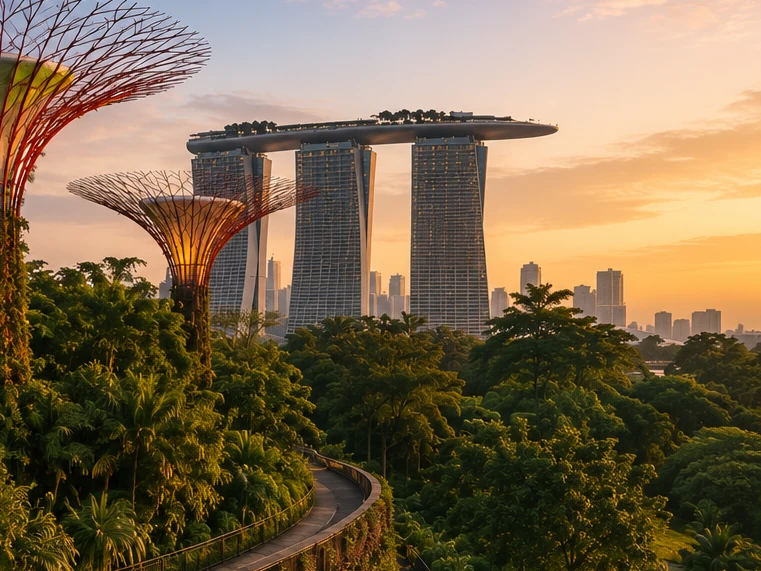
Help me plan a trip to Singapore. I'm going to be there for a work trip in July and will have a few days free at the end.

I’ll build this around your known constraints: a few free days after work, hot/humid July weather, wildlife/photography/nature bias, strong AC needs for sleep, and good but not overly social dining. I’ll verify current July logistics and then give a practical short itinerary rather than a generic Singapore list.

memory-preferences-with

Here’s how I’d structure it: 2–3 free days, mostly nature / wildlife / photography, with heat-managed mornings and AC breaks. July is hot and humid: Singapore’s July long-term stats are about 31.4°C / 88.5°F average daily max, 25.4°C / 77.7°F min, 146.6 mm rain, and 14 rain days, so outdoor plans should be early morning or evening, not midday. (National Environment Agency(يفتح في نافذة جديدة))

Best plan for 3 free days

Day 1 — Gardens by the Bay + Marina Bay, low-friction

Morning: Cloud Forest + Flower Dome. This is the obvious “touristy” pick, but it fits you well because it’s visually interesting, good for photography, and climate-controlled. Gardens by the Bay lists Cloud Forest and Flower Dome-type attractions running 9:00am–9:00pm, and Cloud Forest currently has the Jurassic World experience listed as ongoing. (Gardens by the Bay(يفتح في نافذة جديدة))

Late afternoon / evening: Supertree Grove + Borealis / light show. Gardens currently lists Borealis every Sat, Sun & Mon, 8:00–8:30pm at Supertree Grove, so try to align this with one of those nights. (Gardens by the Bay(يفتح في نافذة جديدة))

Dinner: do something easy nearby: Marina Bay / Tanjong Pagar / Telok Ayer. For you, I’d prioritize reservation-based restaurants with real tables over hawker centers on the first night, because you dislike cramped solo seating.

Day 2 — Mandai wildlife day

Morning to afternoon: Bird Paradise + River Wonders. Bird Paradise is probably the best fit photographically; River Wonders is less “wildlife photography” and more controlled exhibits, but it pairs well logistically. River Wonders is listed as daily 9:00am–6:00pm, last entry 5:00pm. (Mandai Wildlife Reserve(يفتح في نافذة جديدة))

Evening: Night Safari. This is the rare Singapore attraction that is genuinely better at night and avoids the worst heat. Night Safari is listed as daily 6:00pm–12:00am, last entry 11:15pm, with tram plus walking trails and over 900 nocturnal animals. (Mandai Wildlife Reserve(يفتح في نافذة جديدة))

This is a full day. I would not add Singapore Zoo unless you have 4 free days; Mandai can become exhausting fast.

Day 3 — Nature reserve / macro-ish walking + food

Early morning: Singapore Botanic Gardens or MacRitchie / Windsor Nature Park. For a few free days, Botanic Gardens is the safer pick: easier transport, less sweaty, better bailout options, and more consistent casual photography. MacRitchie / Windsor is better if you want more actual forest, but it is hotter, sweatier, and less predictable.

Midday: AC break.

Late afternoon: Joo Chiat / Katong or Chinatown / Telok Ayer for walking, architecture, coffee, and dinner. This gives you a different texture from Marina Bay without turning the day into a logistics project.

My ranking for you

  1. Cloud Forest / Gardens by the Bay — best combination of photogenic, iconic, heat-managed.
  2. Bird Paradise + Night Safari — best wildlife-focused day.
  3. Botanic Gardens early morning — best low-stress outdoor nature.
  4. Joo Chiat / Katong — best neighborhood walk.
  5. Hawker centers — worth doing, but not ideal for your seating preferences unless timed off-peak.

What I’d avoid or deprioritize

I would skip Sentosa unless you specifically want beach/resort stuff. I would also skip a packed “greatest hits” day of Merlion / Orchard / Little India / Chinatown / Clarke Quay; it’s inefficient and hot. For you, the trip will be better if each day has one strong anchor plus one easy evening plan.

Hotel / sleep note

Since this is a work trip, your hotel may be fixed. If you can choose or extend at the same hotel, the hard gate is still AC. Singapore hotels are generally AC-heavy, but your requirement is unusually strict.

One thing I need to make this concrete

Send the exact free dates and whether your work hotel is fixed. Then I’d turn this into a day-by-day plan with restaurant targets and a hotel/AC callout.

ينتج النموذج استجابة مخصصة لاهتمامات المستخدم بتصوير الحياة البرية والعشاء الهادئ وأولوياته عند حجز فندق.

يجيب GPT‑5.2 Instant في النهاية عن السؤال، لكنه، وفي محاولة لشرح حدوده المتعلقة بالأمان، يقدّم تمهيدًا مطوّلًا يشرح فيه ما لا يمكنه المساعدة فيه. أما GPT‑5.3 Instant، من ناحية أخرى، فيدخل مباشرةً في صلب الموضوع.

يمكن أن تتخذ التفضيلات أشكالًا عدة:

  1. تعليمات حول كيفية استجابة ChatGPT («لا تذكر ستان مرة أخرى»).
  2. تفضيلاتك أو قيودك الشخصية («أنا نباتي»)
  3. تفضيلات ضمنية تشكّل ما يهمك («أعيش بالقرب من سان فرانسيسكو» ← ينبغي تخصيص الخيارات المحلية لهذه المنطقة)

في تطوير نظام الذاكرة الجديد، حسّنا قدرة ChatGPT على تطبيق التفضيلات ذات الصلة من المحادثات السابقة. باتباع مثال «أنا نباتي» أعلاه، يمكننا تقييم ما إذا كان النموذج يستفيد من الذاكرة بشكل صحيح لإنتاج خيارات طعام مناسبة للنباتيين عندما يطلب مستخدم نباتي اقتراحات لتحضير الوجبات.

البقاء مواكبًا بمرور الوقت

لا يتوقف الزمن عندما تنتهي محادثتك.

يمكن أن تصبح أنظمة الذاكرة التقليدية متقادمة. على سبيل المثال، تقول لـ ChatGPT: «أنا في سنغافورة وأحتاج إلى توصية لعشاء الليلة». ثم يمر الوقت، وتنتهي رحلتك، وتتساءل لماذا لا يزال ChatGPT يعتقد أنك في سنغافورة.

مع نظام Dreaming، تُحدّث الذاكرة تلقائيًا مع مرور الوقت، مما يتيح لـ ChatGPT مراجعة ذاكرته من «ستذهب إلى سنغافورة في يوليو» إلى «ذهبت إلى سنغافورة في يوليو 2026» عندما تنتهي الرحلة. ثم، عندما تعود إلى المنزل، يمكن لـ ChatGPT مجددًا تقديم توصيات مخصصة لموقع منزلك ومنطقتك الزمنية.

GPT-5.2 Instant

Help me find something for take-out tonight that's still open.

It’s about 5:19 AM Sunday in Singapore, so your safest take-out/delivery bets are 24-hour places.

Best bets right now:

  1. McDelivery / McDonald’s Singapore — easiest islandwide option; McDonald’s says McDelivery is available 24 hours, 7 days a week. Breakfast menu should be on now. (McDonald's Singapore(يفتح في نافذة جديدة))
  2. Srisun Express — good for prata, Indian Muslim food, local comfort food; their site says they’re halal-certified and open 24/7. (Sri Sun Express(يفتح في نافذة جديدة))
  3. 89.7 Supper Club — good if you’re near Changi Village or Geylang East; their outlets page says both locations are open 24 hours, 7 days a week. (89.7 Supper Club(يفتح في نافذة جديدة))
  4. 126 Dim Sum Wen Dao Shi — worth checking on GrabFood/foodpanda if you’re in the East; a 2025 guide says it runs till 5:30 AM on weekdays and round-the-clock on weekends. Since it’s Sunday morning, it may still be available. (Eatbook(يفتح في نافذة جديدة))
  5. Prata around Geylang / Serangoon / Bedok / Jalan Kayu — look in GrabFood or Google Maps for “prata open now”; guides list multiple 24-hour prata/supper spots, including Mufiz Prata Corner and RK Eating House. (Eatbook(يفتح في نافذة جديدة))

For the fastest path: open GrabFood / foodpanda / Deliveroo, set filter to Open now, then search “prata,” “McDonald’s,” “Srisun,” “89.7,” “dim sum,” or “nasi lemak.” If you tell me your neighborhood or nearest MRT, I’ll narrow it to specific nearby places.

يعتقد النموذج أن المستخدم لا يزال في سنغافورة.

GPT-5.3 Instant

Help me find something for take-out tonight that's still open.

I’ll use Portola Valley / Ladera as the starting point and prioritize places that are plausibly open for takeout tonight, then narrow to low-friction options rather than a huge list.

For tonight, Saturday May 30, near Ladera / Portola Valley, I’d start here:

  1. Alpine Inn — safest casual pickup option. Open Saturday until 9:30 pm and has Order Takeout on its site. Good for burgers / tavern food. (Rossotti's Alpine Inn(يفتح في نافذة جديدة))
  2. Taverna Portola Valley — nearby at Ladera Country Shopper; open daily, Saturday dinner until 9:00 pm. Better if you want Greek / Mediterranean. (TAVERNA Portola Valley(يفتح في نافذة جديدة))
  3. Portola Bistro — also nearby; Saturday dinner until 9:30 pm. Good option for Italian / Mediterranean / pizza-ish dinner. (Portola Bistro -(يفتح في نافذة جديدة))
  4. Amigos Grill — Mexican, very close in Ladera Country Shopper. Official site says call to order at 650-851-3997; DoorDash / order.online lists pickup/delivery ordering until 8:40 pm. (Amigos Grill(يفتح في نافذة جديدة))
  5. State of Mind Slice House, Palo Alto — best fallback if you want pizza and can drive farther; Friday–Saturday hours are 11 am–10 pm. (State of Mind Slice House(يفتح في نافذة جديدة))

My pick: Alpine Inn for easiest local takeout, Taverna if you want something less heavy, State of Mind if it’s later and you want the most reliable post-9 pm option.

يقدّم النموذج استجابات ذات صلة بموقع منزل المستخدم.

يجيب GPT‑5.2 Instant في النهاية عن السؤال، لكنه، وفي محاولة لشرح حدوده المتعلقة بالأمان، يقدّم تمهيدًا مطوّلًا يشرح فيه ما لا يمكنه المساعدة فيه. أما GPT‑5.3 Instant، من ناحية أخرى، فيدخل مباشرةً في صلب الموضوع.

في تقييمات الذاكرة لدينا، نقيس ما إذا كان ChatGPT يستطيع الاستجابة بشكل صحيح للمطالبات التي يؤثر فيها مرور الوقت تأثيرًا جوهريًا في الإجابة أو التوصية الصحيحة. يوفر نظام Dreaming تحسنًا كبيرًا في هذا المجال:

أساس أكثر قابلية للتوسع للمستقبل

في OpenAI، تتمثل مهمتنا في ضمان أن يعود الذكاء الاصطناعي العام بالنفع على البشرية جمعاء.

رغم أن الذاكرة القائمة على نظام Dreaming كانت متاحة لمستخدمي Plus وPro منذ بعض الوقت، لا يمكننا إلا الآن أن نقدّم لمستخدمي النسخة المجانية إصدارًا يلبّي معيار الجودة لدينا ويكون عمليًا لتقديمه على نطاق واسع. خفضت التحسينات الأخيرة مقدار الحوسبة المطلوبة لتقديم نظام Dreaming لمستخدمي النسخة المجانية بنحو 5 أضعاف، مما يجعل من الممكن بدء طرح نظام Dreaming لمستخدمي النسخة المجانية خلال الأسابيع المقبلة وزيادة سعة الذاكرة لمستخدمي Plus وPro.

وبالنظر إلى المستقبل، يوفّر لنا نظام Dreaming الآن أساس ذاكرة مشتركًا لجميع المستخدمين. يمثل هذا التحديث نظام الذاكرة الأكثر قدرة لدينا حتى الآن، وسنواصل تحسينه.

لمعرفة المزيد عن هذا الإصدار وعناصر تحكم المستخدم في الذاكرة، تفضّل بزيارة الأسئلة الشائعة حول الذاكرة(يفتح في نافذة جديدة).


المؤلف

OpenAI