Accelerarea descoperirilor științifice cu ChatGPT pentru cercetători universitari
Punem gratuit modelele și instrumentele noastre de vârf la dispoziția a 100.000 de oameni de știință, matematicieni și ingineri.
Actualizare din 10 august 2026: Noii candidați vor fi înscriși acum pe o listă de așteptare în timp ce analizăm cele peste 13.000 de candidaturi din primul val, reprezentând până la 65 000 de locuri pentru cercetători, și selectăm cohorta inițială de 10.000 de locuri printr-o tragere la sorți în rândul candidaților eligibili. Cei care nu sunt selectați în această cohortă vor rămâne eligibili pentru viitoarele runde de selecție, atunci când candidaturile se vor redeschide mai târziu în această toamnă. Acest lucru ne va permite să ne concentrăm pe sprijinirea primului grup de cercetători pe măsură ce extindem programul.
Credem că beneficiile AI de vârf nu ar trebui să se concentreze în câteva companii și laboratoare cu resurse ample. Progresul științific depinde de cercetători care formulează întrebările potrivite, testează idei noi și valorifică descoperirile altora. Rolul nostru este să le oferim instrumente puternice și să colaborăm cu ei pentru a concepe modele care le accelerează cercetarea, păstrându-le totodată controlul.
Lansăm ChatGPT pentru cercetători universitari, un program care va oferi unui număr de 100.000 de cercetători din instituții academice selectate acces gratuit la modelele noastre de vârf. Programul îi va ajuta pe cercetătorii din științe, matematică și inginerie să abordeze probleme avansate, să accelereze descoperirile și să-și sporească productivitatea, de la pregătirea cererilor de finanțare până la testarea ipotezelor.
Începem în această vară cu 10.000 de cercetători, iar accesul este deja disponibil la instituții precum Institute for Advanced Study (IAS) și École normale supérieure (ENS). Intenționăm să extindem programul la 100.000 de cercetători până în 2027. Participanții vor avea acces la modelele noastre de vârf, inclusiv la GPT‑5.6 Sol Pro la lansare, și vor putea invita până la patru colaboratori din instituția lor. Spațiile de lucru includ protecții pentru confidențialitate și securitate la nivel de companie, iar datele nu sunt folosite implicit pentru antrenarea modelelor noastre. Cercetătorii pot folosi instrumente și competențe pentru activități de la analiza genomică și modelarea proteinelor până la analiza literaturii, redactarea cererilor de finanțare și publicare.
Programul include și instruire, asistență practică și oportunități de a învăța de la alți cercetători și de a ne transmite feedback.
Pentru instituțiile care folosesc ChatGPT Edu, accesul gratuit acordat prin acest program va fi coordonat prin spațiul de lucru al instituției. Află mai multe despre ChatGPT Edu și despre modul în care OpenAI sprijină învățământul superior.
ChatGPT pentru cercetători universitari face parte dintr-un angajament de peste 250 de milioane $ până în 2027 pentru susținerea cercetării științifice externe și a descoperirilor. Acesta include NextGenAI, inițiativa noastră de 50 de milioane $ care sprijină instituțiile de cercetare, precum și colaborarea cu Genesis Mission a Departamentului Energiei, pentru a pune AI de vârf la dispoziția cercetătorilor din laboratoarele naționale și universități. Împreună, aceste eforturi reflectă convingerea noastră că progresul științific se accelerează atunci când mai mulți cercetători au instrumentele necesare pentru a-și urma propriile idei.
AI devine un instrument de cercetare tot mai capabil, mai repede decât se așteptau mulți. În fiecare săptămână, aproximativ 1,3 milioane de persoane folosesc ChatGPT pentru științe și matematică avansate, generând circa 8,4 milioane de mesaje.
Schimbarea este vizibilă mai ales în matematică. În ultimele șase luni, AI a trecut de la utilizarea ocazională pentru probleme izolate la un rol mai constant în cercetarea matematică. Tot mai multe lucrări recunosc acum contribuția ChatGPT, reflectând rapiditatea cu care cercetătorii adoptă aceste instrumente în activitatea lor.
* Lună incompletă; indexul textului integral acoperă în prezent perioada până la 21 iulie.
Cercetătorii folosesc ChatGPT și Codex în aproape fiecare etapă a activității științifice. ChatGPT îi ajută pe cercetători să analizeze critic idei, să dobândească cunoștințe, să genereze ipoteze și să-și comunice rezultatele. Codex sprijină desfășurarea cercetării și analiza formală, inclusiv scrierea codului și analizarea rezultatelor.
Ponderea solicitărilor de cercetare științifică după categoria fluxului de lucru științific și produs, 21 iunie–20 iulie 2026
Aceste tipare se regăsesc deja în cercetare. Fizicianul Rogerio Jorge și echipa sa folosesc AI pentru a dezvolta software open-source destinat cercetării fuziunii, utilizat de companii și laboratoare naționale pentru proiectarea dispozitivelor de energie de fuziune. În informatica teoretică, cercetătorii Barna Saha, Yinzhan Xu și Christopher Ye au folosit GPT‑5.5 Pro pentru a elabora o demonstrație care stabilește noi limite privind eficiența cu care computerele pot rezolva probleme de geometrie în dimensiuni mari, apoi au validat și rafinat ei înșiși rezultatele.
Cercetătorii care folosesc cel mai intens aceste instrumente abordează și proiecte mai ambițioase. Cercetătorii din primii 20% ca utilizare a AI în domeniul lor au o probabilitate aproape dublă față de colegii lor de a-i solicita AI sarcini estimate la patru ore sau mai mult: aproape 7% dintre solicitările lor, comparativ cu 3,5% în rândul celorlalți cercetători din același domeniu.
Ponderea solicitărilor științifice după timpul estimat de muncă umană activă și intensitatea utilizării AI de către cercetători, 21 iunie–20 iulie 2026
Strategia noastră nu este să decidem ce probleme științifice merită atenție sau să încercăm să le rezolvăm singuri pe toate. Strategia este să oferim comunității de cercetare instrumente performante și să le permitem cercetătorilor să urmărească întrebările pe care le cunosc cel mai bine.
Participanții vor primi acces gratuit la modelele noastre de vârf în ChatGPT, ChatGPT Work și Codex, inclusiv la familia de modele GPT‑5.6, disponibilă la lansare. De asemenea, vor beneficia de acces extins la cercetare aprofundată, limite de utilizare mai mari și ferestre contextuale mai ample. Împreună, aceste capabilități susțin raţionamentul științific, execuția autonomă și fluxurile de cercetare din diverse discipline.
GPT‑5.6 Terra echilibrează performanța și eficiența pentru cercetarea de zi cu zi, GPT‑5.6 Luna oferă răspunsuri mai rapide pentru sarcini mai ușoare, iar GPT‑5.6 Sol abordează cele mai dificile probleme științifice și matematice. În FrontierMath Tier 4, care măsoară raţionamentul matematic la nivel de cercetare, GPT‑5.6 Sol obține 83%, comparativ cu 72,5% pentru GPT‑5.5. În GeneBench Pro, care evaluează analiza complexă a datelor biologice și raţionamentul științific, GPT‑5.6 Sol Pro rezolvă 31,5% dintre sarcini.
Cercetătorii pot folosi peste 75 de competențe pentru științele vieții(se deschide într-o fereastră nouă), care acoperă genetica, genomica, secvențierea, analiza unicelulară, modelarea proteinelor și descoperirea medicamentelor. Conectorii sprijină cercetarea în diverse discipline, oferind acces la literatura științifică, baze de date publice genomice și clinice, imagini din satelit, medii interactive de calcul, platforme de date și aplicații de gestionare a referințelor.
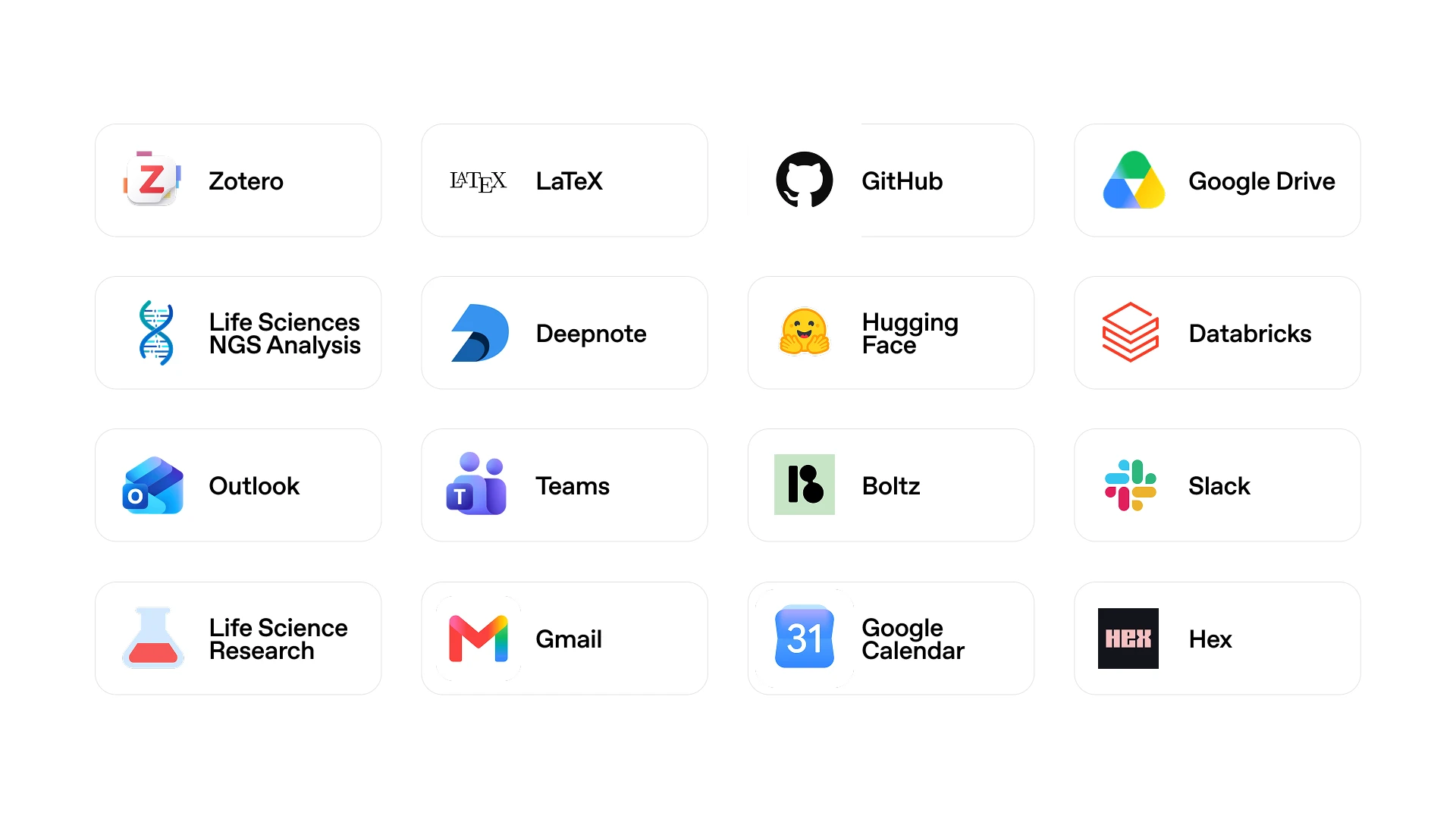
Exemple reprezentative de competențe, conectori și instrumente disponibile în ChatGPT și Codex.
Codex poate ajuta la scrierea și depanarea codului, analizarea seturilor de date și crearea unor fluxuri de lucru reproductibile. ChatGPT Work poate sprijini proiecte mai îndelungate, precum identificarea oportunităților de finanțare, pregătirea cererilor de finanțare, analiza literaturii, redactarea manuscriselor și crearea materialelor pentru comunicarea rezultatelor.
Cercetătorii vor porni de la niveluri diferite de experiență cu AI. Unii pot folosi aceste instrumente pentru prima dată, iar alții pot dezvolta deja aplicații avansate în domeniile lor.
Programul va oferi instruire adaptată diferitelor niveluri de experiență, de la inițiere și îmbunătățirea fluxurilor de lucru până la aplicații avansate de cercetare. Participanții vor avea acces la specialiști familiarizați cu fluxurile de cercetare, inclusiv pentru ajutor la integrarea acestor instrumente în activitatea lor.
Pe măsură ce vedem ce descoperă cercetătorii, intenționăm să creăm mai multe oportunități prin care aceștia să împărtășească abordări practice, să învețe unii de la alții și să evidențieze utilizări din diverse discipline. Feedbackul lor ne va ajuta să înțelegem unde sunt utile modelele noastre, unde au neajunsuri și cum le putem face mai valoroase pentru comunitatea de cercetare.
Programul inițial este deschis cercetătorilor eligibili din instituțiile academice selectate. Instituțiile eligibile(se deschide într-o fereastră nouă) trebuie să fie colegii sau universități acreditate, care acordă diplome și desfășoară o activitate intensă de cercetare.
Solicitanții vor trebui să-și verifice afilierea instituțională și să ofere informații despre cercetarea lor activă și utilizarea științifică avută în vedere. Cercetătorii aprobați pot invita până la patru colaboratori din instituția lor. Fiecare colaborator trebuie, de asemenea, să-și verifice afilierea și este inclus în numărul total de conturi al programului.
Înscrierile sunt deschise începând de astăzi. Poți consulta criteriile de eligibilitate și îți poți depune candidatura aici(se deschide într-o fereastră nouă).