Ubrzavanje znanstvenih otkrića uz ChatGPT za akademske istraživače
Stotinu tisuća znanstvenika, matematičara i inženjera dobit će besplatan pristup našim najnaprednijim modelima i alatima.
Ažuriranje od 10. kolovoza 2026.: novi podnositelji prijava sada će se pridružiti listi čekanja dok pregledavamo više od 13 000 prijava iz prvog kruga – koje predstavljaju do 65 000 istraživačkih korisničkih mjesta – i putem lutrije među podnositeljima prijava koji ispunjavaju uvjete odabiremo početnu skupinu od 10 000 mjesta. Oni koji ne budu odabrani u ovoj skupini i dalje će ispunjavati uvjete za buduće krugove odabira kada se prijave ponovno otvore kasnije ove jeseni. To će nam omogućiti da se usredotočimo na podršku prvoj skupini istraživača dok širimo program.
Vjerujemo da koristi najnaprednijeg AI-ja ne bi trebale biti ograničene na nekoliko tvrtki i dobro opremljenih laboratorija. Znanstveni napredak ovisi o tome postavljaju li istraživači prava pitanja, ispituju li nove ideje i nadograđuju li otkrića drugih. Naša je uloga pružiti im moćne alate i surađivati s njima na razvoju modela koji ubrzavaju njihova istraživanja, a pritom im omogućuju da zadrže nadzor.
Predstavljamo ChatGPT za akademske istraživače, program koji će 100 000 istraživača na odabranim akademskim ustanovama omogućiti besplatan pristup našim graničnim modelima. Program će istraživačima u prirodnim i tehničkim znanostima te matematici pomoći u rješavanju naprednih problema, ubrzavanju otkrića i povećanju produktivnosti, od pripreme prijava za financiranje do ispitivanja hipoteza.
Ovog ljeta započinjemo s 10.000 istraživača, a pristup je već dostupan na ustanovama kao što su Institute for Advanced Study (IAS) i École normale supérieure (ENS). Do 2027. planiramo obuhvatiti 100.000 istraživača. Sudionici će imati pristup našim najnaprednijim modelima, uključujući GPT‑5.6 Sol Pro pri pokretanju programa, te će moći pozvati do četiri suradnika iz svoje ustanove. Radni prostori obuhvaćaju zaštitu privatnosti i sigurnosti na poslovnoj razini, a podaci se prema zadanim postavkama ne upotrebljavaju za obuku naših modela. Istraživači mogu upotrebljavati alate i vještine za poslove od genomske analize i modeliranja proteina do pregleda literature, pisanja prijava za financiranje i objavljivanja.
Program uključuje i obuku, praktičnu podršku te prilike za učenje od drugih istraživača i razmjenu povratnih informacija s nama.
Za ustanove koje imaju ChatGPT Edu, besplatan pristup odobren u sklopu ovog programa koordinirat će se putem radnog prostora ustanove. Saznajte više o usluzi ChatGPT Edu i načinu na koji OpenAI podržava visoko obrazovanje.
ChatGPT za akademske istraživače dio je ulaganja većeg od 250 milijuna USD do 2027. u potporu vanjskim znanstvenim istraživanjima i otkrićima. To uključuje NextGenAI, našu inicijativu vrijednu 50 milijuna USD koja podupire istraživačke ustanove, te suradnju s Misijom Genesis Ministarstva energetike kako bi najnapredniji AI postao dostupan istraživačima u nacionalnim laboratorijima i na sveučilištima. Svi ti napori odražavaju naše uvjerenje da se znanstveni napredak ubrzava kada više istraživača ima alate za razvoj vlastitih ideja.
Umjetna inteligencija postaje sve sposobniji istraživački alat brže nego što su mnogi očekivali. Svakog tjedna oko 1,3 milijuna ljudi upotrebljava ChatGPT za naprednu znanost i matematiku, pri čemu generiraju oko 8,4 milijuna poruka.
Promjena je osobito vidljiva u matematici. U posljednjih šest mjeseci umjetna inteligencija prešla je put od povremene uporabe za izdvojene probleme do redovitijeg dijela matematičkih istraživanja. Sve više radova sada navodi doprinos ChatGPT‑a, što pokazuje koliko brzo istraživači usvajaju te alate u svojem radu.
* Nepotpun mjesec; indeks cjelovitih tekstova trenutačno obuhvaća razdoblje do 21. srpnja.
Istraživači upotrebljavaju ChatGPT i Codex u gotovo svakoj fazi znanstvenog rada. ChatGPT pomaže istraživačima preispitivati ideje, stjecati znanje, stvarati hipoteze i priopćavati rezultate. Codex pomaže u provedbi istraživanja i formalnoj analizi, uključujući pisanje koda i analizu rezultata.
Udio zahtjeva za znanstvena istraživanja prema kategoriji znanstvenog tijeka rada i proizvodu, 21. lipnja – 20. srpnja 2026.
Ti obrasci postaju vidljivi u istraživanjima. Fizičar Rogerio Jorge i njegov tim upotrebljavaju umjetnu inteligenciju za razvoj softvera otvorenog koda za istraživanje fuzije, kojim se industrija i nacionalni laboratoriji služe pri projektiranju uređaja za fuzijsku energiju. U teorijskom računarstvu istraživači Barna Saha, Yinzhan Xu i Christopher Ye upotrijebili su GPT‑5.5 Pro za izradu dokaza kojim su utvrdili nova ograničenja učinkovitosti računalnog rješavanja problema geometrije u mnogo dimenzija, a zatim su sami provjerili i doradili rezultate.
Istraživači koji se tim alatima služe najintenzivnije ujedno se prihvaćaju ambicioznijih poslova. Znanstvenici koji prema uporabi umjetne inteligencije spadaju među vodećih 20 % u svojem području gotovo dvostruko češće od kolega traže od AI-ja da obavi zadatke za koje se procjenjuje da zahtijevaju četiri sata ili više: gotovo 7 % njihovih zahtjeva, u usporedbi s 3,5 % među drugim istraživačima u istom području.
Udio znanstvenih zahtjeva prema procijenjenom vremenu aktivnog ljudskog rada i intenzitetu uporabe AI-ja među znanstvenicima, 21. lipnja – 20. srpnja 2026.
Naša strategija nije odlučivati koji znanstveni problemi zaslužuju pozornost niti ih pokušati sve riješiti sami. Cilj je moćne alate staviti u ruke istraživačke zajednice i omogućiti istraživačima da se posvete pitanjima koja najbolje poznaju.
Sudionici će dobiti besplatan pristup našim najnaprednijim modelima u proizvodima ChatGPT, ChatGPT Work i Codex, uključujući obitelj modela GPT‑5.6 pri pokretanju programa. Dobit će i proširene mogućnosti dubinskog istraživanja, veće kvote uporabe i veće kontekstne prozore. Te mogućnosti zajedno podržavaju znanstveno rasuđivanje, izvršavanje zadataka s pomoću agenata i istraživačke tijekove rada u različitim disciplinama.
GPT‑5.6 Terra uravnotežuje sposobnost i učinkovitost za svakodnevna istraživanja, GPT‑5.6 Luna pruža brže odgovore za jednostavnije zadatke, a GPT‑5.6 Sol rješava najteže znanstvene i matematičke probleme. Na testu FrontierMath Tier 4, kojim se mjeri matematičko rasuđivanje na istraživačkoj razini, GPT‑5.6 Sol postiže 83 %, u usporedbi sa 72,5 % modela GPT‑5.5. Na testu GeneBench Pro, kojim se procjenjuju složena analiza bioloških podataka i znanstveno rasuđivanje, GPT‑5.6 Sol Pro rješava 31,5 % zadataka.
Istraživači mogu upotrebljavati više od 75 vještina iz bioznanosti(otvara se u novom prozoru) koje obuhvaćaju genetiku, genomiku, sekvenciranje, analizu pojedinačnih stanica, modeliranje proteina i otkrivanje lijekova. Poveznici podržavaju istraživanja u različitim disciplinama pružajući pristup znanstvenoj literaturi, javnim genomskim i kliničkim bazama podataka, satelitskim snimkama, računalnim bilježnicama, podatkovnim platformama i alatima za upravljanje referencama.
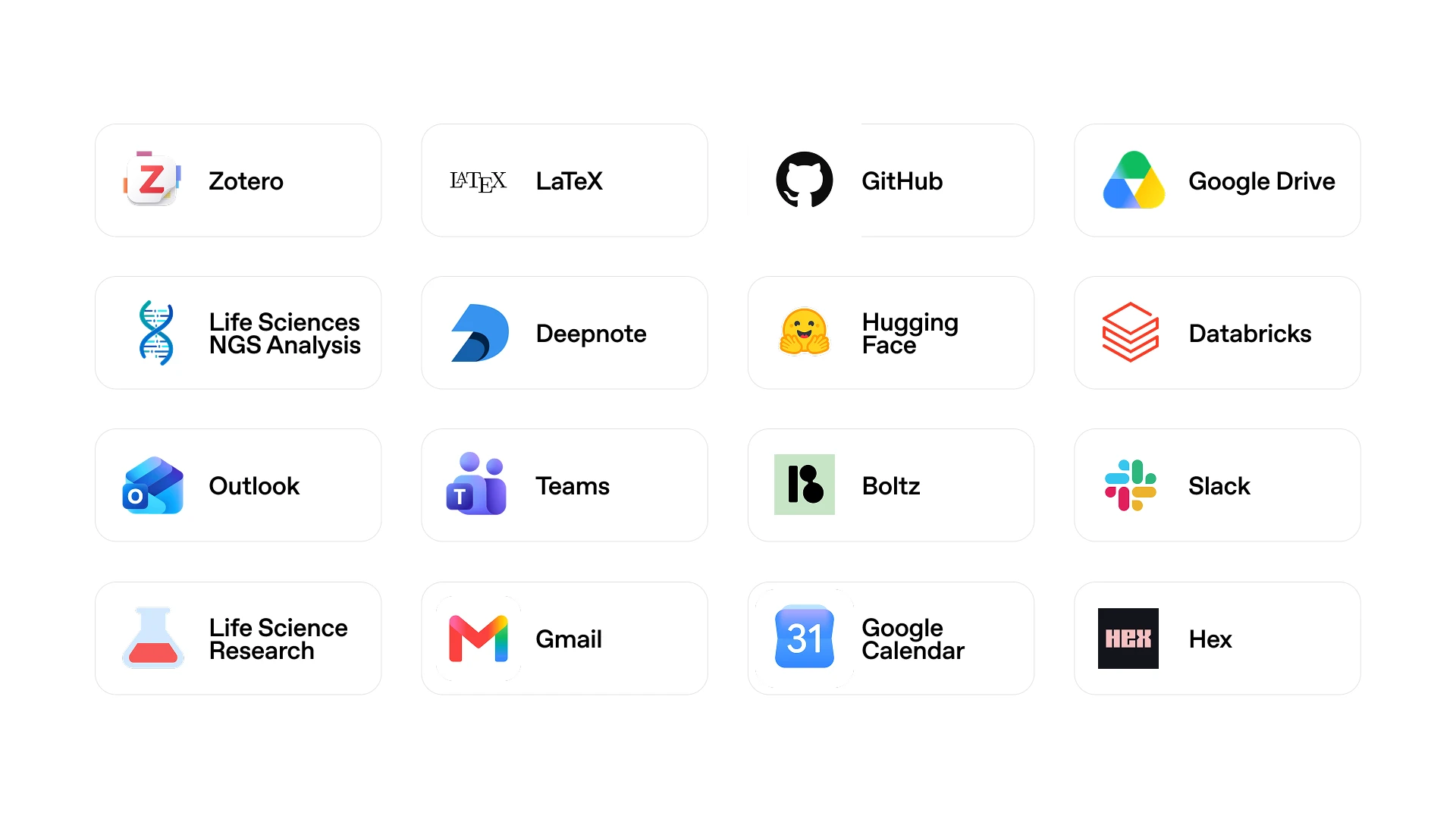
Reprezentativni primjeri vještina, poveznika i alata dostupnih u proizvodima ChatGPT i Codex.
Codex može pomoći pri pisanju i otklanjanju pogrešaka u kodu, analizi skupova podataka i izradi ponovljivih tijekova rada. ChatGPT Work može podržati dulje projekte, poput pronalaženja prilika za financiranje, pripreme prijava za financiranje, pregleda literature, izrade nacrta rukopisa i materijala za predstavljanje rezultata.
Istraživači će imati različite razine početnog iskustva s umjetnom inteligencijom. Neki će se tim alatima možda služiti prvi put, dok drugi možda razvijaju napredne primjene u svojim područjima.
Program će nuditi obuku prilagođenu različitim razinama iskustva, od prvih koraka i poboljšanja tijekova rada do naprednih istraživačkih primjena. Sudionicima će biti dostupni stručnjaci upoznati s istraživačkim tijekovima rada, uključujući pomoć pri uvođenju tih alata u njihov rad.
Kako budemo pratili otkrića istraživača, planiramo stvarati više prilika da razmjenjuju praktične pristupe, uče jedni od drugih i ističu primjene u različitim disciplinama. Njihove povratne informacije pomoći će nam razumjeti gdje su naši modeli korisni, gdje imaju nedostatke i kako ih učiniti korisnijima istraživačkoj zajednici.
Početni program otvoren je kvalificiranim istraživačima na odabranim akademskim ustanovama. Prihvatljive ustanove(otvara se u novom prozoru) moraju biti priznata visoka učilišta ili sveučilišta koja dodjeljuju akademske stupnjeve i imaju visoku razinu istraživačke aktivnosti.
Podnositelji prijave morat će potvrditi pripadnost ustanovi te navesti podatke o svojem aktivnom istraživanju i planiranoj znanstvenoj uporabi. Odobreni istraživači mogu pozvati do četiri suradnika iz svoje ustanove. Svaki suradnik također mora potvrditi pripadnost ustanovi i ubraja se u ukupan broj računa u programu.
Prijave su otvorene od danas. Kriterije prihvatljivosti možete pregledati i prijaviti se ovdje(otvara se u novom prozoru).