The WebMCP Challenge
Meet the winning teams exploring what’s possible when people and agents use the web together.
Make the web work with agents
WebMCP ↗(opens in a new window) is an experimental open standard that lets websites expose structured tools agents can use directly. Instead of leaving agents to guess their way through your UI, you define exactly how they can use your app, so they complete tasks faster, more accurately, and more reliably.
The WebMCP Challenge invited builders to create apps that become meaningfully better when people and their agents can use them together.
Winning teams

MASIL(opens in a new window)
A creative space that helps Korean elders practice calligraphy and play Janggi with an agent through voice and direct interaction.
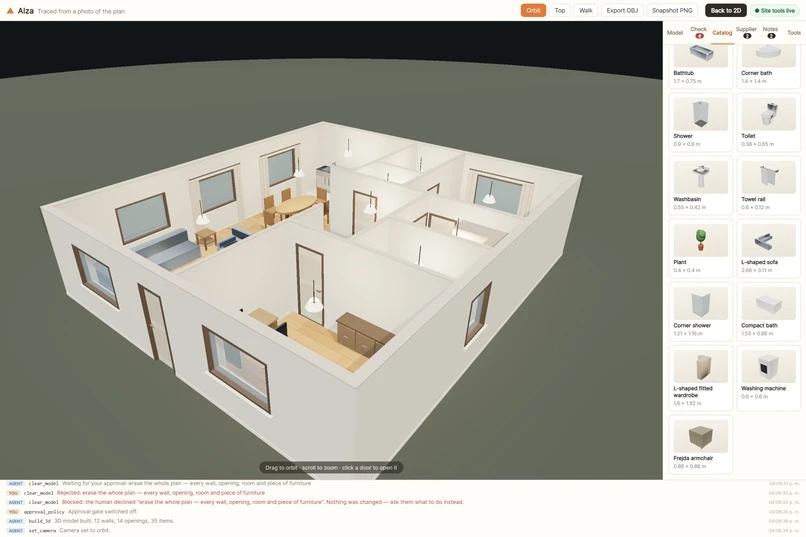
Alza(opens in a new window)
A floor-plan editor where people and agents draw, check, and furnish a shared 2D plan, then explore it in 3D.

ArchMorph(opens in a new window)
A browser-based architecture studio where people and agents design and inspect a home together through floor plans, 3D views, and walk-throughs.

Aisle(opens in a new window)
A shared wedding seating canvas where people and agents arrange guests, check seating constraints, and resolve conflicts.

Roque Nights(opens in a new window)
A night-sky planner where people and agents choose observing windows and targets, then review a shared plan on an interactive timeline.
Mandate(opens in a new window)
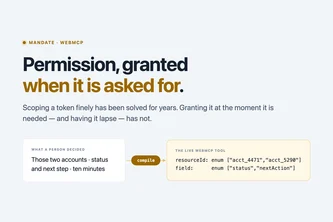
A delegation layer that lets people give agents temporary access to selected records and fields, review staged changes, and revoke access.

Observatory(opens in a new window)
A shared fantasy map editor where people and agents build terrain, rooms, and objects on an editable canvas.

Bouquet Studio(opens in a new window)
A shared bouquet editor that turns a person’s occasion, mood, and budget into flower arrangements they can see and refine with an agent.
Faraday(opens in a new window)
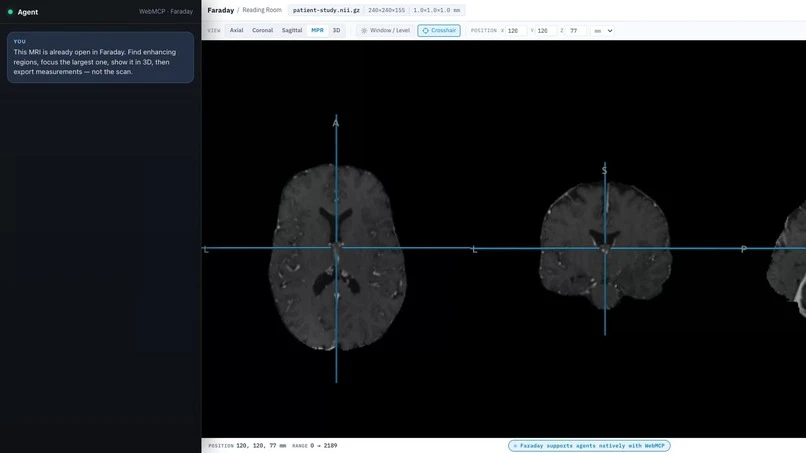
A browser-based CT and MRI viewer that lets agents navigate volumes and work with measurements while scans stay local. For research and education only, not diagnosis.
JupyterLite WebMCP(opens in a new window)
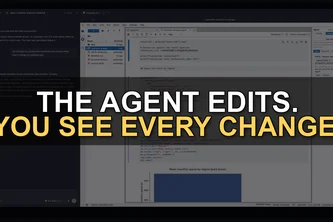
A JupyterLite extension that lets agents work with live notebook cells, selections, and the browser’s shared Python kernel, with inline review of proposed edits.
What will you build with WebMCP?
Explore a few agent-native apps from our team for inspiration, or browse the WebMCP showcase ↗(opens in a new window) for more ideas.
Meet the judges

Sarah Drasner

Andrew Galloni

Jude Gao

Ilya Grigorik

Alex Nahas

Sean Roberts